Japandi:
restraint as the whole style.
The style with the fewest decorative elements and the least room to hide a mistake.
The short answer
Japandi combines Japanese minimalism with Scandinavian warmth: handleless cabinetry in a natural timber tone or a quiet matte finish, a restrained material palette of two or three finishes at most, and almost no visible hardware or ornament. Because there is so little to distract from proportion and finish quality, this is the style that shows up flaws in either the fastest of all of them.
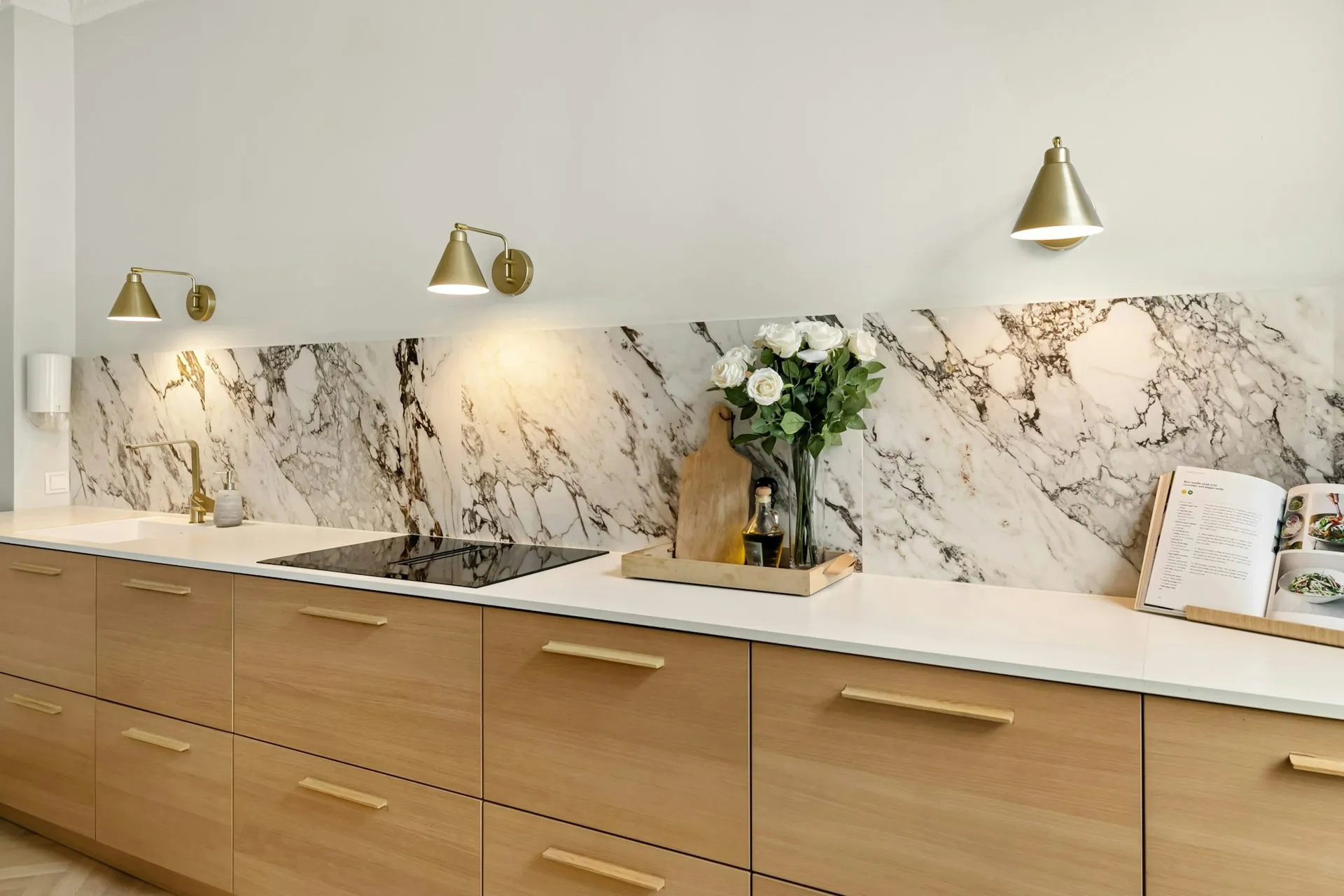
Two or three finishes, no more
A natural oak or light timber veneer, a matte stone or concrete-look benchtop, and one accent — often a warm black or a soft clay tone — is close to the full palette. Adding a fourth competing material is the single fastest way to break the calm this style depends on.
Handleless is close to mandatory
Visible hardware reads as clutter against this palette, which is why almost every genuine Japandi kitchen is handleless — a recessed rail or slimline profile rather than push-to-open hardware, which can look bulkier at the door edge than the style tolerates.
Where the craftsmanship has nowhere to hide
With almost no ornament to distract the eye, gaps between doors, an uneven reveal, or a visible edge-banding seam are far more obvious than in a busier style. This is the kitchen where laser-bonded edging and precise door alignment matter more than almost anywhere else — see what is edge banding for why the detail matters.
Kitchen styles
More in this series: Hamptons style kitchen guide · Modern farmhouse kitchen guide · Coastal kitchen design guide · Industrial style kitchen guide · Scandinavian kitchen design guide.
Frequently asked
Common questions
If your question is not here, call the studio. We would rather talk it through than have you guess.
Ask us directly →What is Japandi style?
A blend of Japanese minimalism and Scandinavian warmth — restrained materials, natural timber tones, handleless cabinetry and almost no visible ornament or hardware.
Is a Japandi kitchen hard to keep looking good?
Not to clean, but the restrained palette shows any inconsistency in finish or alignment more readily than a busier style, so installation quality matters more than usual.
What colour suits a Japandi kitchen?
Natural oak or light timber tones as the base, with a matte stone or concrete-look benchtop and a single warm accent such as black or clay — rarely more than three materials total.
Delivered assembled
The assembly is done
before it arrives.
Carcasses built square on a bench, Blum hardware fitted, doors hung and adjusted to even gaps. On site you are fixing finished cabinets to a wall, not building them on the floor. Our own team fits it in Central Queensland; your installer fits it anywhere else in Australia. Prefer to build it yourself? The same kitchen ships flat pack.
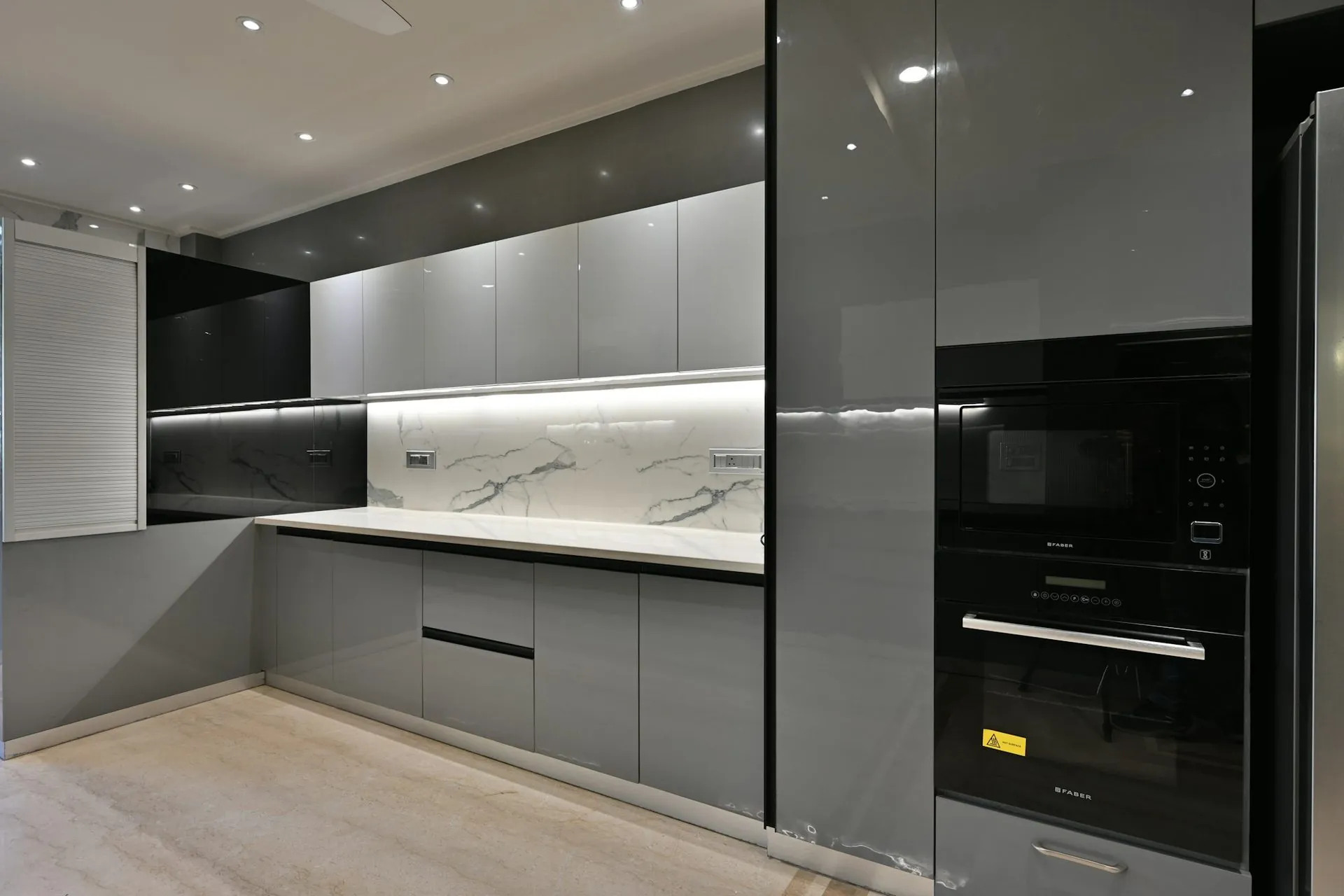
Gloss doors, adjusted to even gaps before delivery
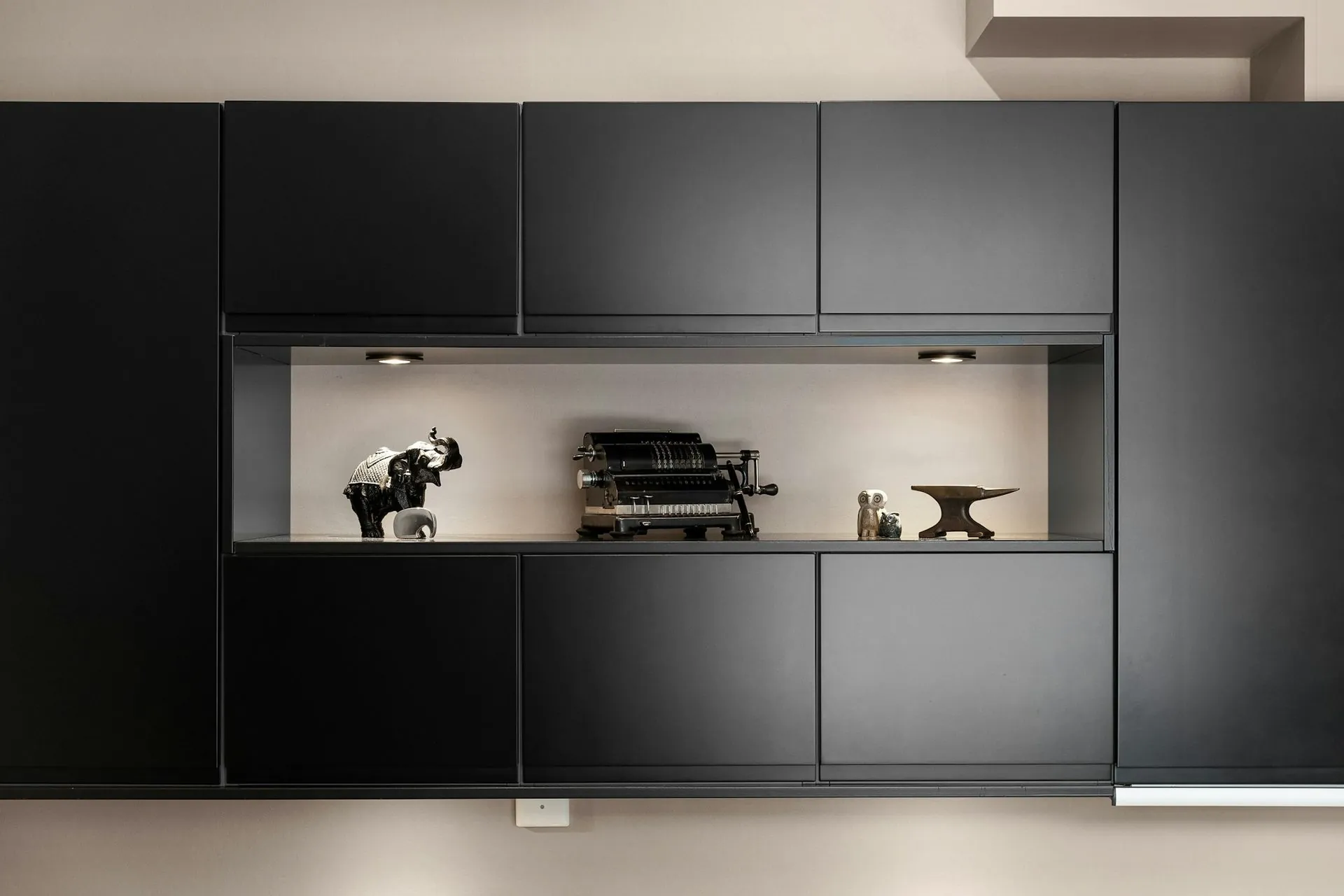
Tall units arrive as built boxes
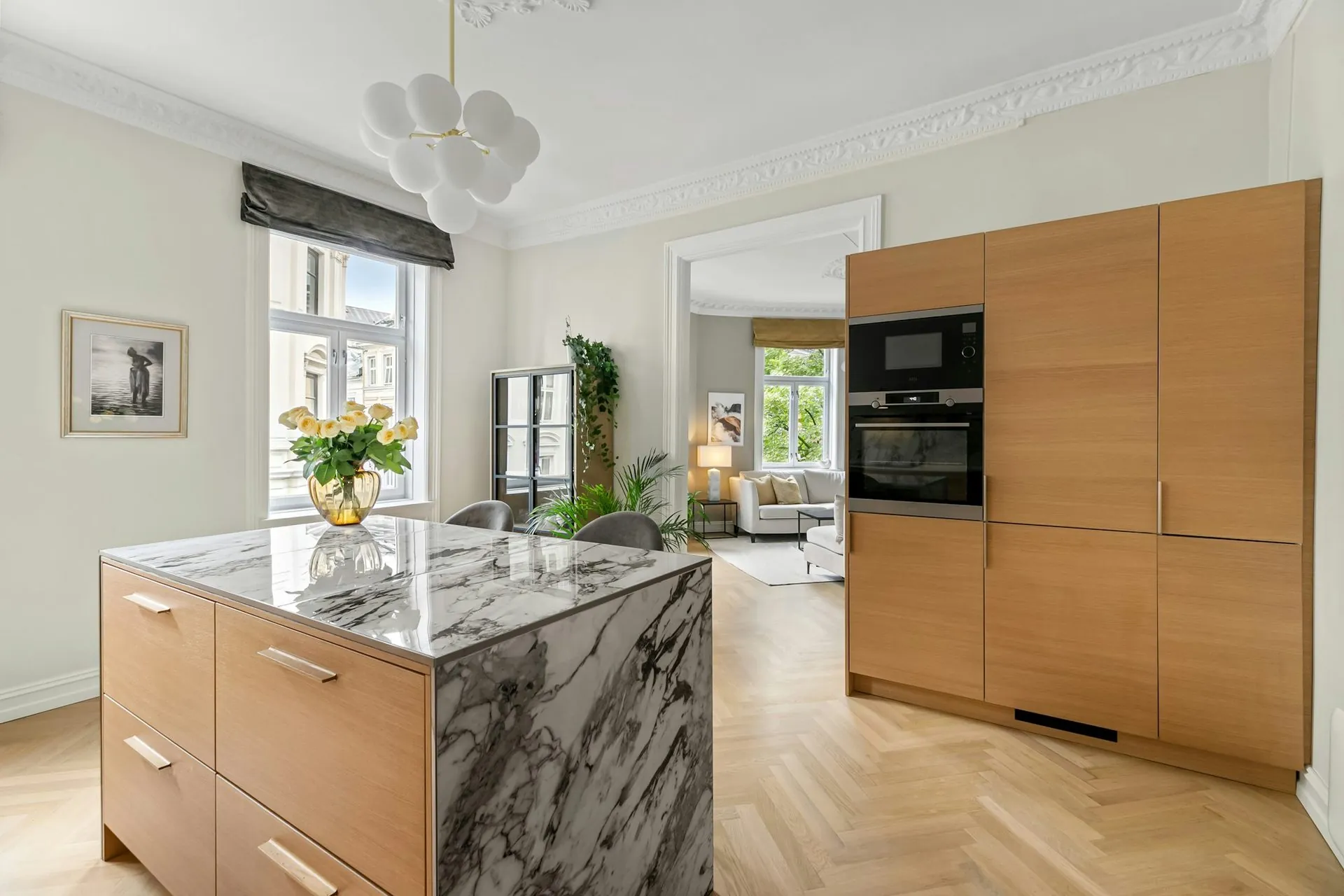
Island with seating overhang
Japandi
Fewer decisions,
each one more visible.
Send your room and we will show you the palette that suits it before a single cabinet is cut.