Two-tone kitchens,
and where to split them.
The cheapest way to make a kitchen look designed rather than bought, because a second colour costs nothing extra when the doors are made to order.
The short answer
A two-tone kitchen uses one colour on the base cabinets and another on the overheads, or a contrasting island against the main run. The convention that works is darker below and lighter above, because it grounds the room and keeps the eye up. Because our doors are made to your order rather than picked from stock, a second colour adds nothing to the price — which makes this the rare design decision that is free.
Where to put the split
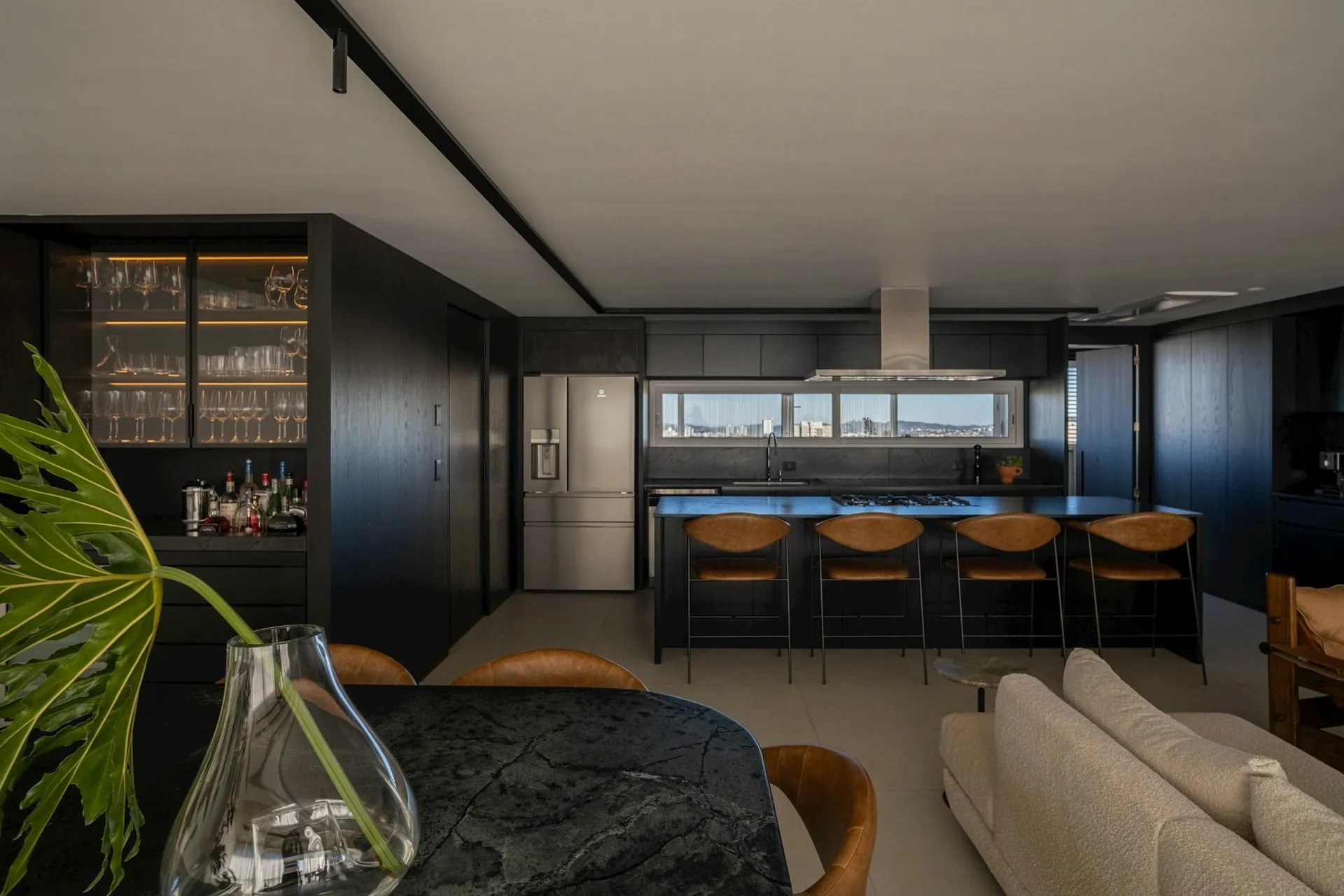
Three placements work. Base dark, overheads light is the safest and makes a small room feel taller. Island contrasting against an otherwise uniform run makes the island the feature without any other effort. Tall bank in a third colour, usually a pantry and oven tower treated as a piece of furniture. What does not work is splitting a single run horizontally at bench height, which reads as an unfinished renovation.
Combinations that hold up
Deep green or navy below with off-white above is the pairing that has aged best in Australian houses. Charcoal with warm timber works in strong light and suits coastal and hinterland houses. Two neutrals a few shades apart — bone and stone, say — gives the depth without committing to a colour you may tire of. Avoid two strong colours of similar weight; they compete rather than contrast.
Australian light is not European light
A colour chosen from a European kitchen photograph will read lighter and harsher here, because our light is stronger and bluer. Dark colours hold up better in Australian light than they do in Northern Hemisphere interiors, which is why deep greens and navies work so well in Queensland houses and why mid-greys often look flat.
What it costs
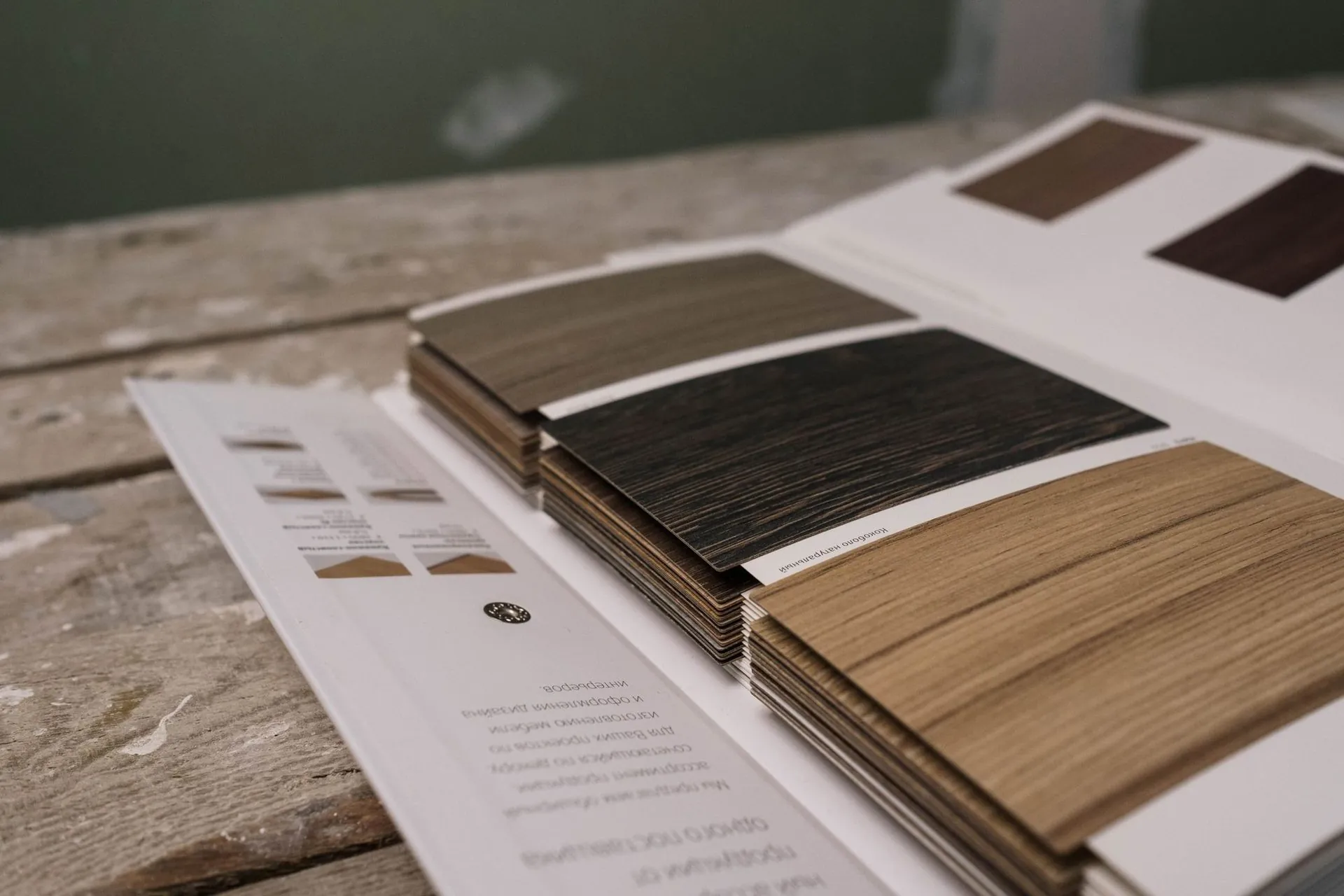
Nothing extra. Doors are made to your order, so two colours is the same price as one. Decide on real samples in the actual room rather than on a screen — ask for samples and look at them morning and afternoon before committing.
Kitchen styles
More in this series: Hamptons style kitchen guide · Modern farmhouse kitchen guide · Japandi kitchen design guide · Coastal kitchen design guide · Industrial style kitchen guide · Scandinavian kitchen design guide · Shaker · Contemporary · Country · French provincial · Classic · Federation · Victorian · Art Deco · Mediterranean · Cottage · Transitional.
Frequently asked
Common questions
If your question is not here, call the studio. We would rather talk it through than have you guess.
Ask us directly →Does a two-tone kitchen cost more?
Not with made-to-order doors. A second colour is the same price as one, which makes it the cheapest way to add depth.
Where should the darker colour go?
Usually on the base cabinets. Dark below and light above grounds the room and keeps the ceiling feeling high.
What two-tone combinations work best?
Deep green or navy with off-white has aged best here. Charcoal with warm timber suits strong coastal light. Two neutrals a few shades apart is the low-risk version.
Can I two-tone a small kitchen?
Yes, and it often helps. Darker bases and lighter overheads make a small room read taller.
Delivered assembled
The assembly is done
before it arrives.
Carcasses built square on a bench, Blum hardware fitted, doors hung and adjusted to even gaps. On site you are fixing finished cabinets to a wall, not building them on the floor. Our own team fits it in Central Queensland; your installer fits it anywhere else in Australia. Prefer to build it yourself? The same kitchen ships flat pack.
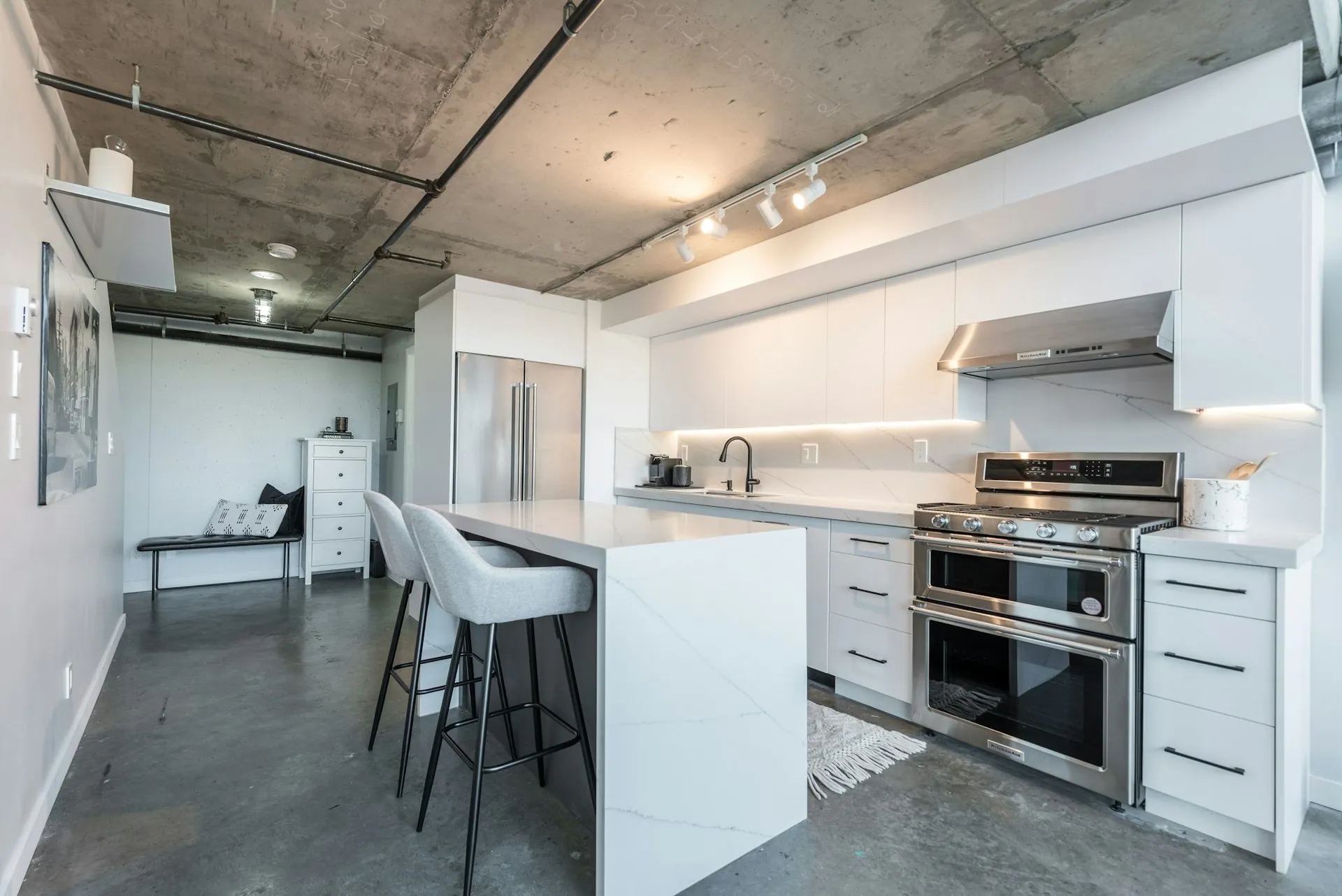
Concrete-look doors, matte black hardware
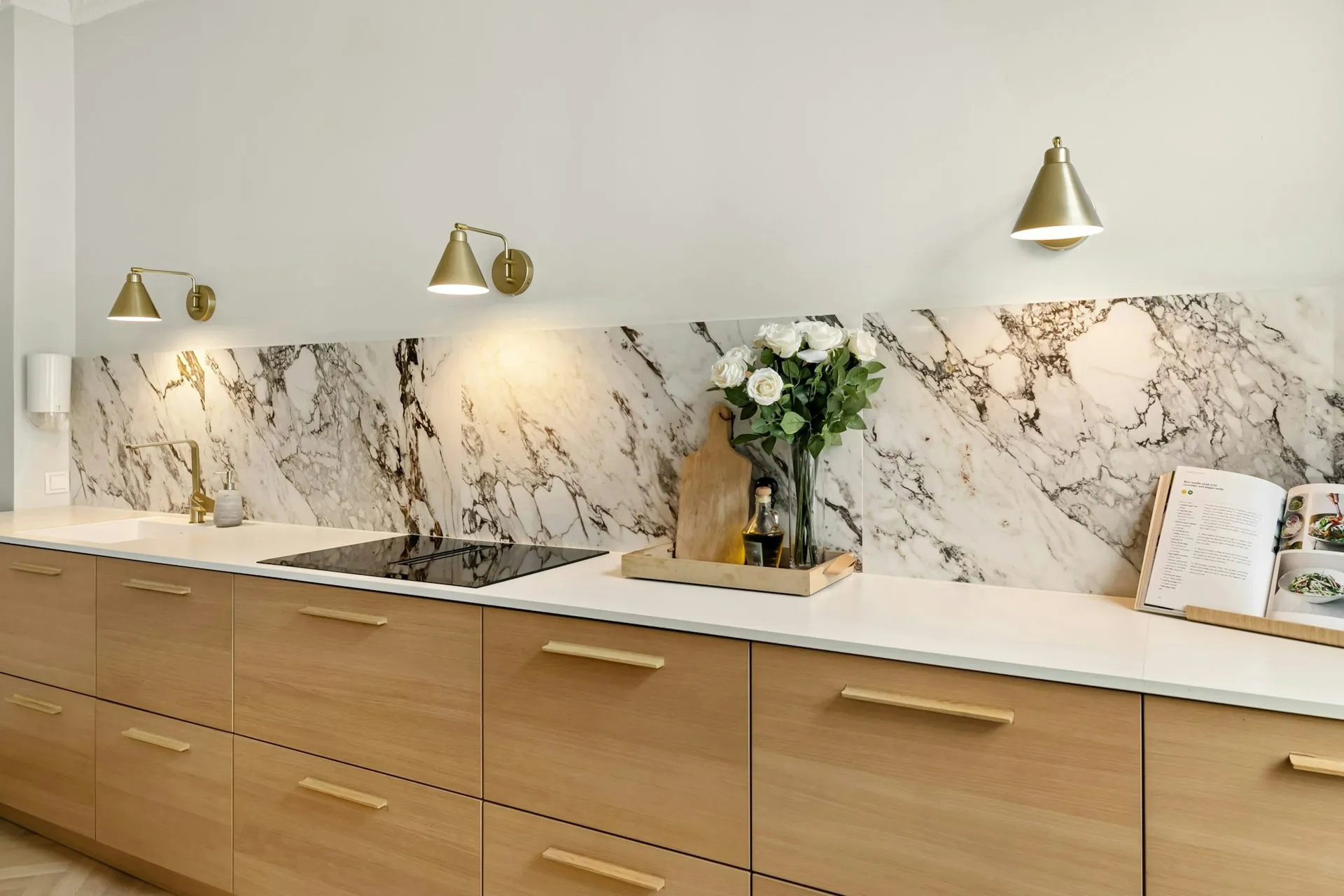
Oak run, doors hung and adjusted before delivery
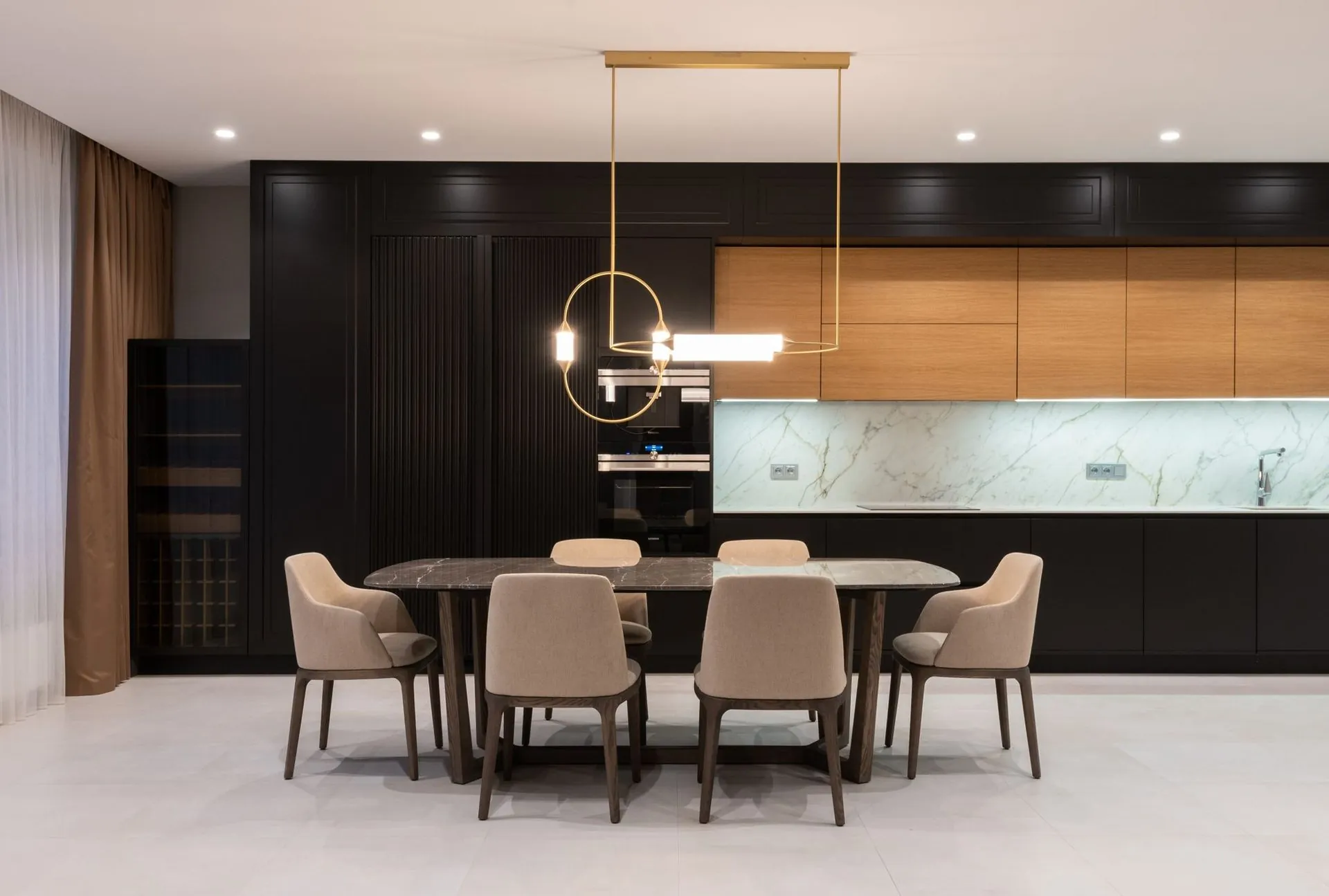
Kitchen into dining, one palette
Your style
Send us the dimensions.
We will draw it your way.
A fixed, itemised quote drawn to your room in the style you want, flat packed or delivered assembled.