Mediterranean kitchens,
warmth without the terracotta.
The Tuscan kitchen of twenty years ago gave this style a reputation it is still recovering from. The current version is far quieter.
The short answer
A Mediterranean kitchen draws on southern European interiors: warm earth tones, textured and plastered finishes, arches, timber, and a strong preference for natural material over anything glossy. In Australia it suits strong light and open plans, and it has recently been rebuilt around texture rather than colour. The 2000s Tuscan kitchen — terracotta, heavy ornate timber, faux render — is a different thing and is what most people are reacting against.
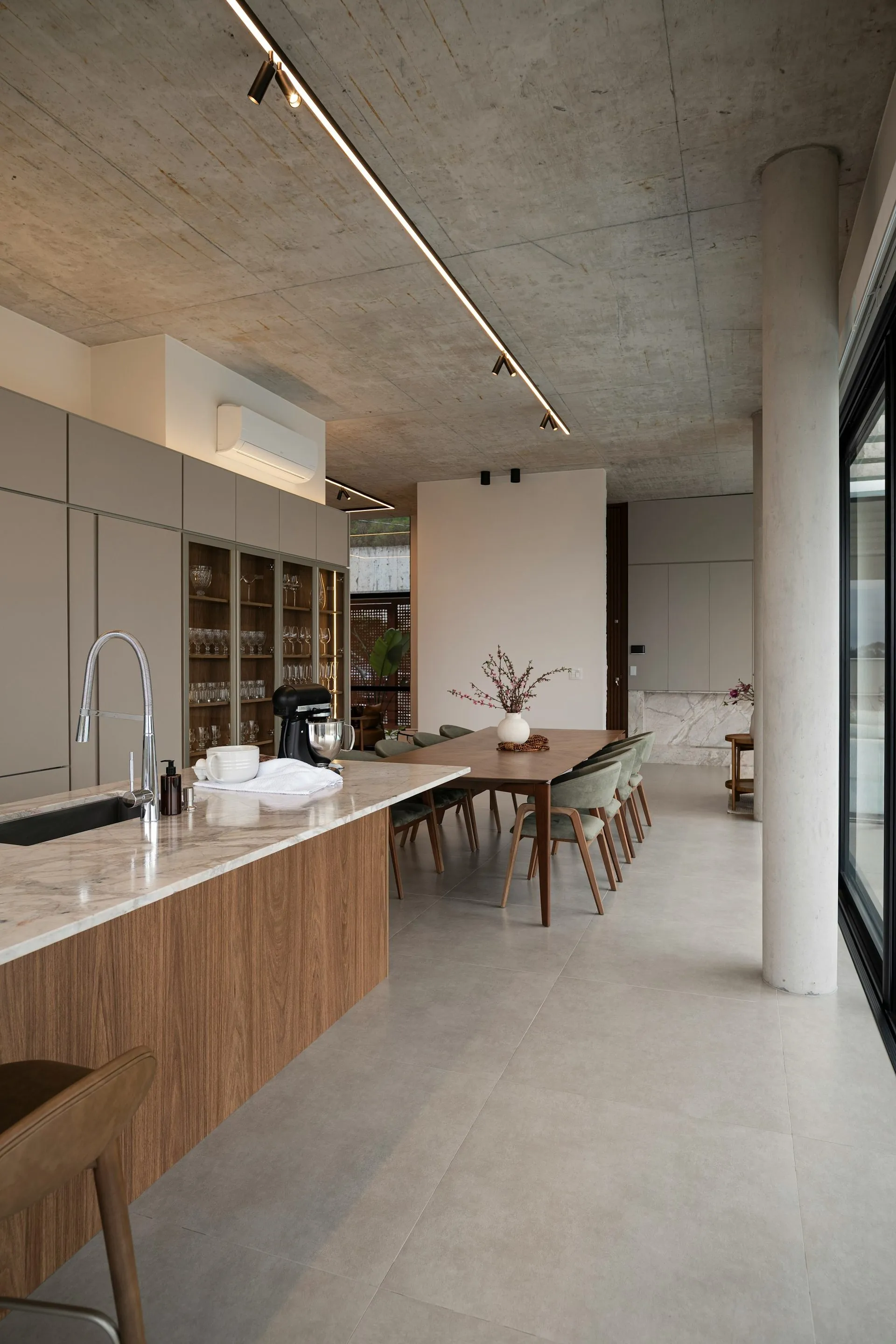
Texture does the work now
The current Mediterranean kitchen is defined by surface rather than colour: microcement or plaster finishes, honed rather than polished stone, matte timber, and an arch somewhere if the room allows. Where the Tuscan version added colour and ornament, this one removes shine. It is why it photographs so well in Australian light, which is harsh on gloss.
The palette
Warm neutrals — bone, sand, clay, olive — with timber and natural stone. One deep accent at most. The distinguishing feature from a coastal kitchen is temperature: coastal runs cool and blue-leaning, Mediterranean runs warm and earth-leaning, with the same restraint.
Where arches belong, and where they do not
An arched opening into a butler’s pantry or a shaped niche in a splashback carries the style with one gesture. Arched cabinet doors do not — they read as the 2000s version almost immediately. Keep arches architectural, in the room rather than in the cabinetry.
What it costs
The style itself adds nothing; the finishes can. Honed natural stone is the dearest benchtop option and the most correct one here. The cost page shows the benchtop upgrade against each collection. 18mm moisture-resistant board, laser-bonded edging and Blum hardware on every collection.
Kitchen styles
More in this series: Hamptons style kitchen guide · Modern farmhouse kitchen guide · Japandi kitchen design guide · Coastal kitchen design guide · Industrial style kitchen guide · Scandinavian kitchen design guide · Shaker · Two-tone · Contemporary · Country · French provincial · Classic · Federation · Victorian · Art Deco · Cottage · Transitional.
Frequently asked
Common questions
If your question is not here, call the studio. We would rather talk it through than have you guess.
Ask us directly →What is a Mediterranean kitchen?
One drawing on southern European interiors: warm earth tones, textured plaster and timber finishes, honed stone, arches, and natural material over gloss.
Is a Tuscan kitchen the same thing?
The 2000s Tuscan kitchen — terracotta, heavy ornate timber, faux render — is a specific dated version of it. The current style is built on texture rather than colour and ornament.
What is the difference between Mediterranean and coastal?
Temperature. Coastal runs cool and blue-leaning; Mediterranean runs warm and earth-leaning. The restraint is similar.
Should I use arched cabinet doors?
No. Arches belong in the architecture — an opening or a niche. Arched doors read as the dated version straight away.
Delivered assembled
The assembly is done
before it arrives.
Carcasses built square on a bench, Blum hardware fitted, doors hung and adjusted to even gaps. On site you are fixing finished cabinets to a wall, not building them on the floor. Our own team fits it in Central Queensland; your installer fits it anywhere else in Australia. Prefer to build it yourself? The same kitchen ships flat pack.
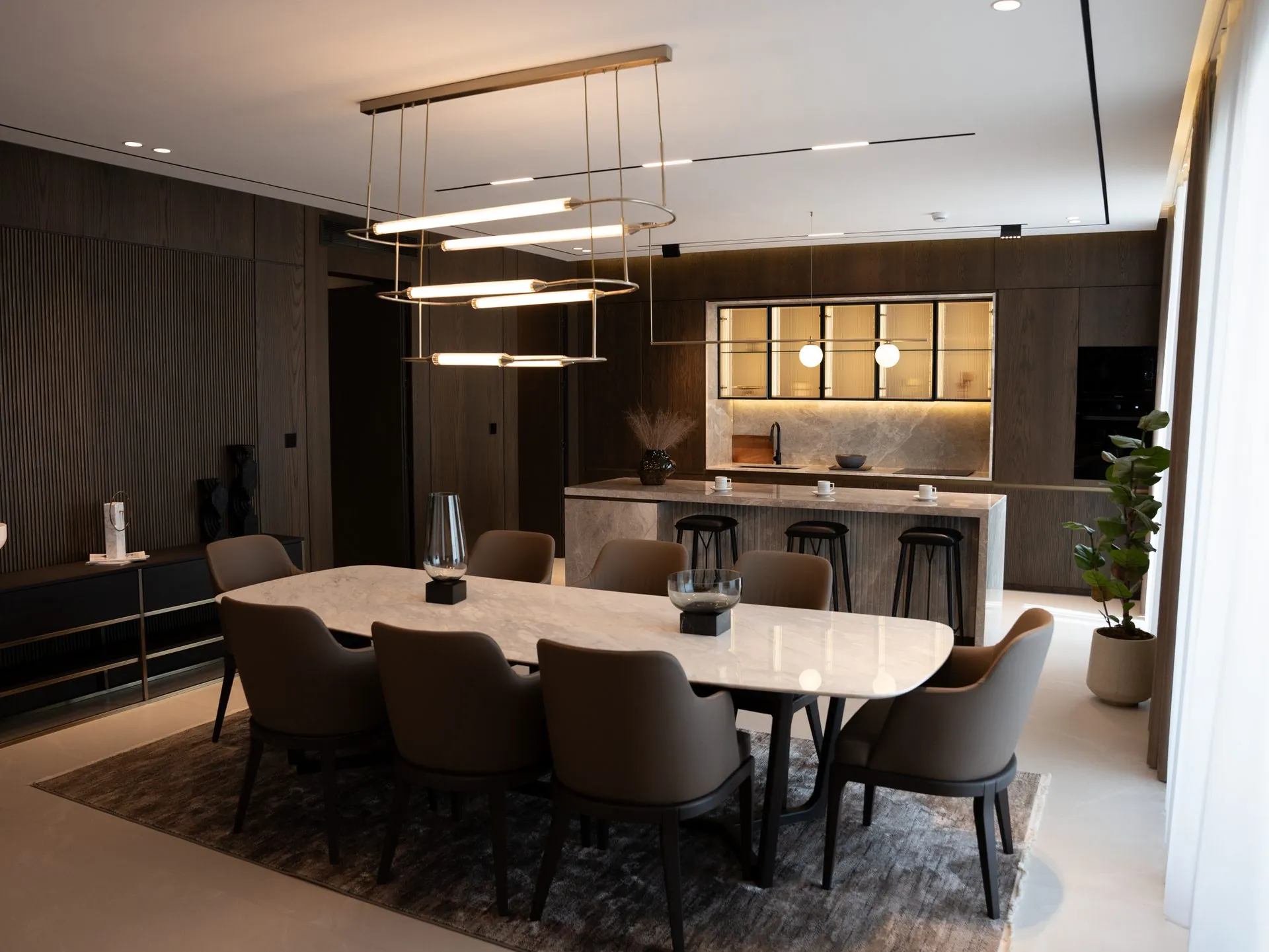
Full-height joinery, fitted in days
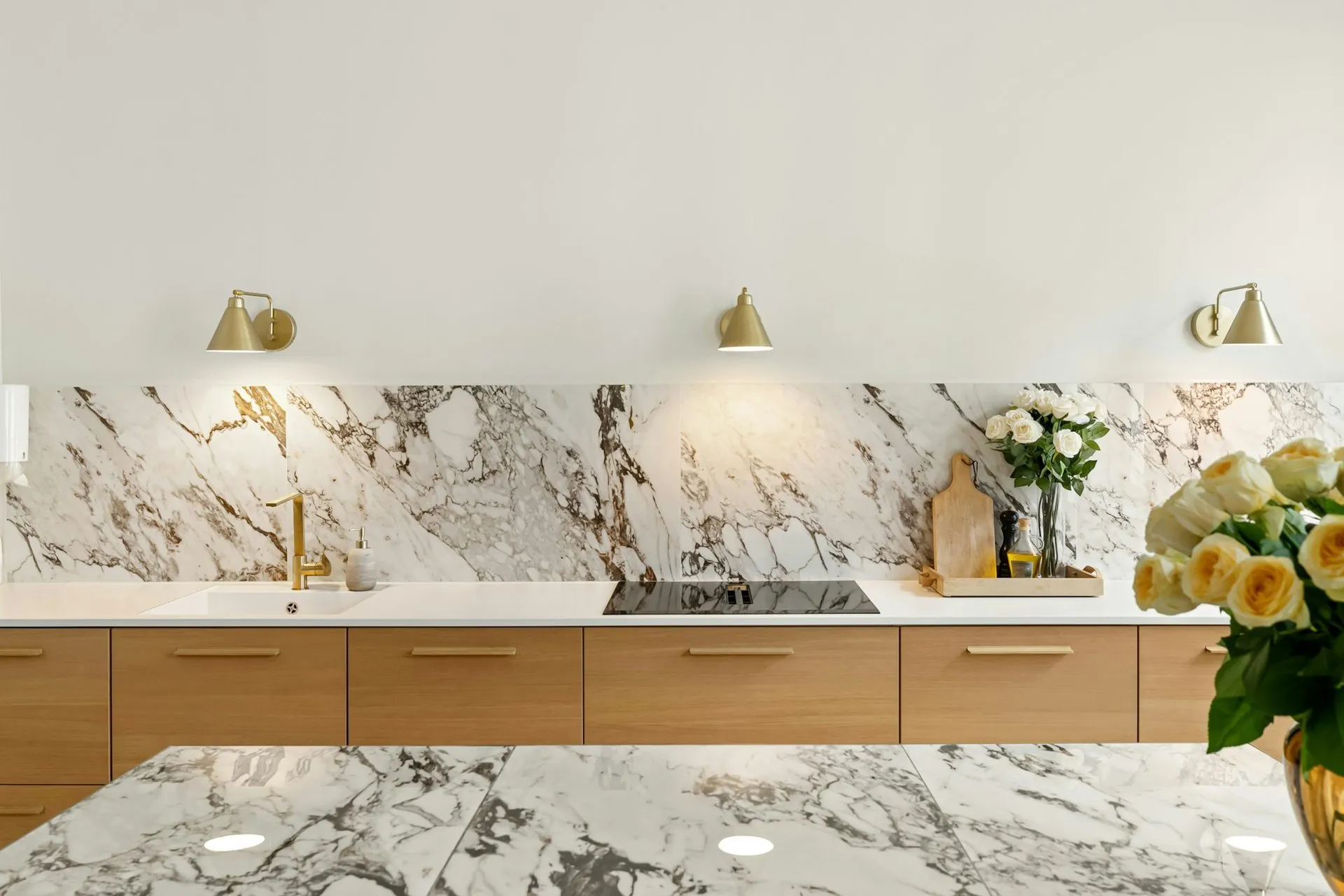
Handleless rail on an assembled run
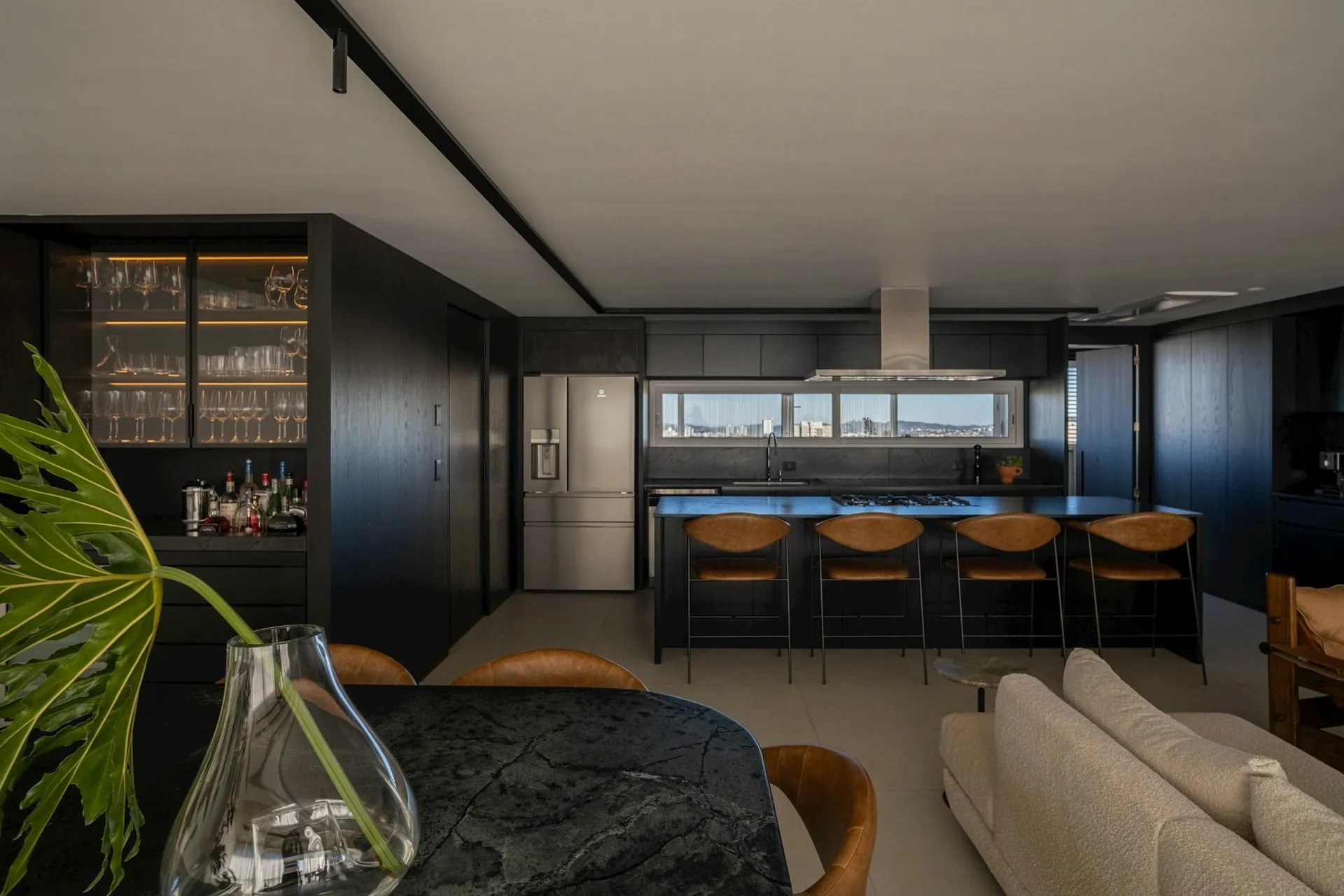
Navy cabinetry, open-plan island
Your style
Send us the dimensions.
We will draw it your way.
A fixed, itemised quote drawn to your room in the style you want, flat packed or delivered assembled.