Real timber skin,
or a very good photograph of one.
Both can look like timber from across the room. Only one of them is.
The short answer
A timber veneer door has a thin, genuine timber skin bonded to a board substrate, so the grain, colour variation and texture are real timber, not a printed image — it can be lightly sanded and re-finished, and it ages and takes light the way real timber does. A timber-look laminate door is a printed decorative sheet that mimics timber grain, generally more affordable and extremely consistent, but visually and texturally distinguishable up close from real veneer.
What each actually is
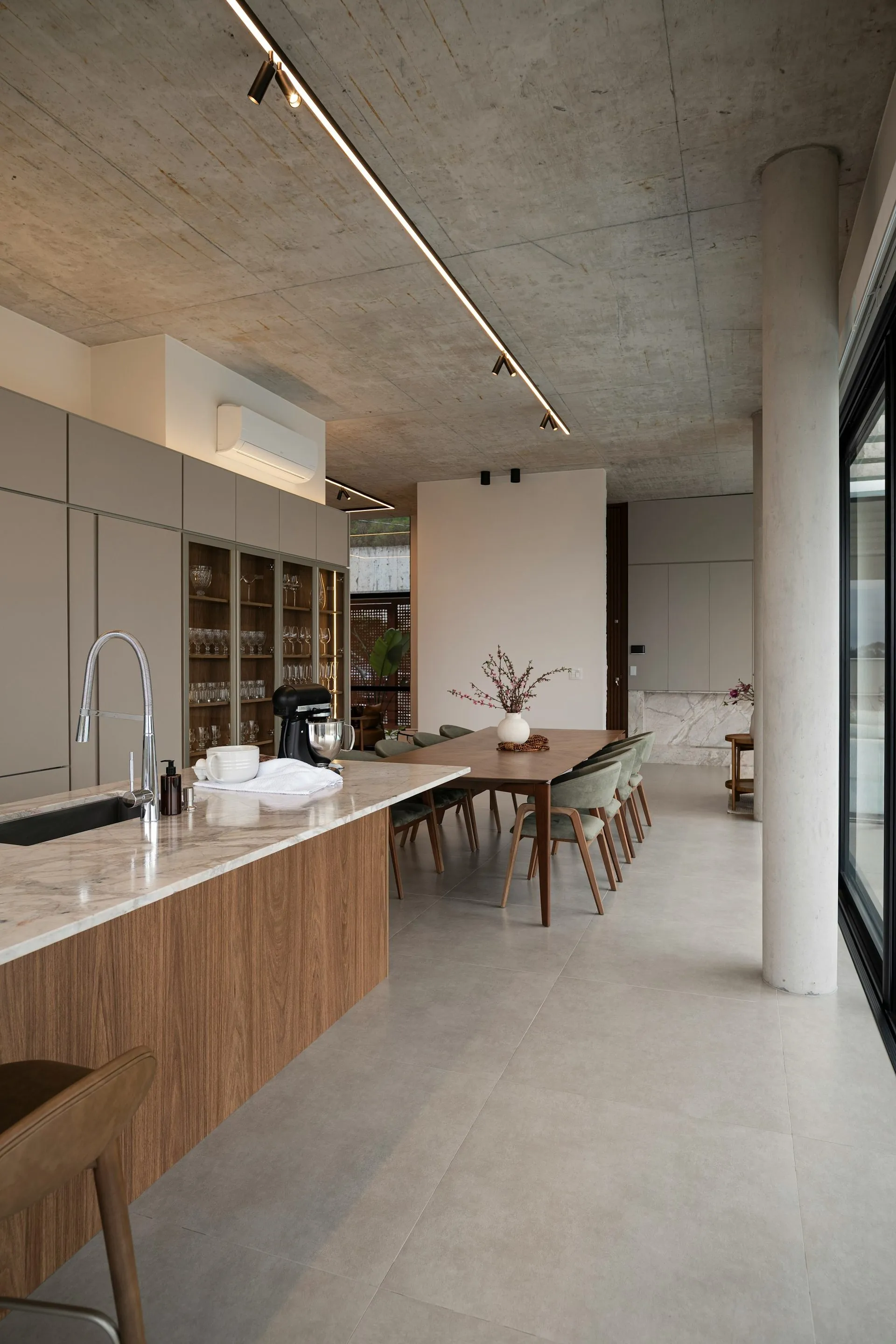
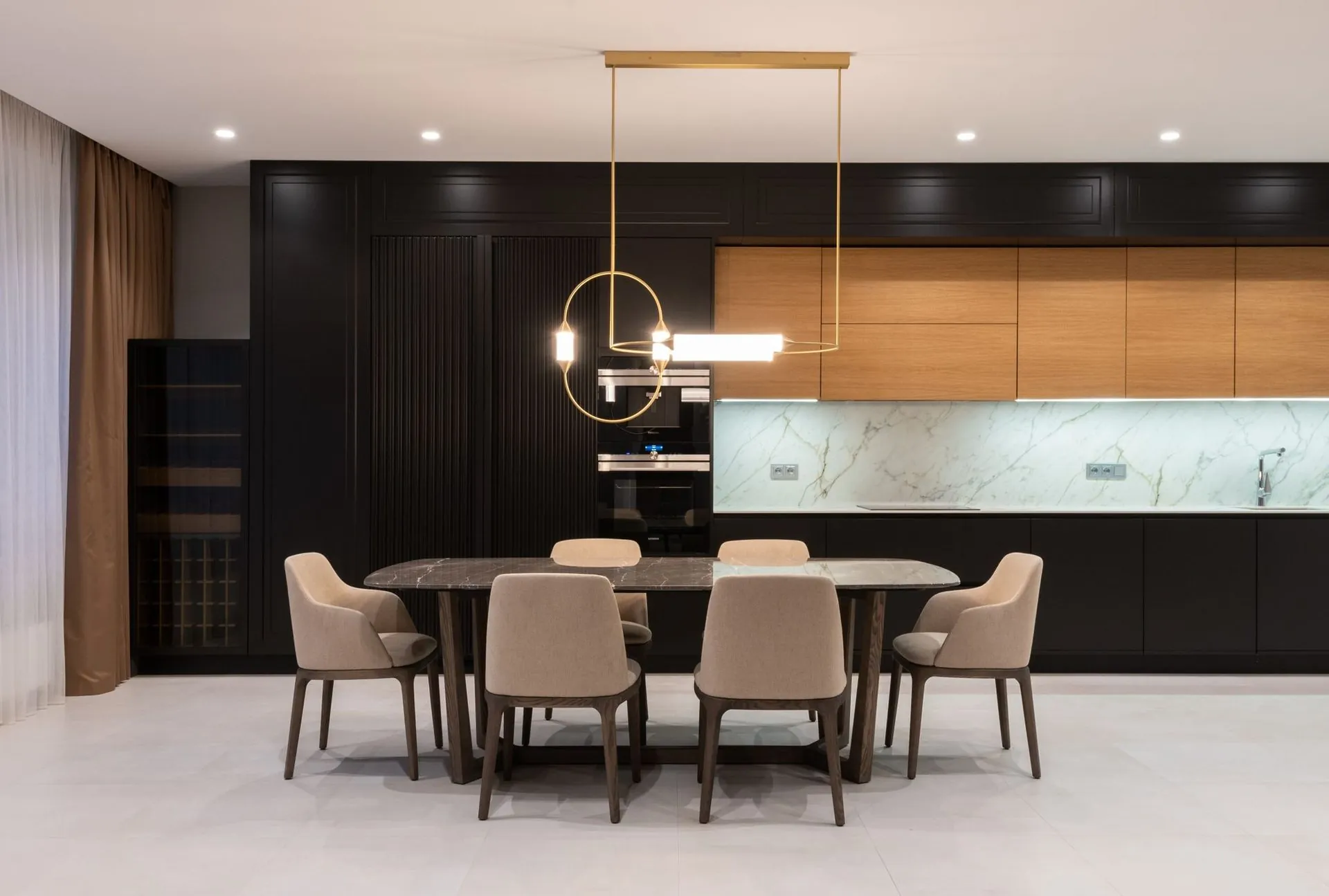
Veneer is a thin slice of real timber, typically American oak or similar, bonded over MDF or particleboard — the surface you touch and see is genuine wood. A timber-look laminate is a photographic print of timber grain applied as a decorative laminate sheet — consistent, affordable, but a reproduction rather than the material itself.
How they age differently
Veneer, being real timber, responds to light exposure over years the way solid timber does, developing subtle tonal changes, and can be lightly sanded back and re-oiled or re-finished if it shows wear. Laminate does not change with light exposure and cannot be sanded or refinished — damage generally means replacing the door.
Cost and consistency trade-off
Laminate is generally more affordable and perfectly consistent from door to door, since it is a controlled print process. Veneer costs more and has natural grain variation between doors — a feature for some households, an inconsistency for others expecting uniformity.
Materials & hardware guides
More in this series: Engineered stone benchtop care · Is a porcelain benchtop worth it? · Timber benchtop pros and cons · Blum Legrabox explained · Handleless kitchen hardware guide · Brass vs matte black hardware · 2-pack vs laminate kitchen doors · Matte vs gloss kitchen doors · 18mm vs 16mm cabinet board · MDF vs particleboard cabinets · Kitchen sink materials compared · Induction vs gas cooktop · Rangehood types explained.
Frequently asked
Common questions
If your question is not here, call the studio. We would rather talk it through than have you guess.
Ask us directly →Can you tell timber veneer from laminate up close?
Generally yes, on close inspection — veneer has the texture, grain irregularity and colour depth of real timber, while laminate is a flat, consistent print. From a normal viewing distance the difference is less obvious, particularly with a high-quality laminate.
Is timber veneer more expensive than laminate?
Yes, generally — real timber material and the bonding process cost more than a printed decorative laminate sheet.
Does timber veneer need more maintenance than laminate?
A little — it benefits from being kept out of constant direct moisture and can be periodically refreshed, whereas laminate needs essentially no special care beyond normal cleaning.
Can timber veneer be repaired if scratched?
Often, with light sanding and refinishing of the affected area, which is not possible with a laminate door — a genuine advantage of veneer for a kitchen expected to last many years.
Delivered assembled
The assembly is done
before it arrives.
Carcasses built square on a bench, Blum hardware fitted, doors hung and adjusted to even gaps. On site you are fixing finished cabinets to a wall, not building them on the floor. Our own team fits it in Central Queensland; your installer fits it anywhere else in Australia. Prefer to build it yourself? The same kitchen ships flat pack.
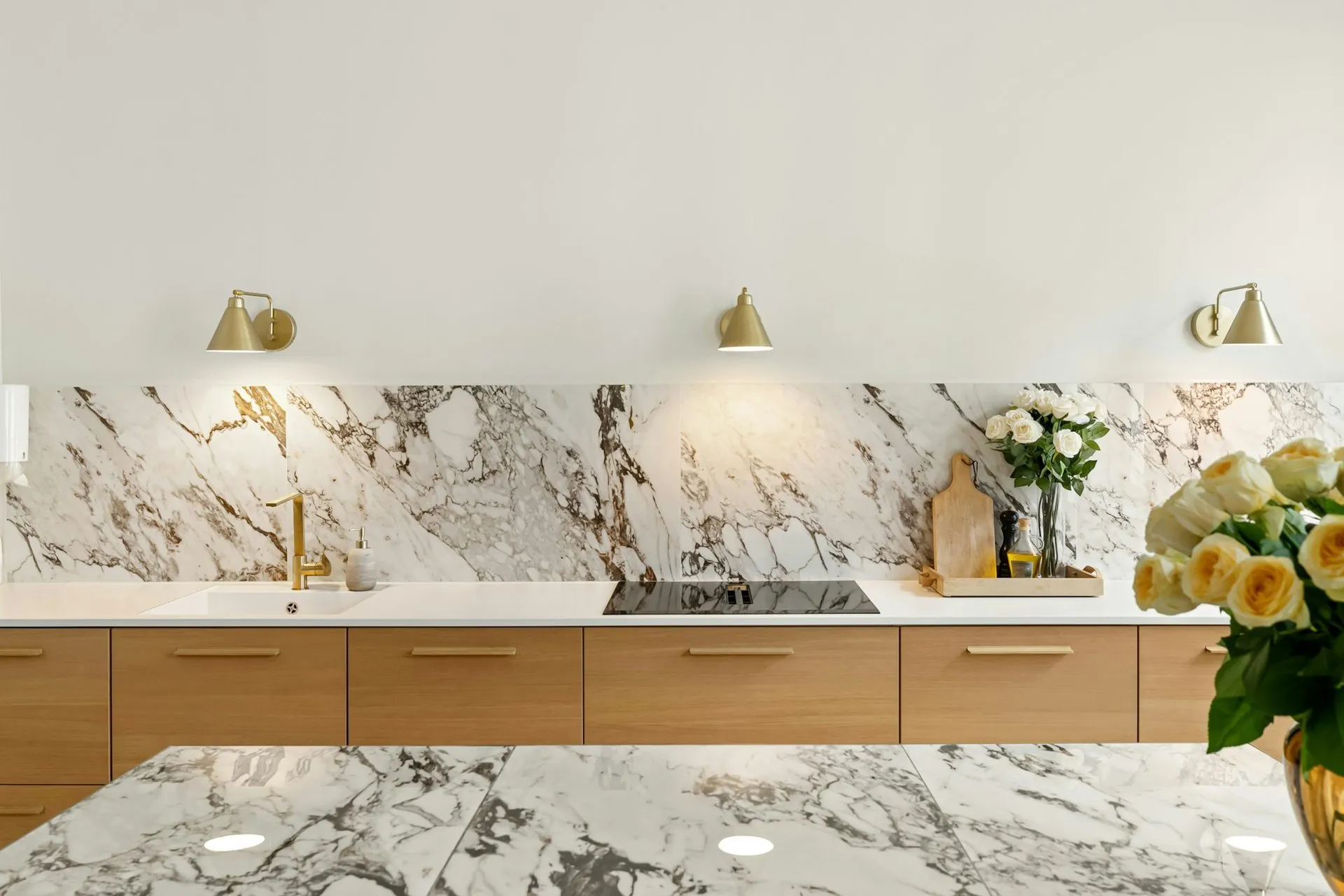
Handleless rail on an assembled run
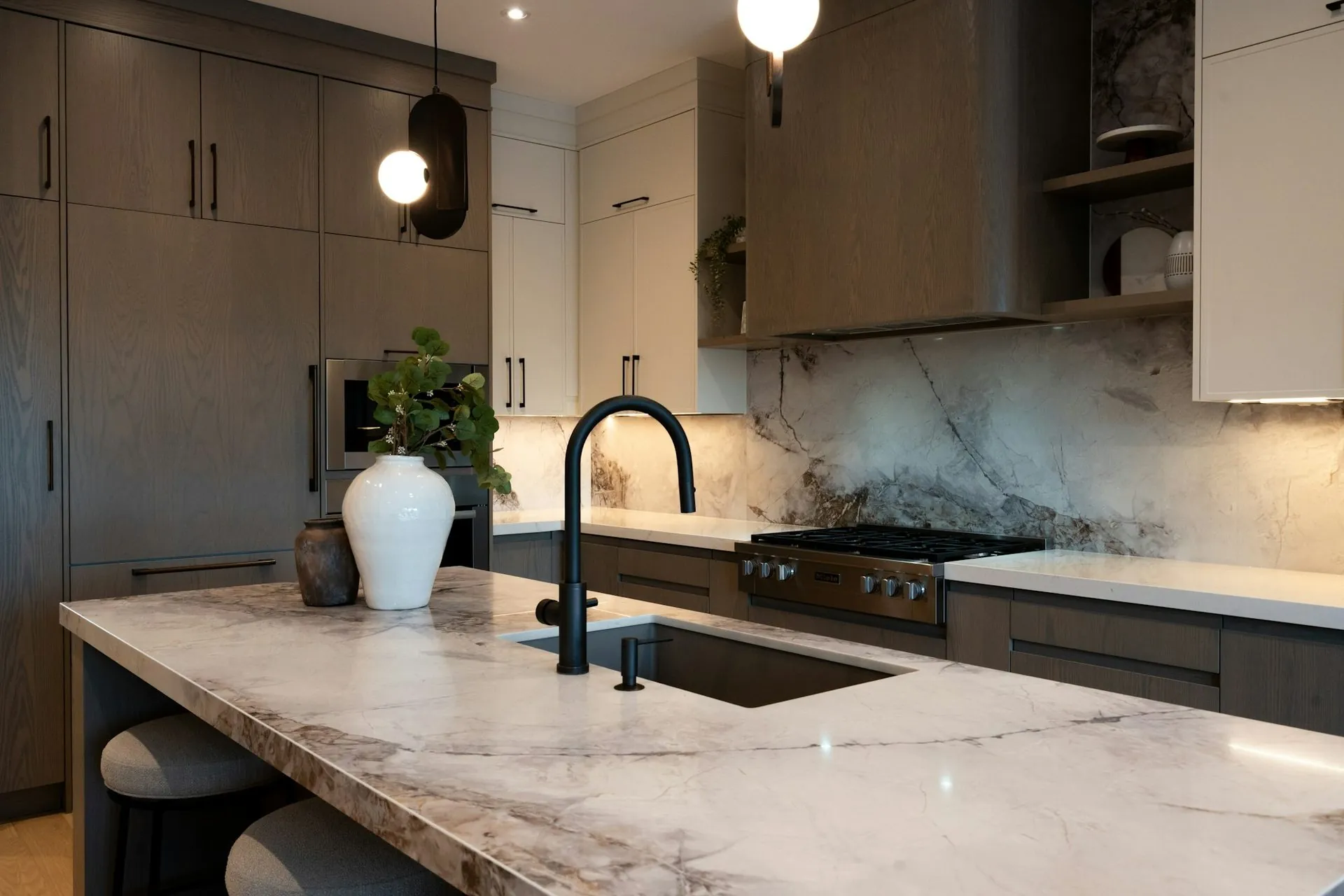
Mitred stone edge over assembled carcasses
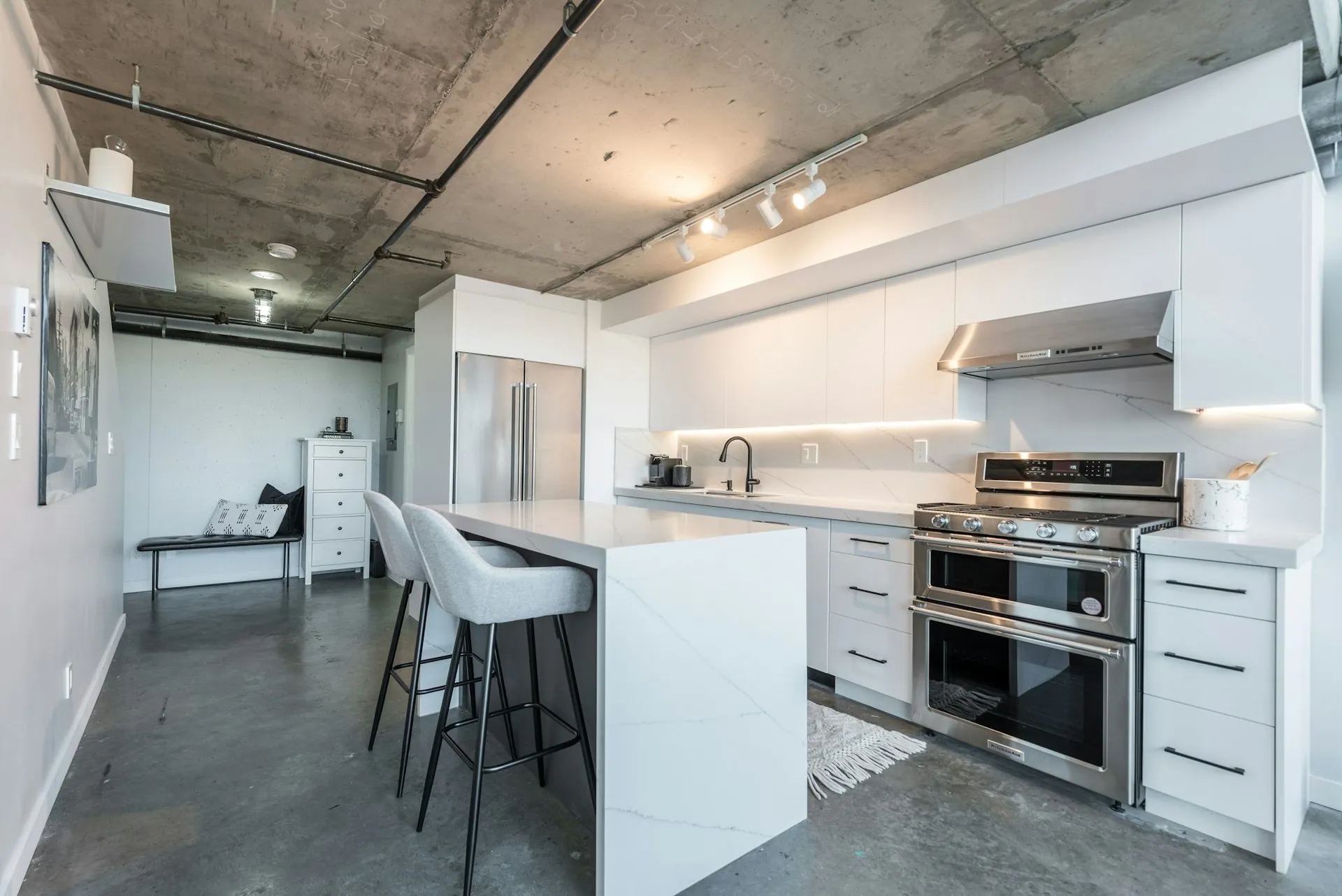
Concrete-look doors, matte black hardware
Put it to use
Reading is one thing.
Your room is another.
Send us your dimensions and we will tell you what actually works in your space — and what it costs. Free, fixed, and yours to keep either way.