Timber benchtops:
the honest maintenance picture.
Nothing looks warmer against timber cabinetry. Nothing needs more upkeep than stone, either.
The short answer
A timber benchtop brings warmth and a natural material quality that stone cannot replicate, and ages with visible character rather than staying static — for some households that is exactly the appeal. Against that, it needs periodic oiling or sealing, is more vulnerable to water marks and heat than stone, and is best kept away from a sink zone unless meticulously maintained.
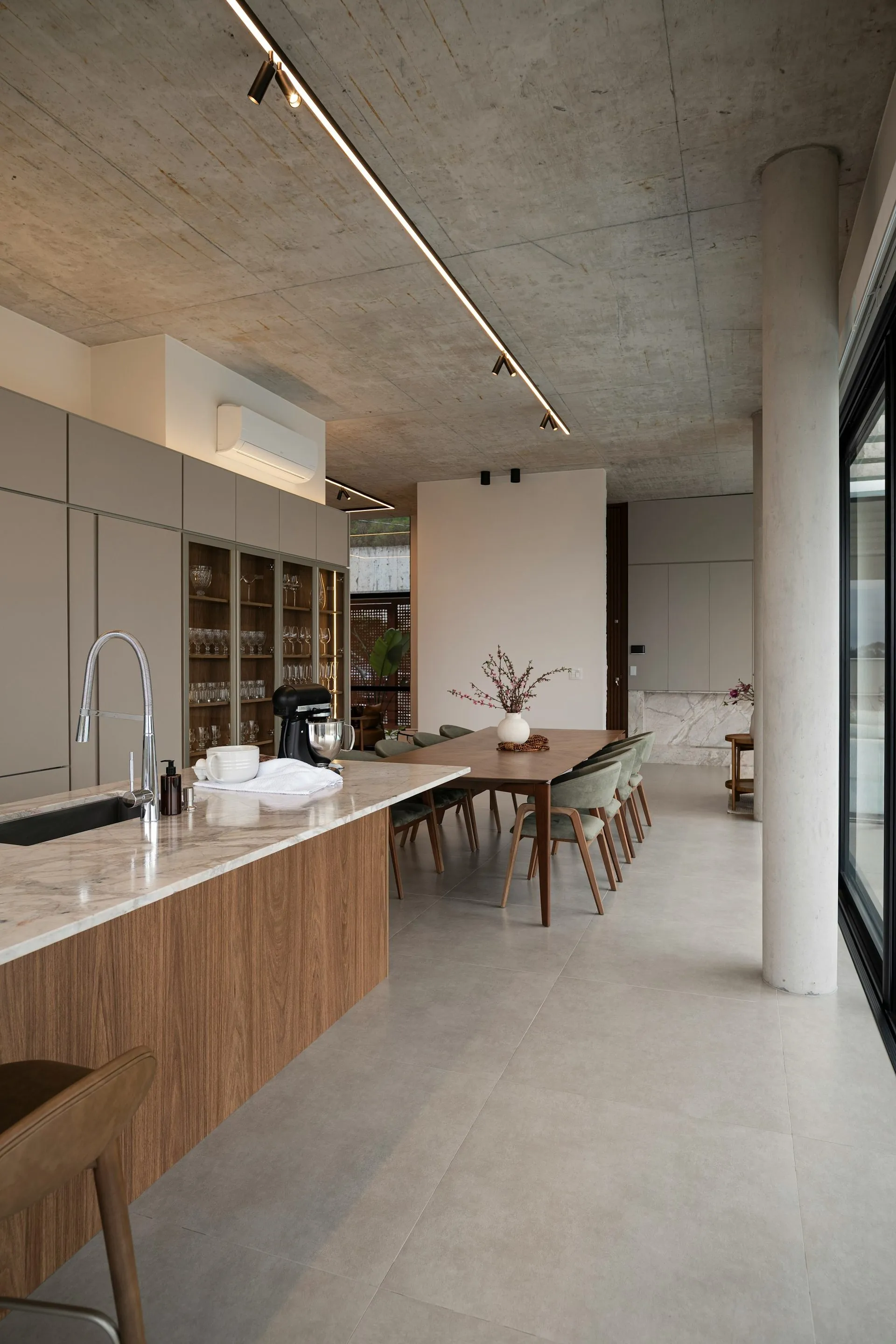
Where it works best
An island used more for gathering than heavy food prep, a breakfast bar, or a single feature run away from the sink and cooktop are where timber earns its keep without the maintenance becoming a chronic issue — see what is a waterfall benchtop edge for how a timber island can be detailed to feel considered.
What the maintenance actually involves
Periodic oiling — typically every few months to a year depending on the finish and use — keeps timber sealed against water and staining. Skip it and the timber dries out, marks more easily, and can eventually crack or cup at high-use areas near water.
Where it genuinely struggles
Direct sink and cooktop zones are the hardest use case for timber — constant water exposure and heat are exactly what it tolerates least well compared with stone or porcelain. Many kitchens that use timber successfully keep it to an island or a section away from both.
Materials & hardware guides
More in this series: Engineered stone benchtop care · Is a porcelain benchtop worth it? · Blum Legrabox explained · Handleless kitchen hardware guide · Brass vs matte black hardware · 2-pack vs laminate kitchen doors · Matte vs gloss kitchen doors · Timber veneer vs laminate doors · 18mm vs 16mm cabinet board · MDF vs particleboard cabinets · Kitchen sink materials compared · Induction vs gas cooktop · Rangehood types explained.
Frequently asked
Common questions
If your question is not here, call the studio. We would rather talk it through than have you guess.
Ask us directly →Does a timber benchtop need much maintenance?
More than stone — periodic oiling or resealing, typically every few months to a year, is needed to keep it protected from water and staining.
Can a timber benchtop go near a sink?
It can, with diligent maintenance, but it is more vulnerable to water damage there than anywhere else in the kitchen. Many kitchens keep timber to an island or a zone away from the sink.
Does timber scratch and mark easily?
More readily than engineered stone or porcelain, though scratches and marks are often part of the material's appeal, ageing into a patina rather than looking like damage.
Can timber and stone be combined in one kitchen?
Yes, and it is a common approach — stone on the perimeter bench where water and heat exposure is highest, timber on an island or a feature section where it is better protected.
Delivered assembled
The assembly is done
before it arrives.
Carcasses built square on a bench, Blum hardware fitted, doors hung and adjusted to even gaps. On site you are fixing finished cabinets to a wall, not building them on the floor. Our own team fits it in Central Queensland; your installer fits it anywhere else in Australia. Prefer to build it yourself? The same kitchen ships flat pack.
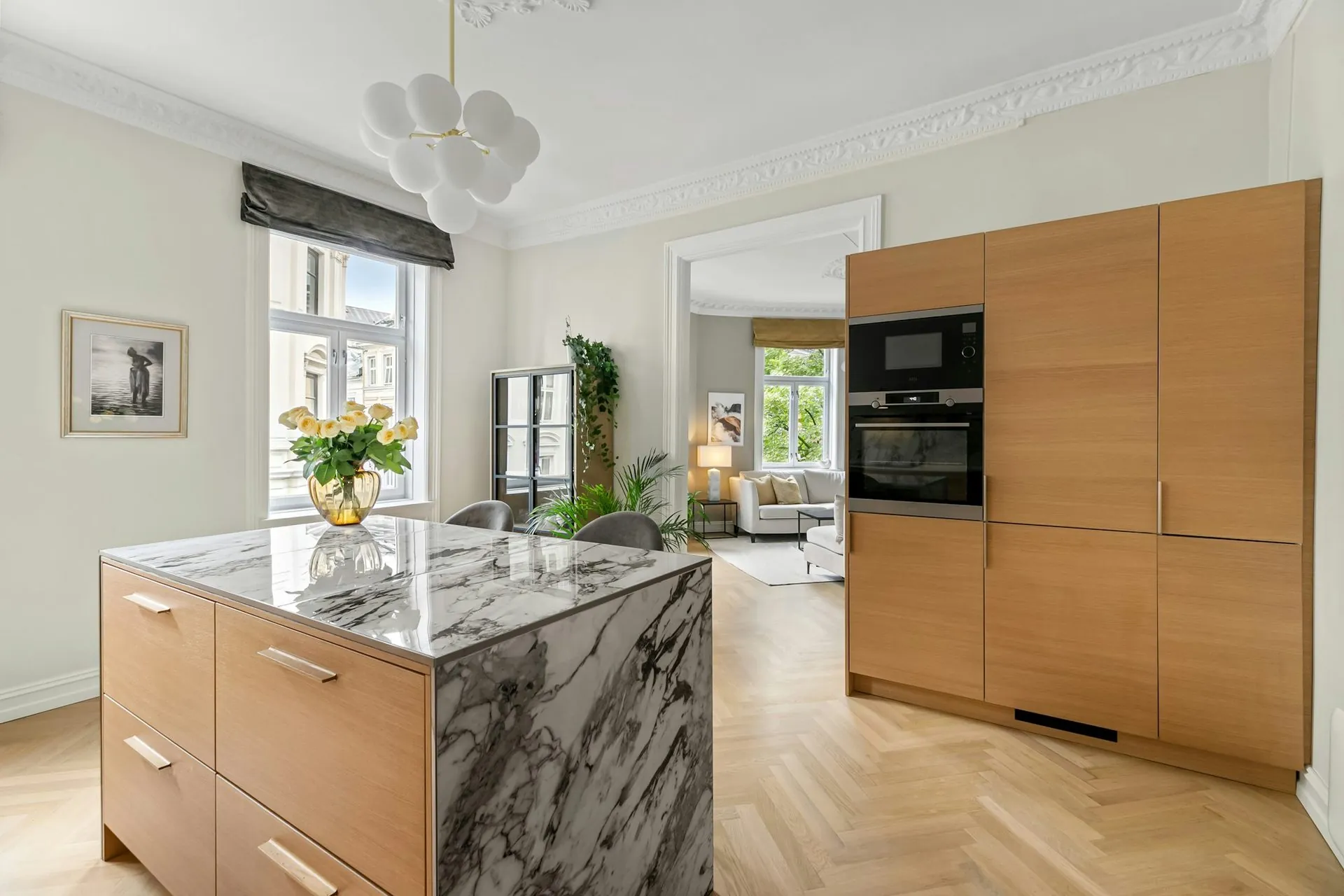
Island with seating overhang
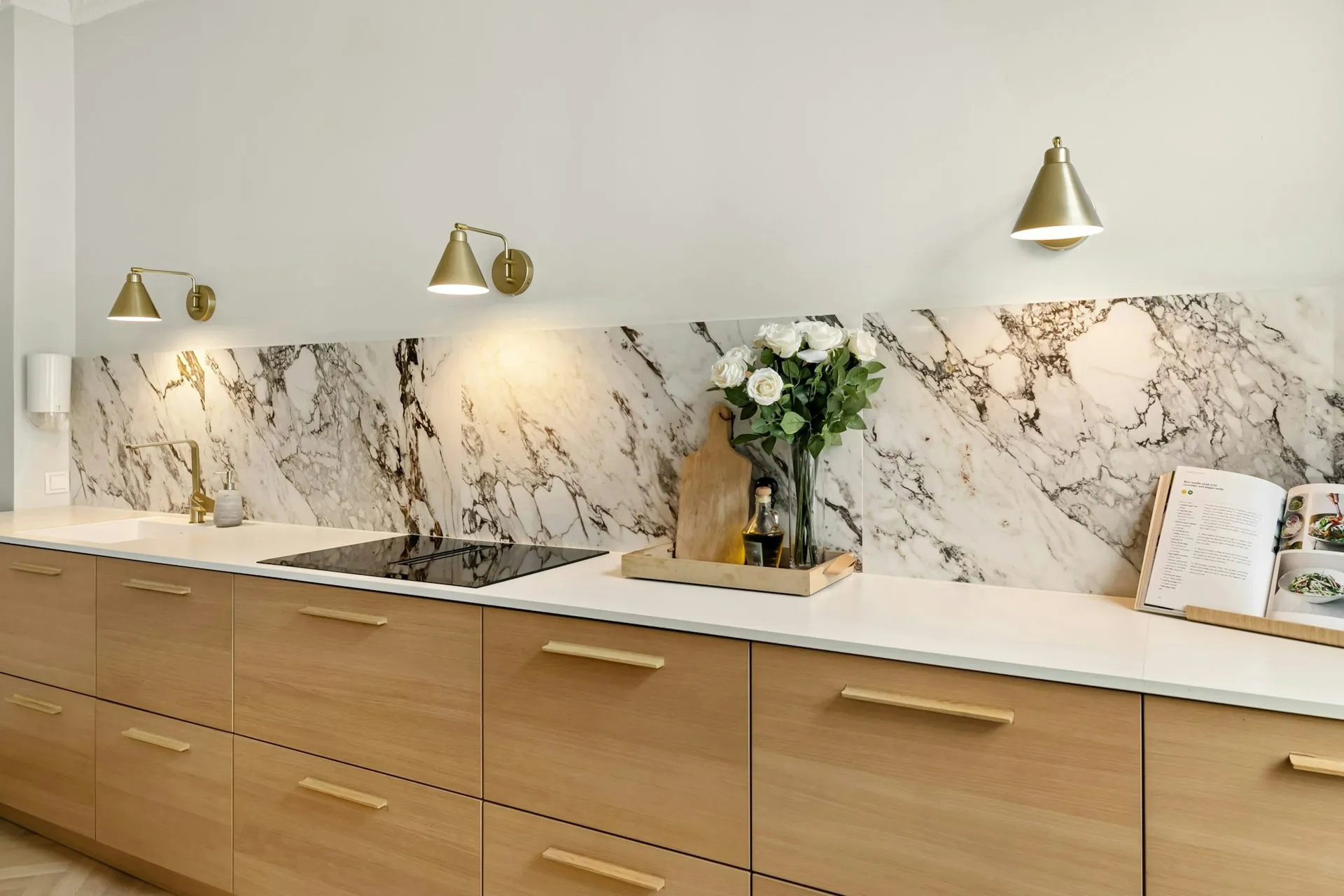
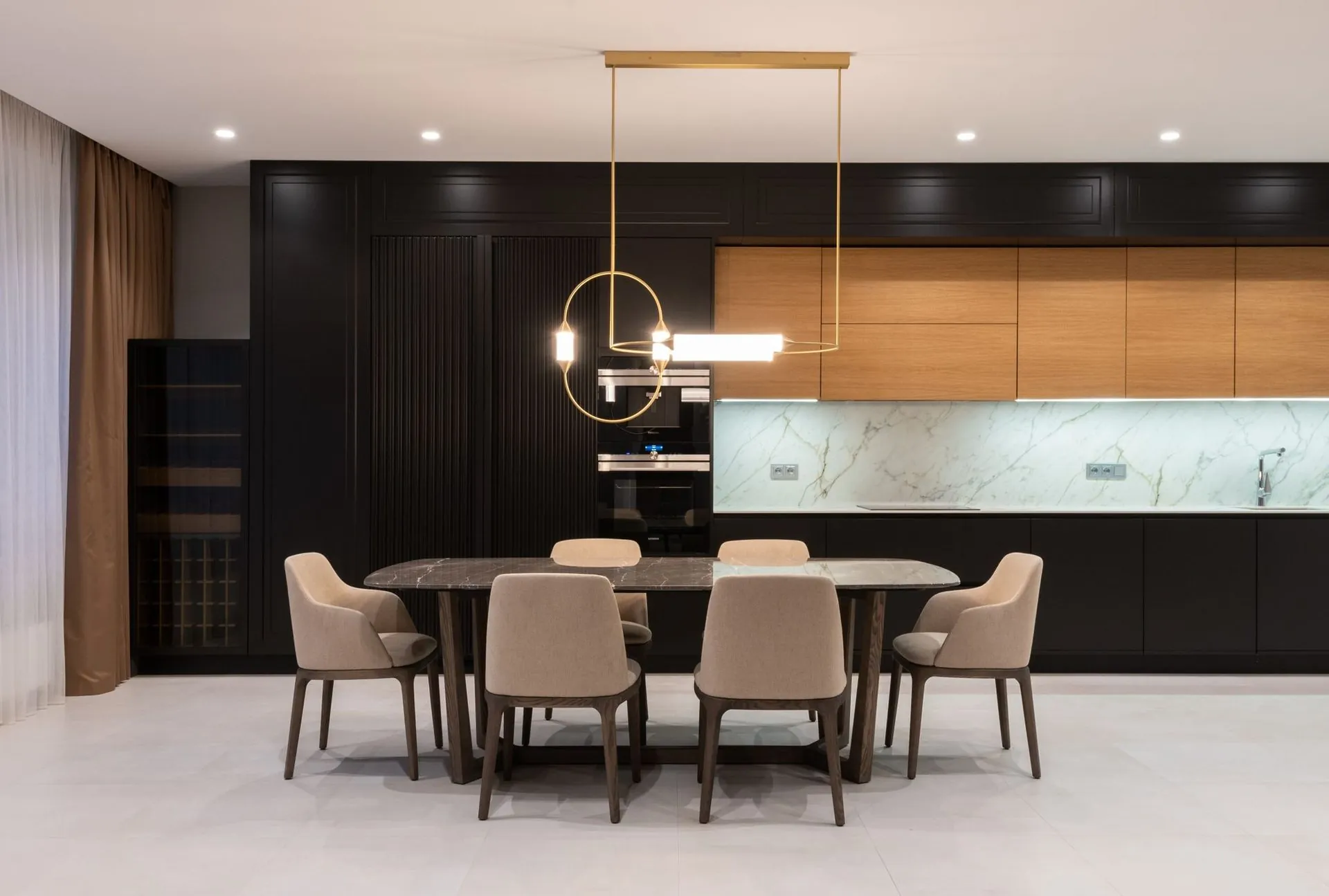
Oak run, doors hung and adjusted before delivery
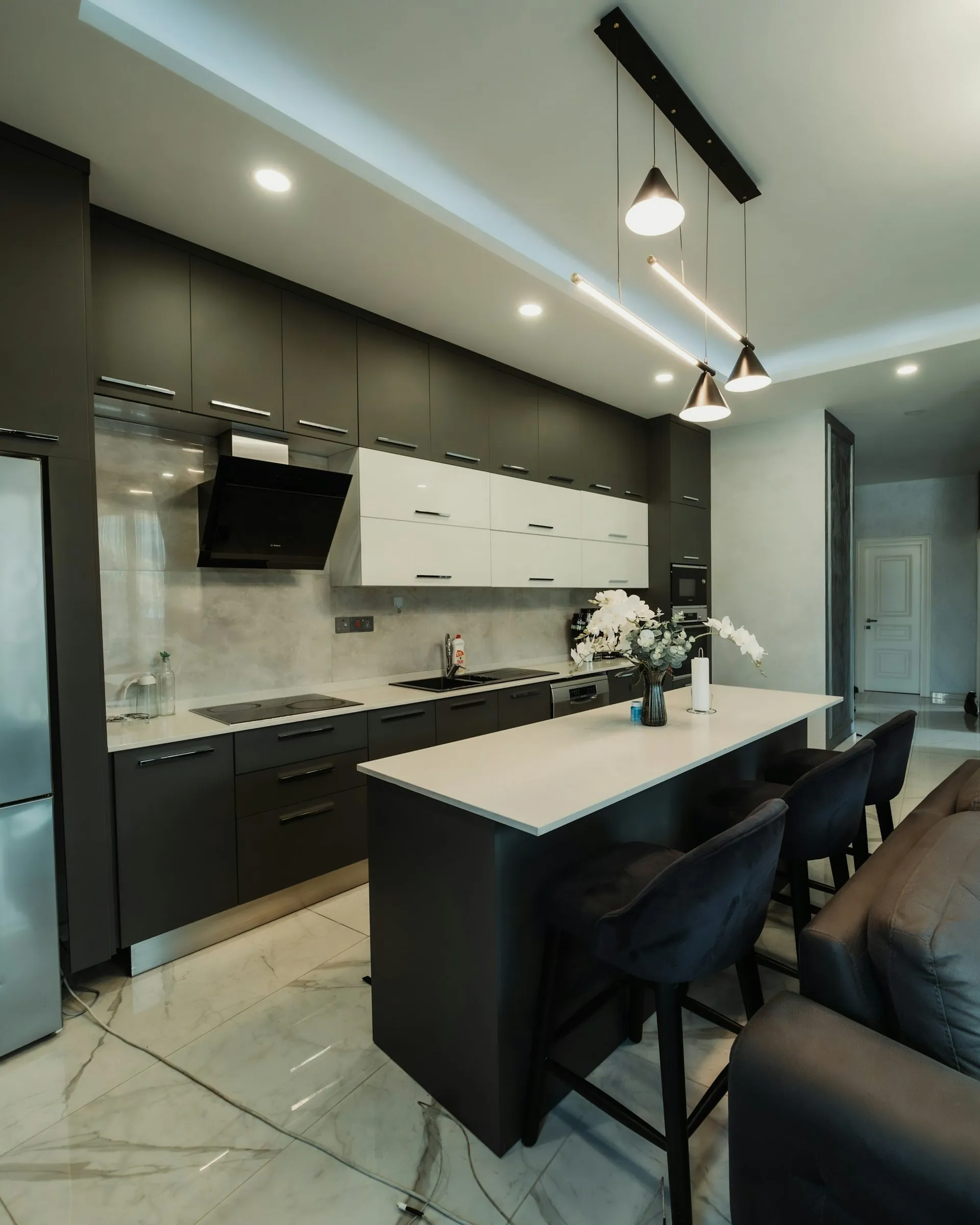
Long island, one delivery
Put it to use
Reading is one thing.
Your room is another.
Send us your dimensions and we will tell you what actually works in your space — and what it costs. Free, fixed, and yours to keep either way.