Induction or gas?
Decide before the design, not after.
This is not just an appliance choice. It changes the cabinetry, the power supply and the rangehood spec around it.
The short answer
Induction cooktops heat the pan directly via electromagnetic current, are fast, precise and produce no open flame or gas by-products in the kitchen, but require compatible cookware and a suitably rated electrical circuit. Gas cooktops offer immediate visual heat feedback and work with any cookware, but need a gas connection, and by-products of combustion make good rangehood extraction more important. Deciding early changes what your electrician and cabinetry maker actually need to plan for.
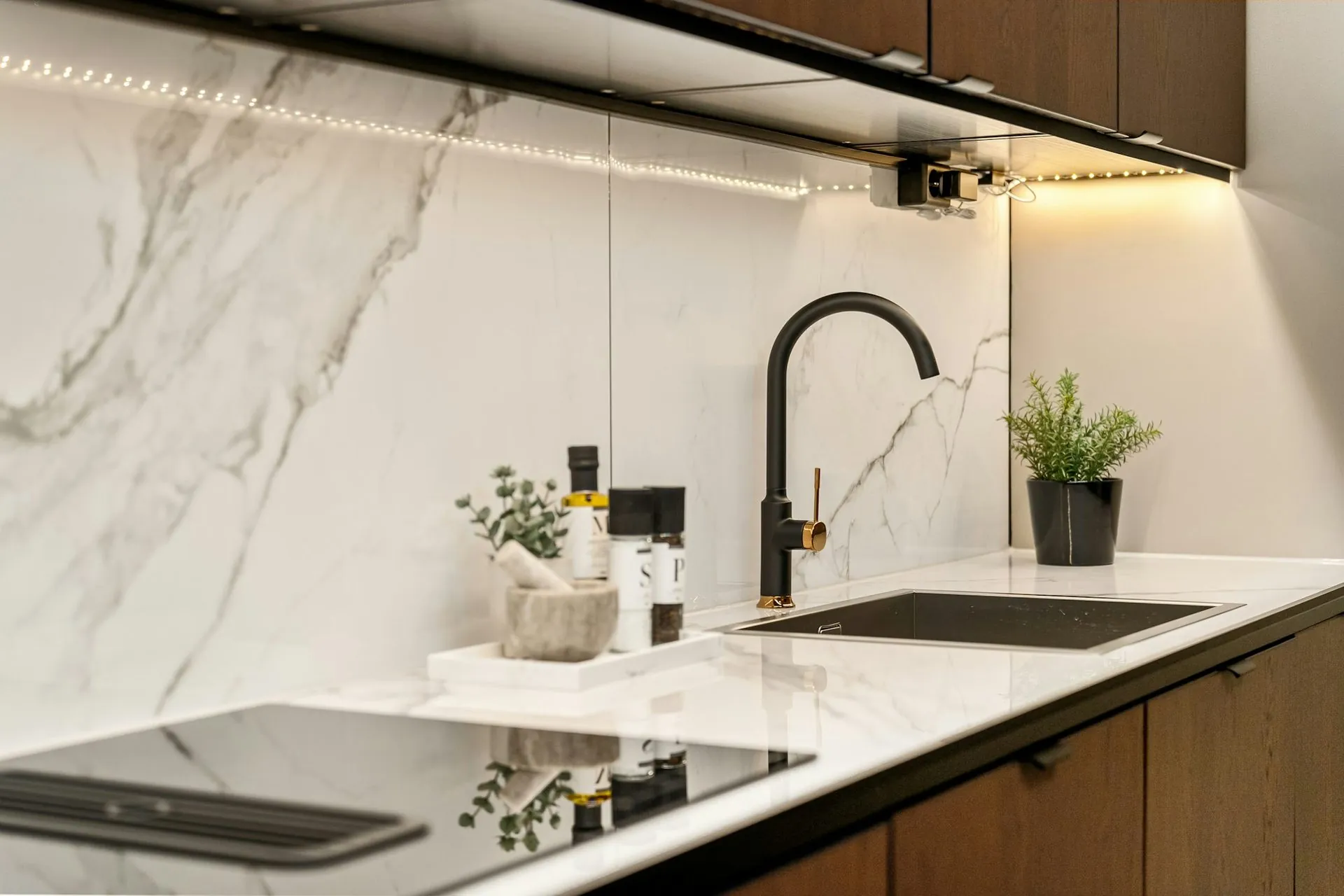
Why this decision has to come before cabinetry design
Induction needs a dedicated, appropriately rated electrical circuit run to the cooktop location — a rough-in decision, not an afterthought. Gas needs a gas line and compliant clearances. Confirm the cooktop type before your service drawing is finalised — see what is a service drawing — since retrofitting either after cabinetry is installed is expensive.
Cookware compatibility with induction
Induction only heats magnetic cookware — cast iron and most stainless steel work; some aluminium, copper and glass cookware does not, without an induction-compatible base. Worth checking your existing cookware before committing, or budgeting to replace incompatible pieces.
Ventilation needs differ
Gas cooking produces combustion by-products alongside cooking fumes, generally making strong rangehood extraction more important than with induction, which produces cooking fumes and heat but no combustion by-products — see rangehood types explained for ducted versus recirculating options.
Materials & hardware guides
More in this series: Engineered stone benchtop care · Is a porcelain benchtop worth it? · Timber benchtop pros and cons · Blum Legrabox explained · Handleless kitchen hardware guide · Brass vs matte black hardware · 2-pack vs laminate kitchen doors · Matte vs gloss kitchen doors · Timber veneer vs laminate doors · 18mm vs 16mm cabinet board · MDF vs particleboard cabinets · Kitchen sink materials compared · Rangehood types explained.
Frequently asked
Common questions
If your question is not here, call the studio. We would rather talk it through than have you guess.
Ask us directly →Is induction better than gas for a kitchen renovation?
Neither is universally better — induction offers speed, precision and no open flame or combustion by-products; gas offers immediate visual heat control and works with any cookware. The right choice depends on how you cook and your power or gas supply.
Does induction need special cookware?
Yes — it only heats magnetic cookware. Most cast iron and many stainless steel pans work; some aluminium, copper and glass cookware does not without an induction-compatible base.
Do I need a stronger rangehood for gas than induction?
Generally a more capable extraction system is recommended for gas, due to combustion by-products alongside cooking fumes — confirm the right specification with your supplier based on your cooktop choice.
When should I decide between induction and gas?
Before your service drawing is finalised — the electrical or gas rough-in for each is different, and changing your mind after cabinetry and services are installed is expensive.
Delivered assembled
The assembly is done
before it arrives.
Carcasses built square on a bench, Blum hardware fitted, doors hung and adjusted to even gaps. On site you are fixing finished cabinets to a wall, not building them on the floor. Our own team fits it in Central Queensland; your installer fits it anywhere else in Australia. Prefer to build it yourself? The same kitchen ships flat pack.

Long island, one delivery
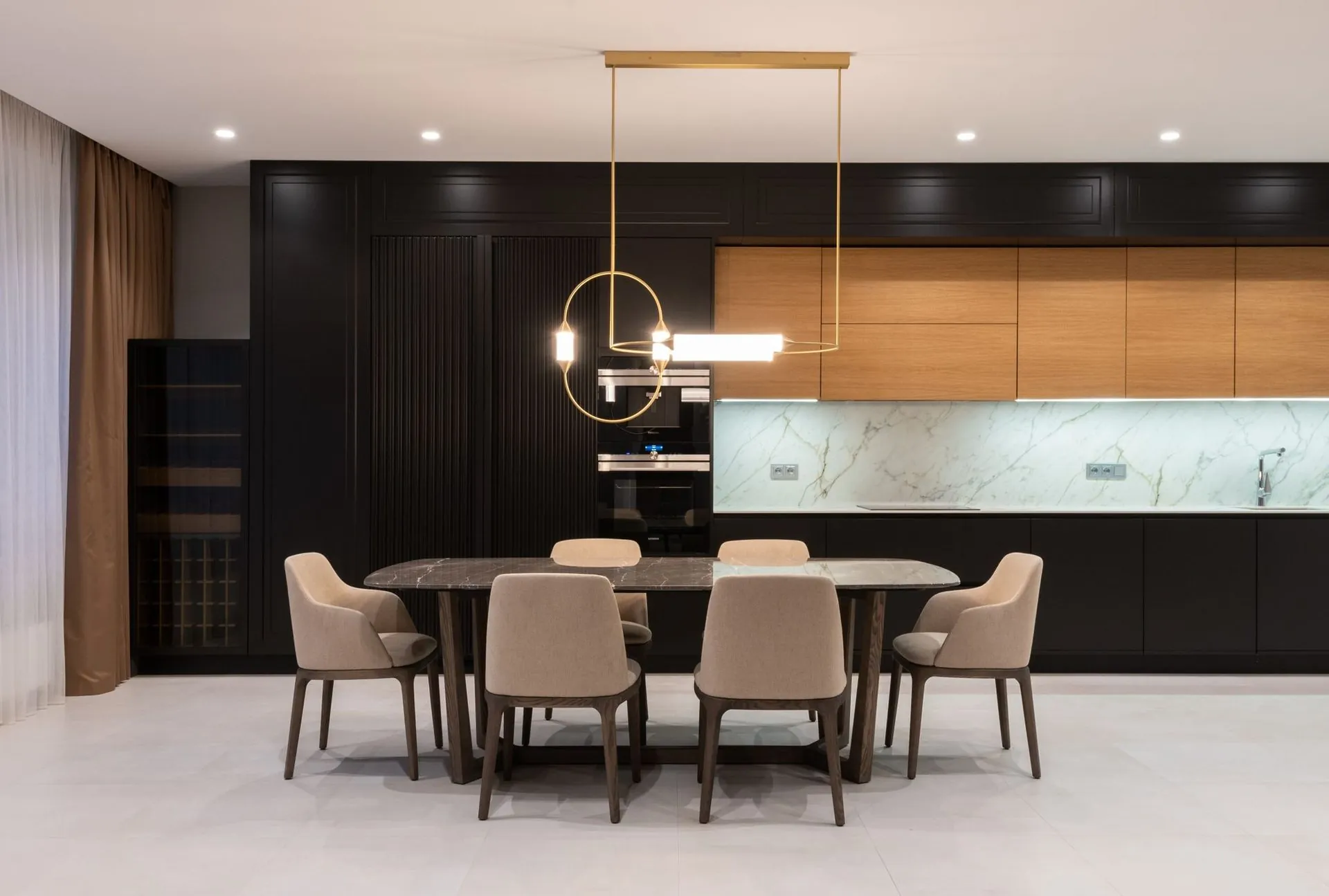
Kitchen into dining, one palette
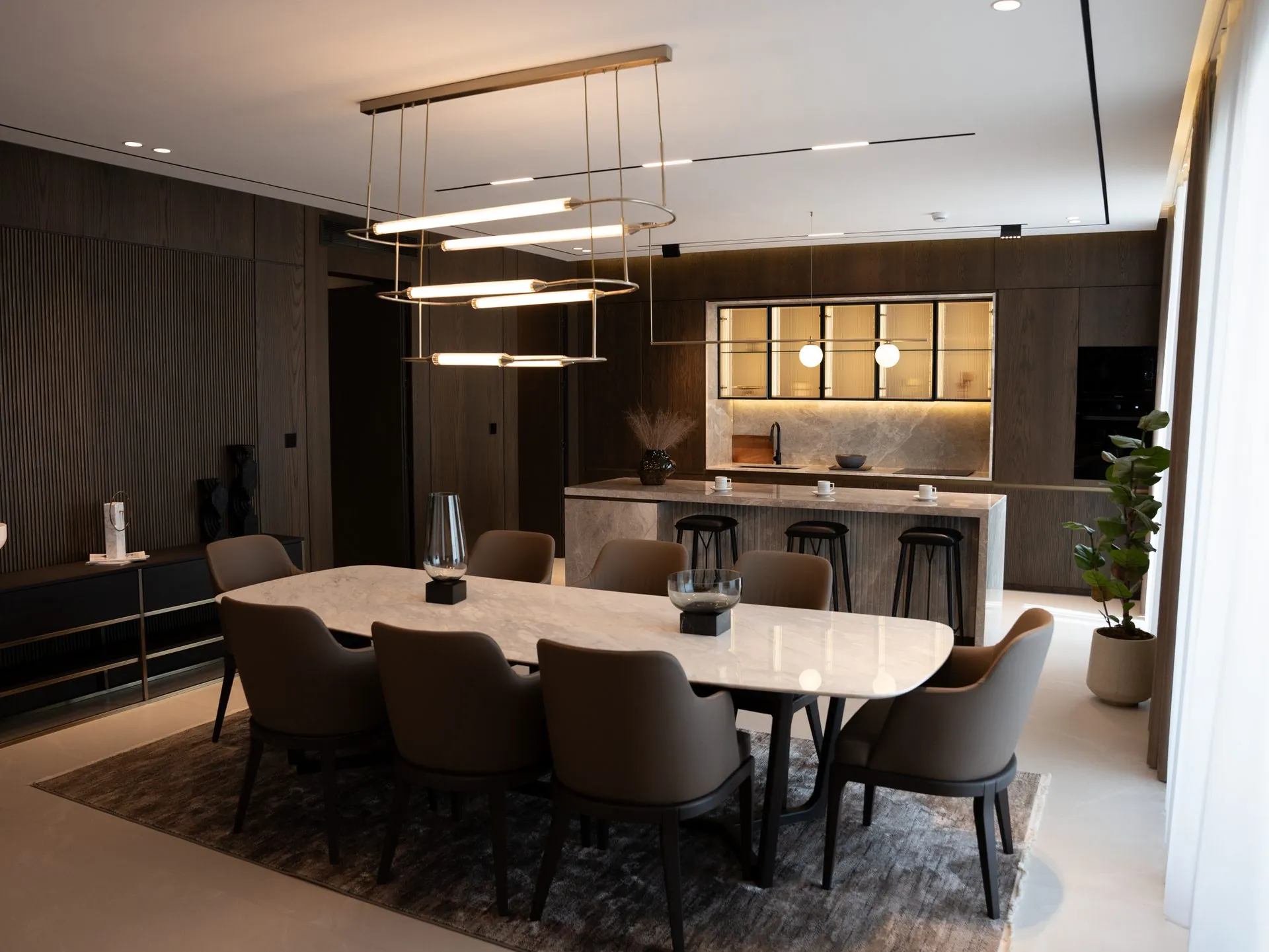
Full-height joinery, fitted in days
Put it to use
Reading is one thing.
Your room is another.
Send us your dimensions and we will tell you what actually works in your space — and what it costs. Free, fixed, and yours to keep either way.