Stainless, composite
or ceramic — which sink?
The most-used fixture in the kitchen, chosen last far too often.
The short answer
Stainless steel is the most affordable and practical option, resisting heat and impact well but showing water spots and scratches over time. Granite composite sinks resist scratching and staining better than stainless and come in colours matching dark cabinetry, at a higher cost. Ceramic (fireclay) sinks offer a classic look and excellent heat resistance but are heavier, more expensive, and can chip if struck hard.
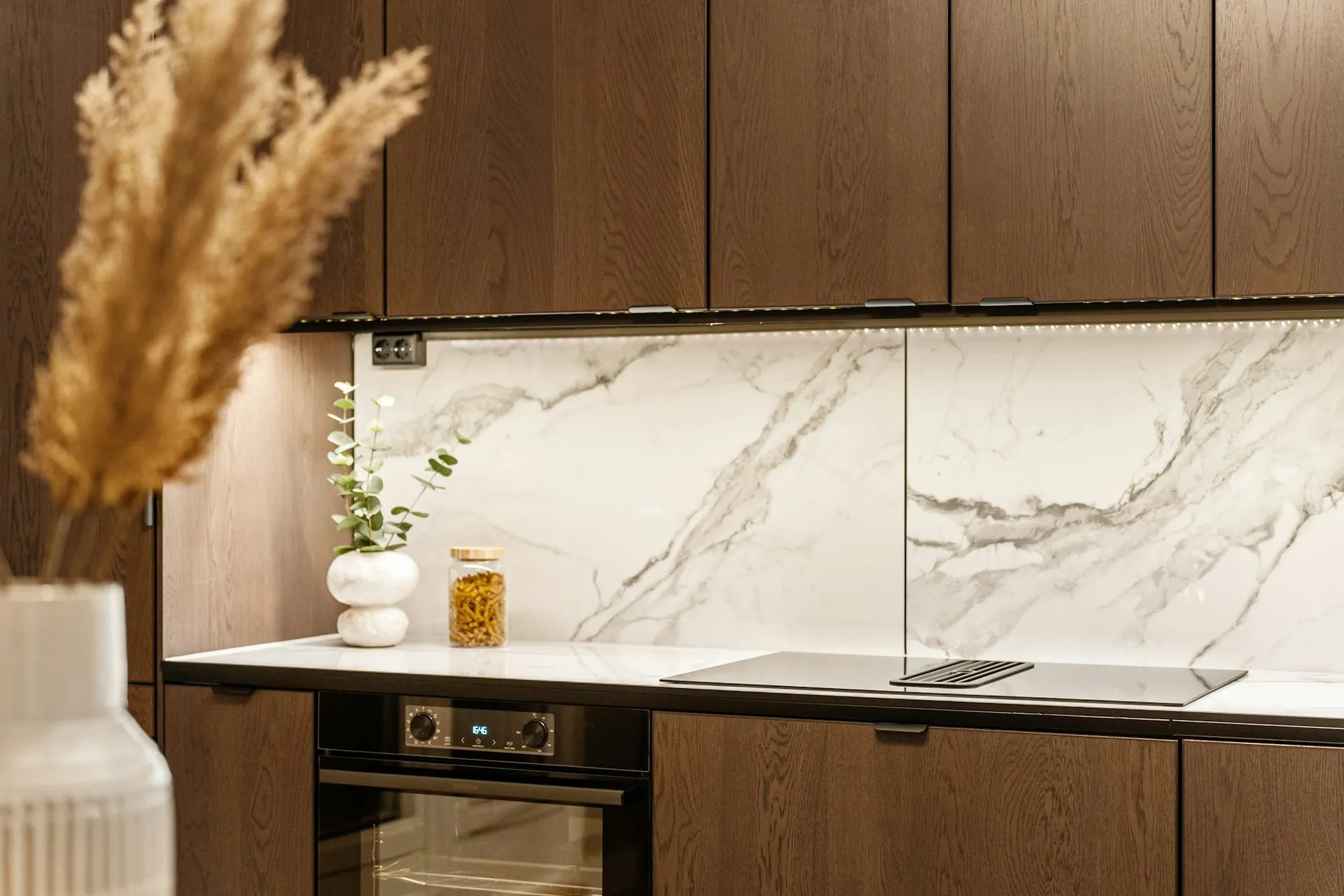
Stainless steel
Affordable, widely available, heat resistant and simple to install. Its main drawback is cosmetic — water spots show clearly, particularly on a satin finish, and fine scratches accumulate with use, though they rarely affect function.
Granite composite
A blend of quartz or granite particles with resin, offering strong scratch and stain resistance and a matte, non-reflective look that suits dark or handleless cabinetry particularly well. It costs more than stainless and, like any composite surface, benefits from avoiding harsh abrasive cleaners.
Ceramic (fireclay)
A traditional, heavy, kiln-fired material with excellent heat resistance and a classic look that suits a Hamptons or farmhouse-leaning kitchen especially well. It is the most expensive of the three and can chip if a heavy object is dropped directly on an edge.
Materials & hardware guides
More in this series: Engineered stone benchtop care · Is a porcelain benchtop worth it? · Timber benchtop pros and cons · Blum Legrabox explained · Handleless kitchen hardware guide · Brass vs matte black hardware · 2-pack vs laminate kitchen doors · Matte vs gloss kitchen doors · Timber veneer vs laminate doors · 18mm vs 16mm cabinet board · MDF vs particleboard cabinets · Induction vs gas cooktop · Rangehood types explained.
Frequently asked
Common questions
If your question is not here, call the studio. We would rather talk it through than have you guess.
Ask us directly →What is the most durable kitchen sink material?
Granite composite generally resists scratching and staining best of the three; ceramic resists heat exceptionally well but can chip; stainless is durable overall but shows cosmetic wear like water spots most visibly.
Is a granite composite sink worth the extra cost over stainless?
If a matte, non-reflective look suited to dark cabinetry matters to you, or scratch resistance is a priority, yes — otherwise stainless remains a very practical, more affordable choice.
Do ceramic sinks chip easily?
They resist everyday use well but can chip if a heavy pot or pan is dropped directly on an edge — a genuine trade-off for their classic look and heat resistance.
Which sink material suits a busy family kitchen best?
Stainless steel or granite composite generally suit heavy daily use best — stainless for affordability and heat resistance, composite for a more scratch- and stain-resistant surface at a higher cost.
Delivered assembled
The assembly is done
before it arrives.
Carcasses built square on a bench, Blum hardware fitted, doors hung and adjusted to even gaps. On site you are fixing finished cabinets to a wall, not building them on the floor. Our own team fits it in Central Queensland; your installer fits it anywhere else in Australia. Prefer to build it yourself? The same kitchen ships flat pack.

Kitchen into dining, one palette

New build, kitchen fitted at fit-off
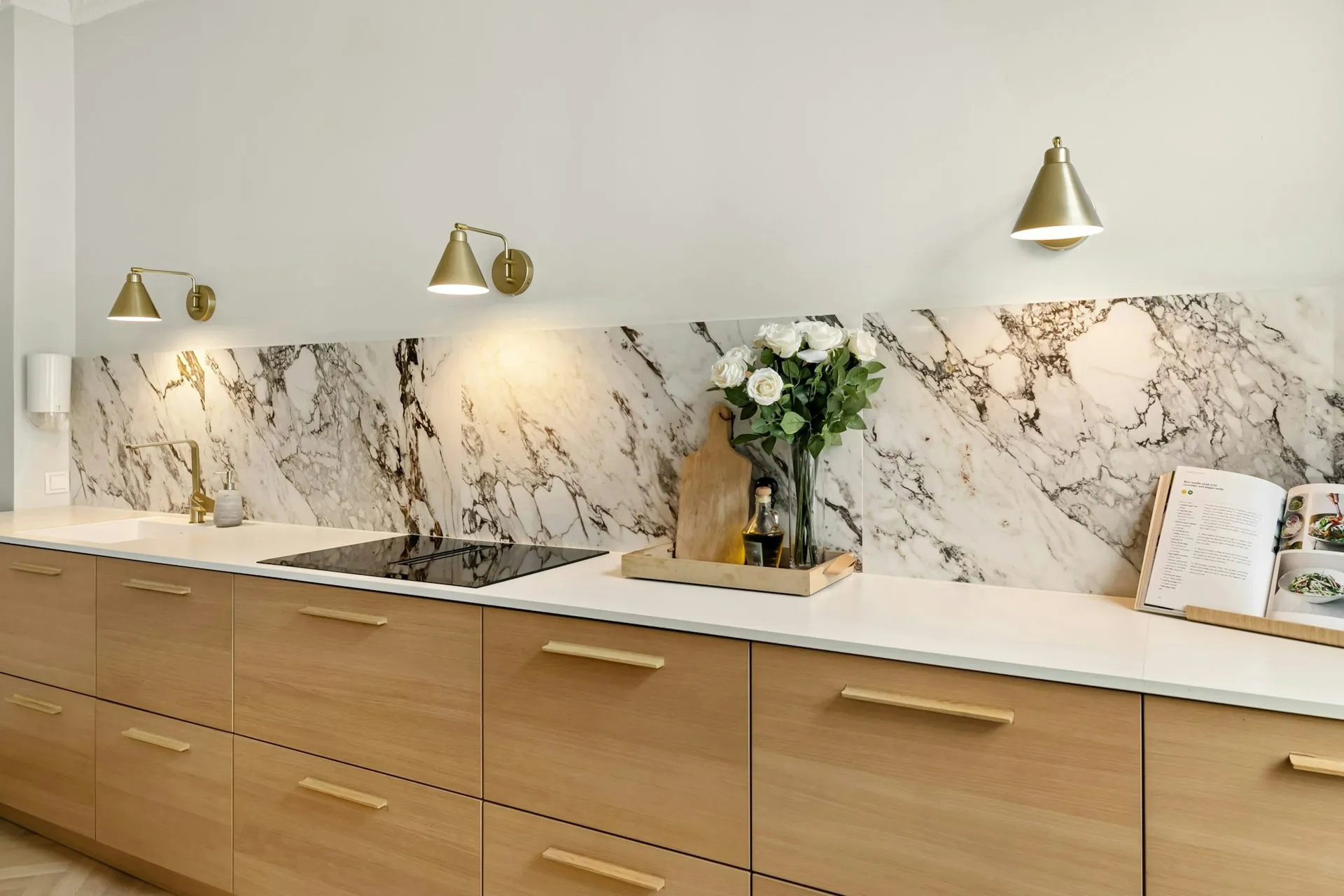
Oak run, doors hung and adjusted before delivery
Put it to use
Reading is one thing.
Your room is another.
Send us your dimensions and we will tell you what actually works in your space — and what it costs. Free, fixed, and yours to keep either way.