Ducted or recirculating?
Your building often decides for you.
The rangehood question that gets asked after the cabinetry is designed, when it should be one of the first.
The short answer
A ducted rangehood extracts cooking air and vents it outside the building through ductwork, genuinely removing heat, smoke and odour from the kitchen. A recirculating rangehood filters the air through a charcoal or grease filter and returns it to the room, which is simpler to install where external venting is not possible but does not remove heat or moisture the way a ducted system does.
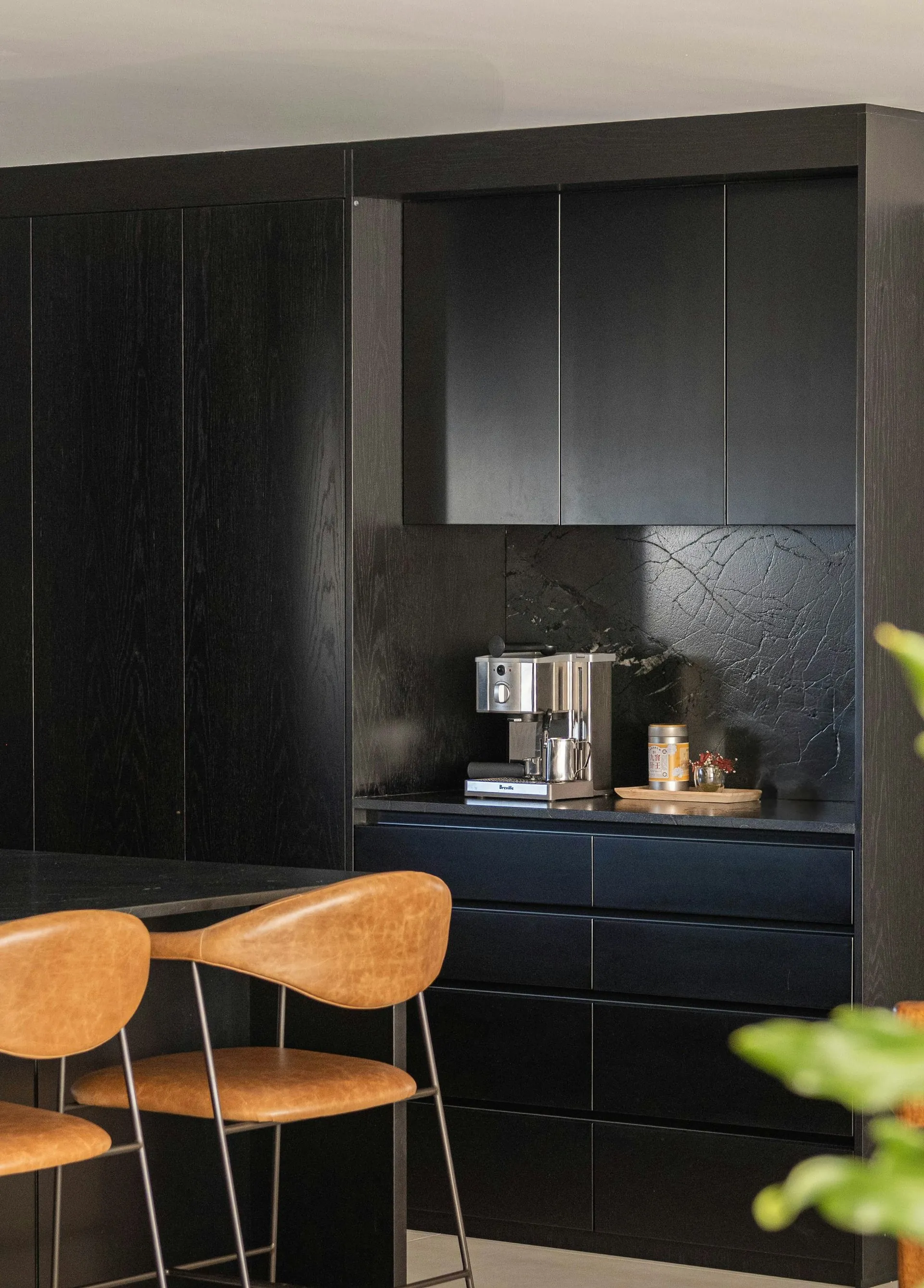
Why building type often decides this for you
A ground-floor kitchen with an external wall nearby generally allows straightforward ducting. An apartment, a kitchen deep in the floor plan, or a heritage-constrained building can make ducting difficult or impossible, in which case recirculating is often the only practical option regardless of preference.
What each actually removes from the air
Ducted genuinely removes heat, moisture, smoke and odour from the kitchen entirely. Recirculating filters grease and some odour but returns the air, including its heat and moisture, back into the room — a meaningfully different result, not just a different installation method.
Ducting needs planning before cabinetry is designed
The duct run from cooktop to an external wall or roof needs a physical path through cabinetry, a ceiling void or a wall — a decision that affects overhead cabinet layout and needs to be settled with your service drawing, not worked out after the cabinets are built.
Materials & hardware guides
More in this series: Engineered stone benchtop care · Is a porcelain benchtop worth it? · Timber benchtop pros and cons · Blum Legrabox explained · Handleless kitchen hardware guide · Brass vs matte black hardware · 2-pack vs laminate kitchen doors · Matte vs gloss kitchen doors · Timber veneer vs laminate doors · 18mm vs 16mm cabinet board · MDF vs particleboard cabinets · Kitchen sink materials compared · Induction vs gas cooktop.
Frequently asked
Common questions
If your question is not here, call the studio. We would rather talk it through than have you guess.
Ask us directly →Is a ducted rangehood better than recirculating?
For actual extraction, yes — ducted removes heat, moisture and odour from the kitchen entirely, where recirculating filters and returns the air. Building constraints sometimes make ducted impractical regardless of preference.
Can every kitchen have a ducted rangehood?
Not always — apartments, kitchens deep in a floor plan, or heritage-constrained buildings can make an external duct run difficult or impossible, in which case recirculating may be the only practical option.
Does a recirculating rangehood remove cooking smoke?
It filters grease and some odour but returns the air to the room, so heat, moisture and residual smell are not removed from the kitchen the way a ducted system removes them.
When should I decide on ducted versus recirculating?
Before overhead cabinetry is finalised — the duct run affects cabinet layout and needs to be planned into the service drawing rather than resolved afterwards.
Delivered assembled
The assembly is done
before it arrives.
Carcasses built square on a bench, Blum hardware fitted, doors hung and adjusted to even gaps. On site you are fixing finished cabinets to a wall, not building them on the floor. Our own team fits it in Central Queensland; your installer fits it anywhere else in Australia. Prefer to build it yourself? The same kitchen ships flat pack.
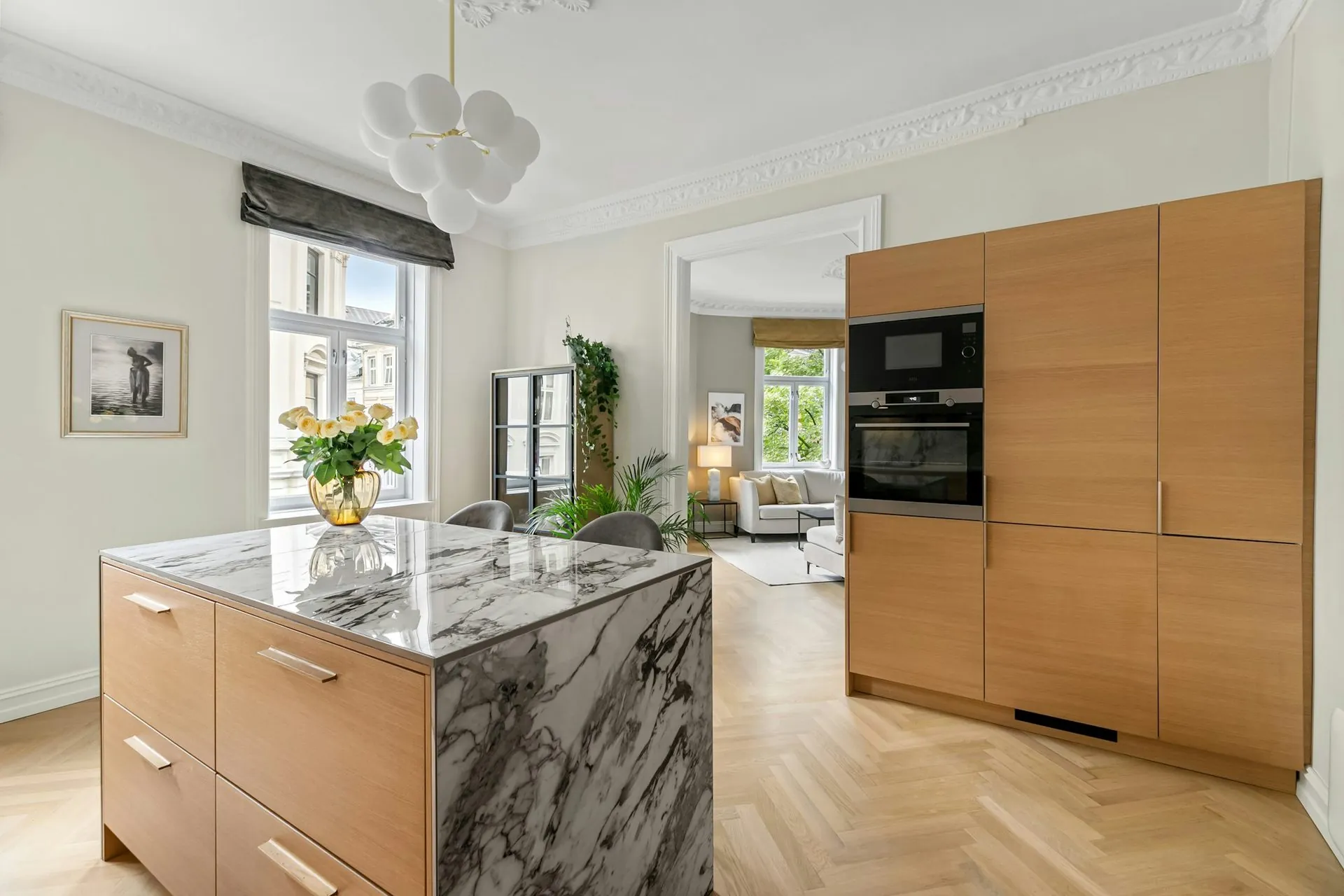
Island with seating overhang
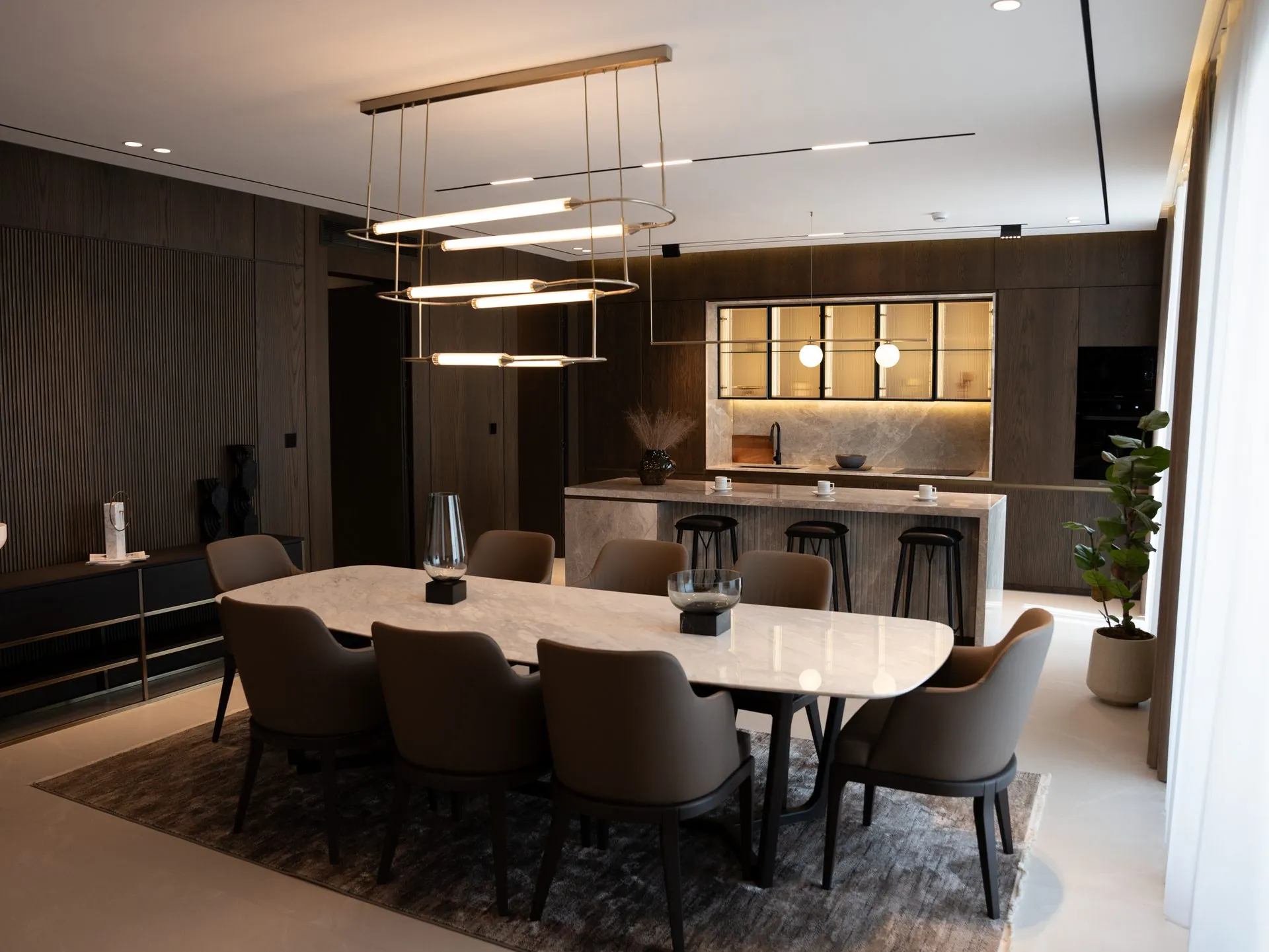
Full-height joinery, fitted in days
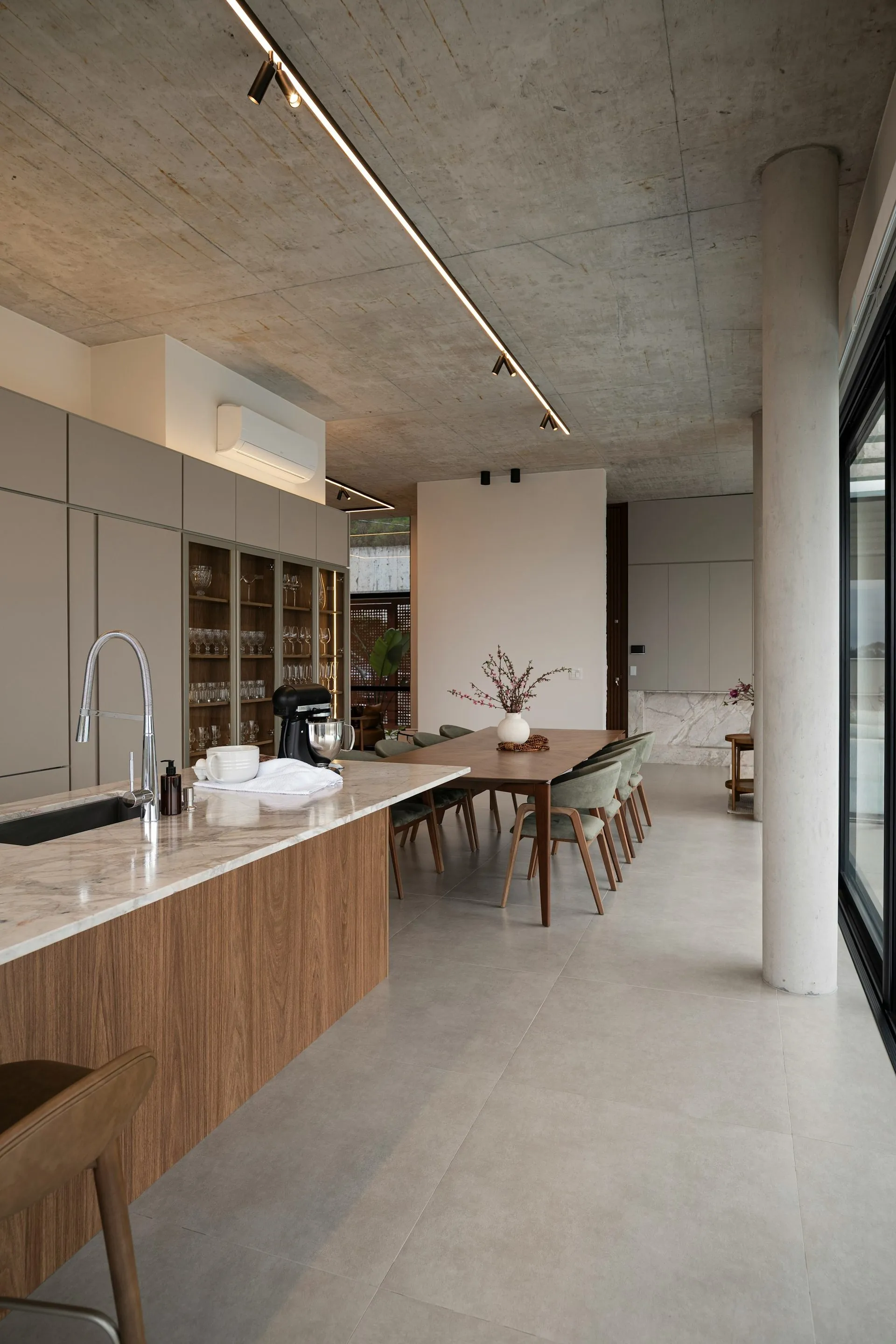
Timber island, stone top
Put it to use
Reading is one thing.
Your room is another.
Send us your dimensions and we will tell you what actually works in your space — and what it costs. Free, fixed, and yours to keep either way.