18mm or 16mm?
Two millimetres, real consequences.
The specification line most buyers skip past, and one of the few that actually predicts how a kitchen ages.
The short answer
An 18mm cabinet carcass is stiffer over a wide span than 16mm, resists sagging under a loaded shelf or a stone benchtop better, and holds screws and hardware fixings more securely over years of use. 16mm was historically more common in budget cabinetry to reduce material cost; 18mm has become the more common specification where longevity matters, which is why we use it as standard across every collection.
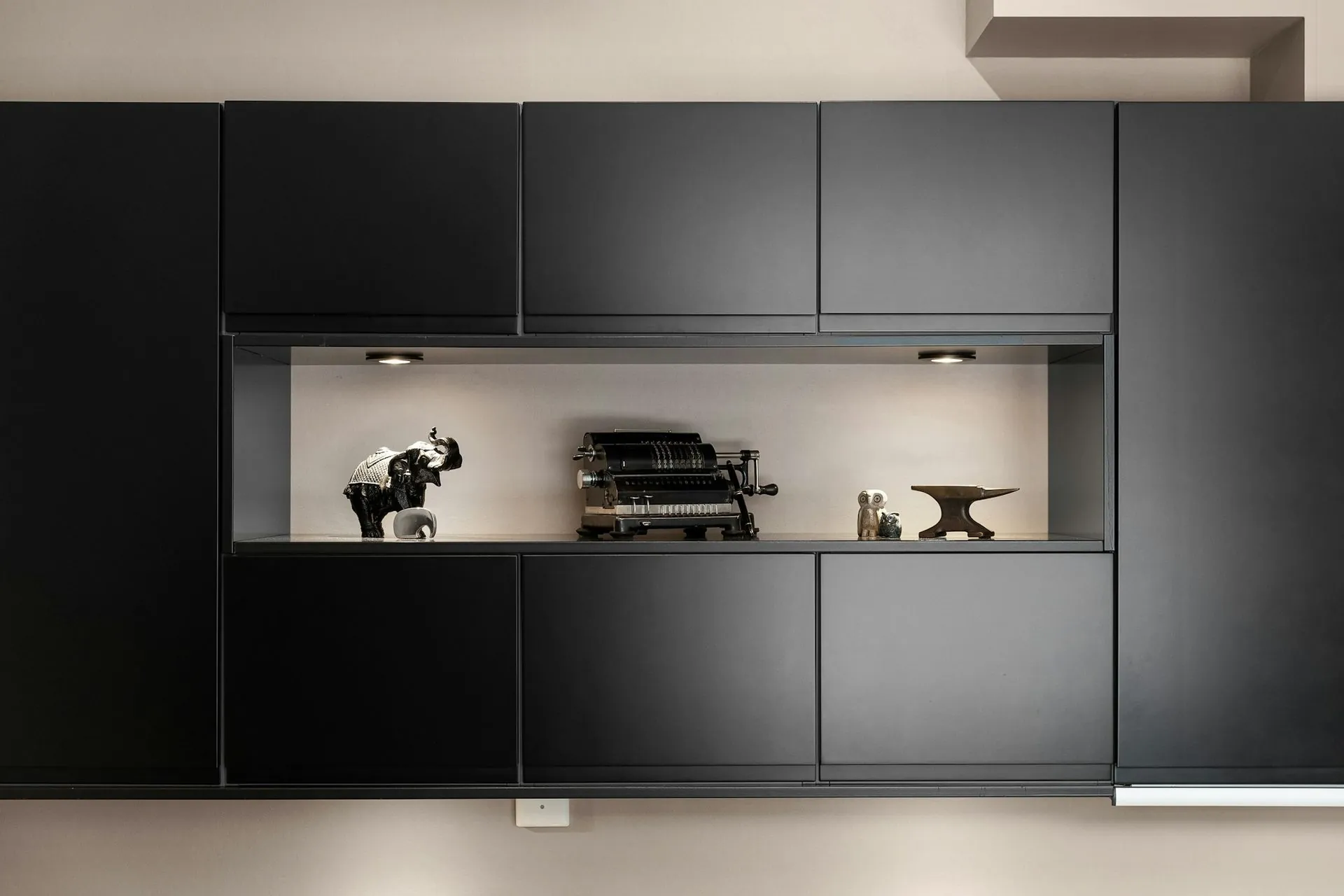
Why the extra 2mm matters structurally
A wider, unsupported cabinet span — a long base run under a stone benchtop, or a wide shelf carrying crockery — flexes more on 16mm board than 18mm. Over years, that flex can show as a slightly sagging shelf or a benchtop that is not perfectly level where it should be rigid.
Screw and hinge fixing strength
Hinges, runners and shelf pins all fix into the board itself, and a thicker board holds those fixings more securely under repeated opening and closing over years — a detail that matters more the longer you expect the kitchen to last.
Where 16mm still shows up, and why
16mm is not inherently poor-quality board; it is a legitimate lighter-duty specification, still common in some budget cabinetry ranges and in some non-structural applications like internal fittings. The distinction that matters is whether it is used for a loaded base cabinet carcass, where the extra stiffness genuinely counts.
Materials & hardware guides
More in this series: Engineered stone benchtop care · Is a porcelain benchtop worth it? · Timber benchtop pros and cons · Blum Legrabox explained · Handleless kitchen hardware guide · Brass vs matte black hardware · 2-pack vs laminate kitchen doors · Matte vs gloss kitchen doors · Timber veneer vs laminate doors · MDF vs particleboard cabinets · Kitchen sink materials compared · Induction vs gas cooktop · Rangehood types explained.
Frequently asked
Common questions
If your question is not here, call the studio. We would rather talk it through than have you guess.
Ask us directly →Is 18mm cabinet board actually better than 16mm?
For load-bearing base cabinets and wide spans, yes — it is stiffer, resists sagging better and holds hardware fixings more securely over years of use.
Does board thickness affect price much?
18mm board costs somewhat more than 16mm, but the difference is small relative to the total cost of a kitchen, and it is one of the cheapest specification decisions with real long-term consequence.
How can I check what board thickness a supplier uses?
Ask directly and get it stated on the quote — board thickness is not visible once cabinetry is installed and finished.
Is thicker always better for cabinet board?
Within reason — 18mm is the common standard for genuine durability; going thicker again offers diminishing practical benefit for typical residential kitchen use.
Delivered assembled
The assembly is done
before it arrives.
Carcasses built square on a bench, Blum hardware fitted, doors hung and adjusted to even gaps. On site you are fixing finished cabinets to a wall, not building them on the floor. Our own team fits it in Central Queensland; your installer fits it anywhere else in Australia. Prefer to build it yourself? The same kitchen ships flat pack.
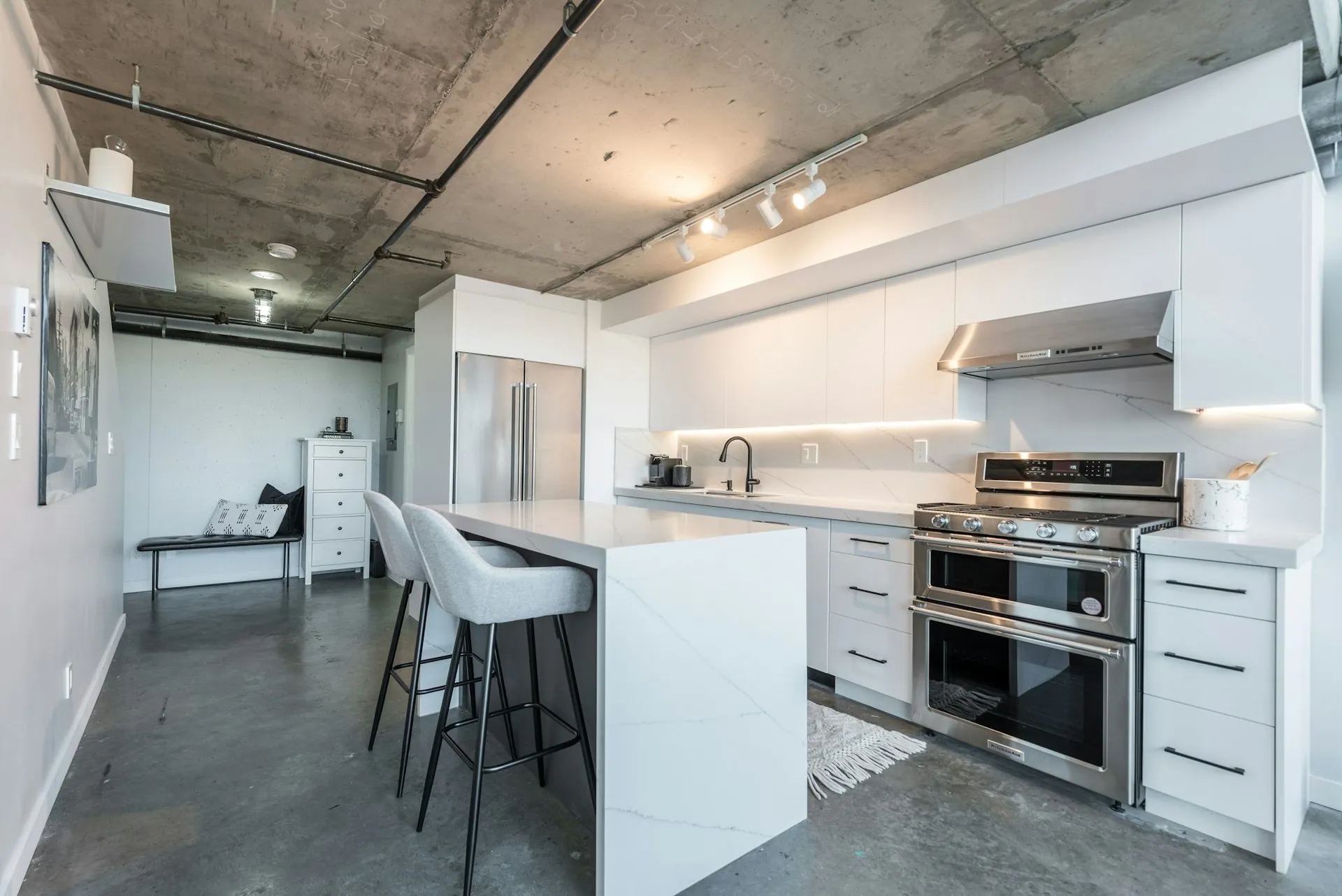
Concrete-look doors, matte black hardware
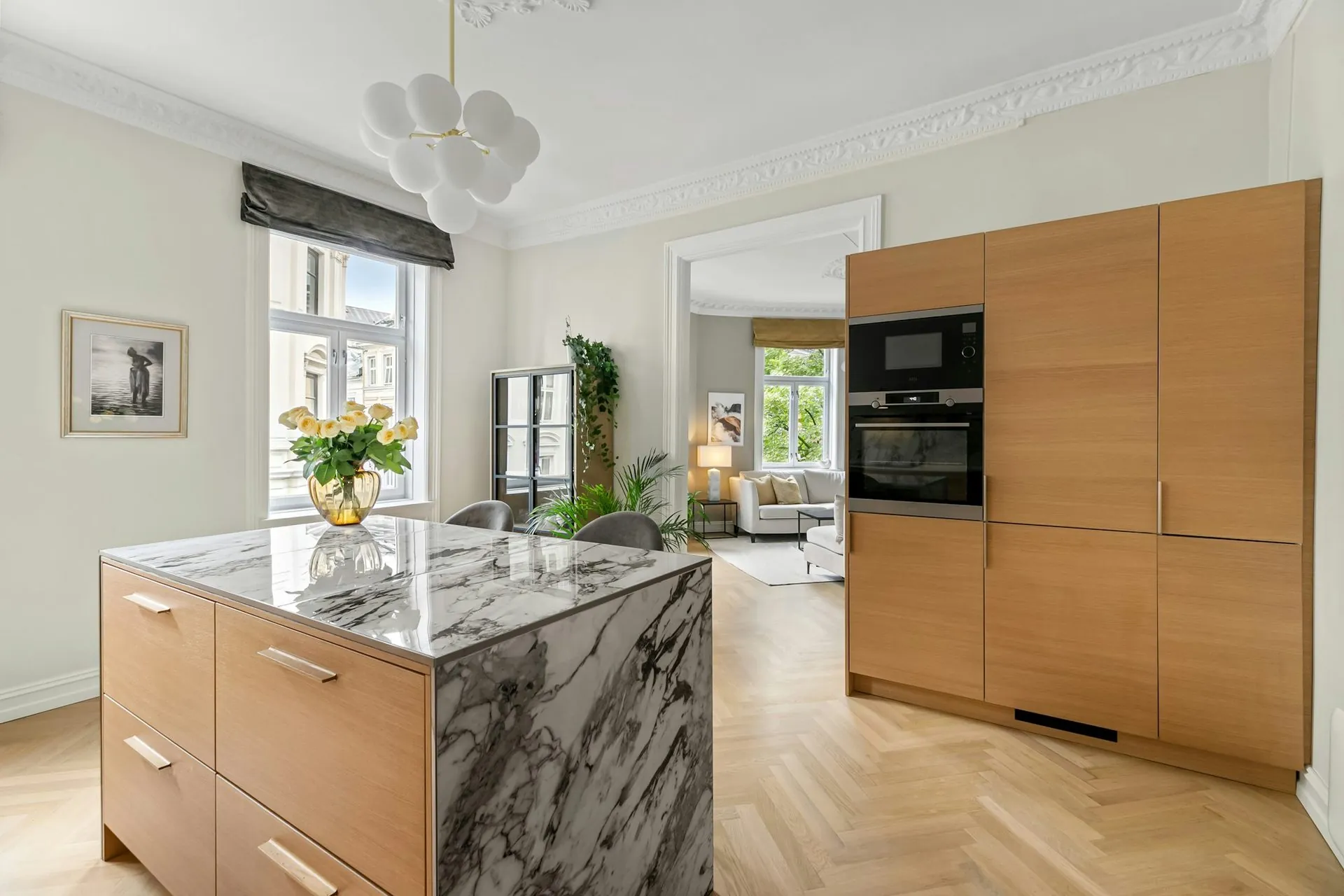
Island with seating overhang
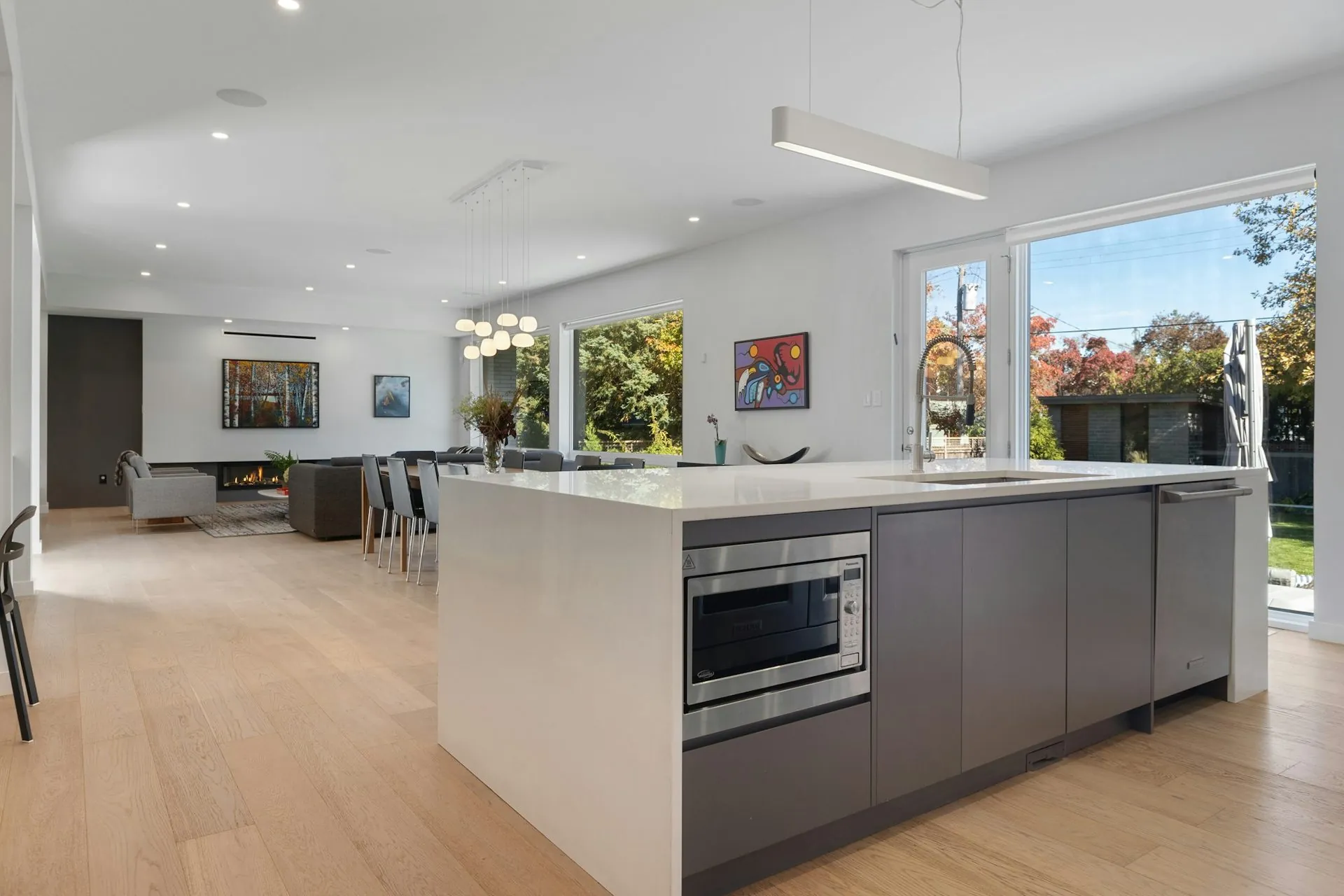
A long run arrives as numbered assembled units
Put it to use
Reading is one thing.
Your room is another.
Send us your dimensions and we will tell you what actually works in your space — and what it costs. Free, fixed, and yours to keep either way.