Push-to-open,
explained properly.
No handle, no rail — just a press, and a mechanism doing the rest.
The short answer
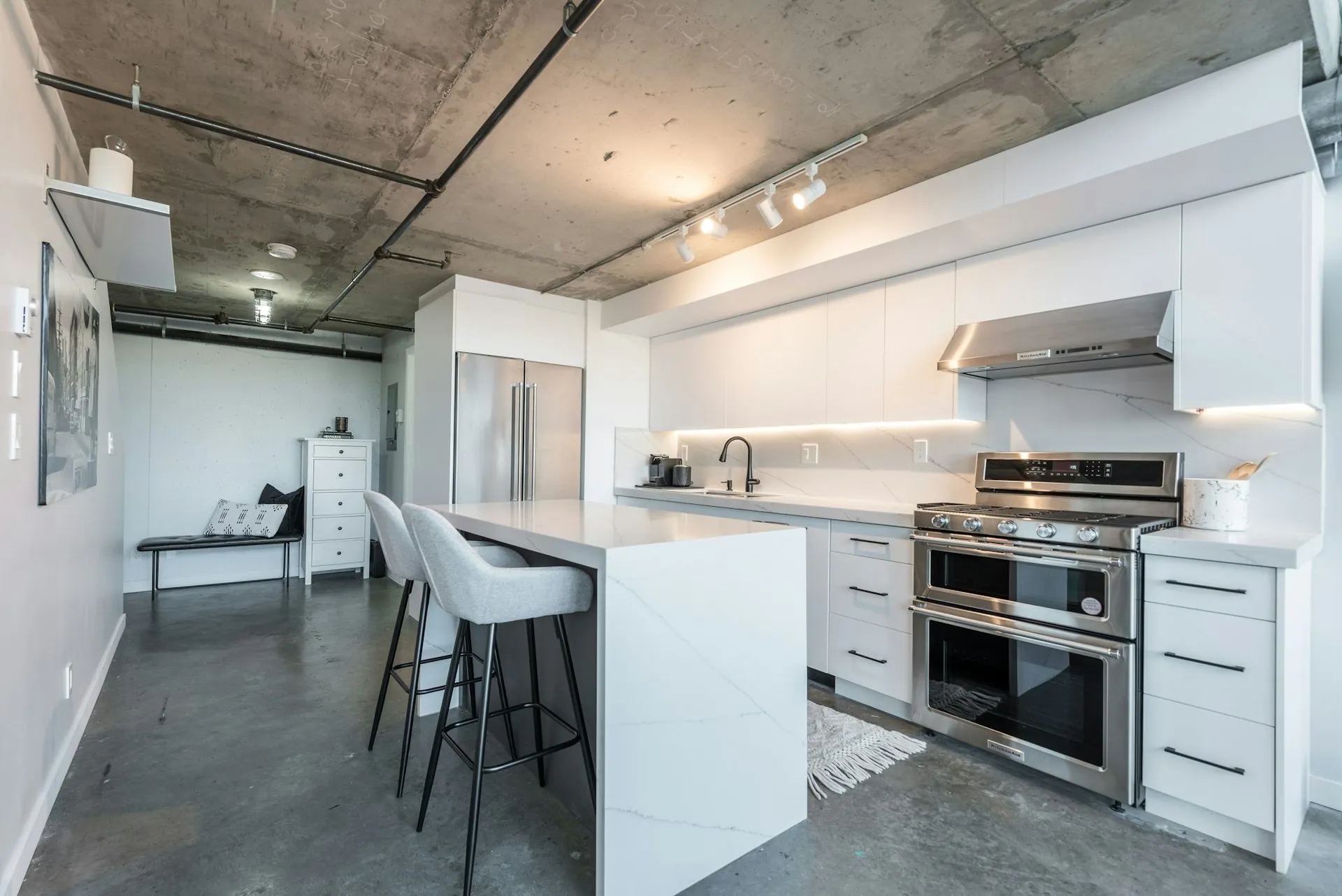
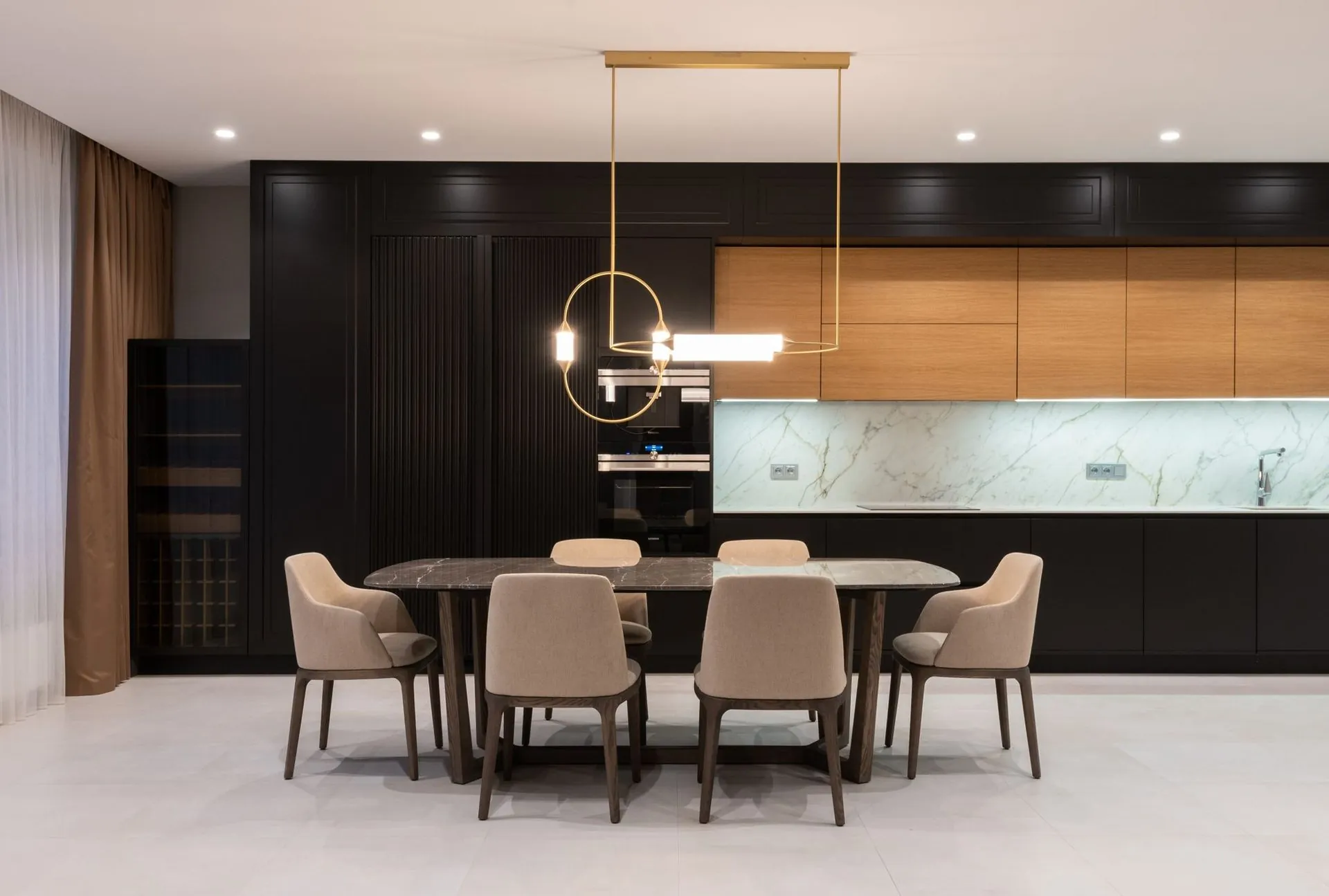
Push-to-open hardware is a spring-and-catch mechanism fitted inside a cabinet that releases the door or drawer with a light push on the front face, rather than requiring a handle or a recessed grip rail to pull. It is one route to a fully handleless kitchen — see what is a handleless kitchen for how it compares to a rail or milled profile.
How the mechanism actually works
A spring-loaded catch inside the cabinet holds the door closed under light tension; pushing the door face releases the catch and the door springs open slightly, far enough to grip and open fully by hand. Closing it firmly re-engages the catch.
The trade-offs worth knowing before you choose it
Push-to-open mechanisms add cost per door and drawer, since every one needs its own catch rather than a single continuous rail. They can also feel less immediate than a handle to someone unfamiliar with the kitchen, and heavier doors put more strain on the catch over years of use — worth testing a sample door in person before specifying it throughout a whole kitchen.
Kitchen & cabinetry glossary
More in this series: What is a cabinet carcass? · What is a kickboard? · What is a scribe piece? · What is edge banding? · What is a full-extension runner? · Soft-close hinges explained · What is a handleless kitchen? · What is a waterfall benchtop edge? · What is a mitred join? · What is a kitchen splashback? · What is a service drawing? · What does "supply only" mean? · What is a tall pantry unit? · What is a corner carousel? · What is a blind corner cabinet? · What is moisture-resistant board? · What is an overhead cabinet?.
Frequently asked
Common questions
If your question is not here, call the studio. We would rather talk it through than have you guess.
Ask us directly →Does push-to-open hardware wear out?
The catch mechanism can weaken over years of heavy use, particularly on large or heavy doors — a quality mechanism such as Blum's tends to hold up considerably longer than an unbranded equivalent.
Is push-to-open more expensive than a handle?
Yes, noticeably — every door and drawer needs its own mechanism, compared with a single continuous rail achieving the same handleless look for less.
Can push-to-open be mixed with handles in the same kitchen?
Yes — a common approach is push-to-open on overheads that are reached less often, with a handle or rail on base cabinets and drawers used constantly.
Delivered assembled
The assembly is done
before it arrives.
Carcasses built square on a bench, Blum hardware fitted, doors hung and adjusted to even gaps. On site you are fixing finished cabinets to a wall, not building them on the floor. Our own team fits it in Central Queensland; your installer fits it anywhere else in Australia. Prefer to build it yourself? The same kitchen ships flat pack.
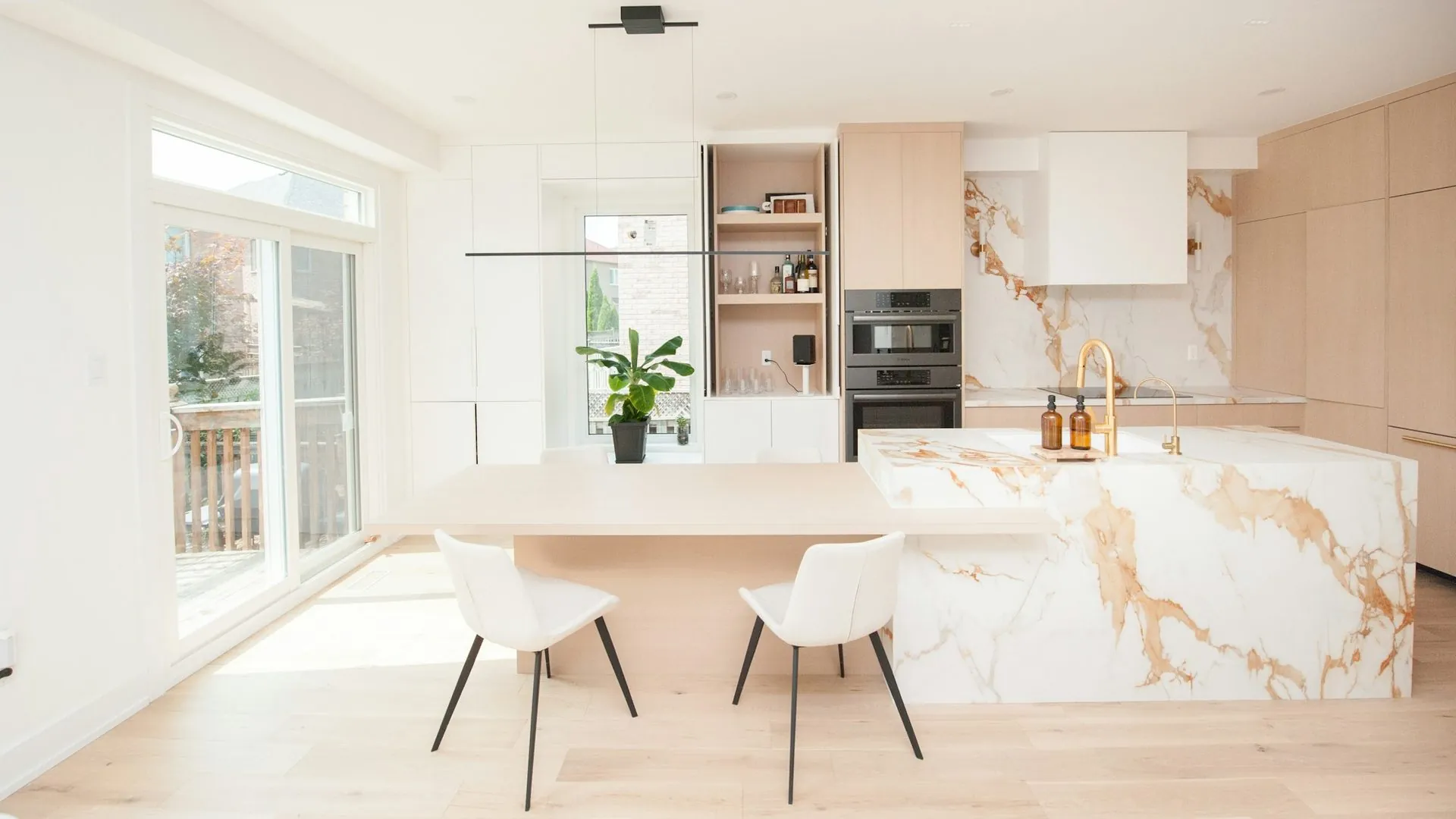
New build, kitchen fitted at fit-off
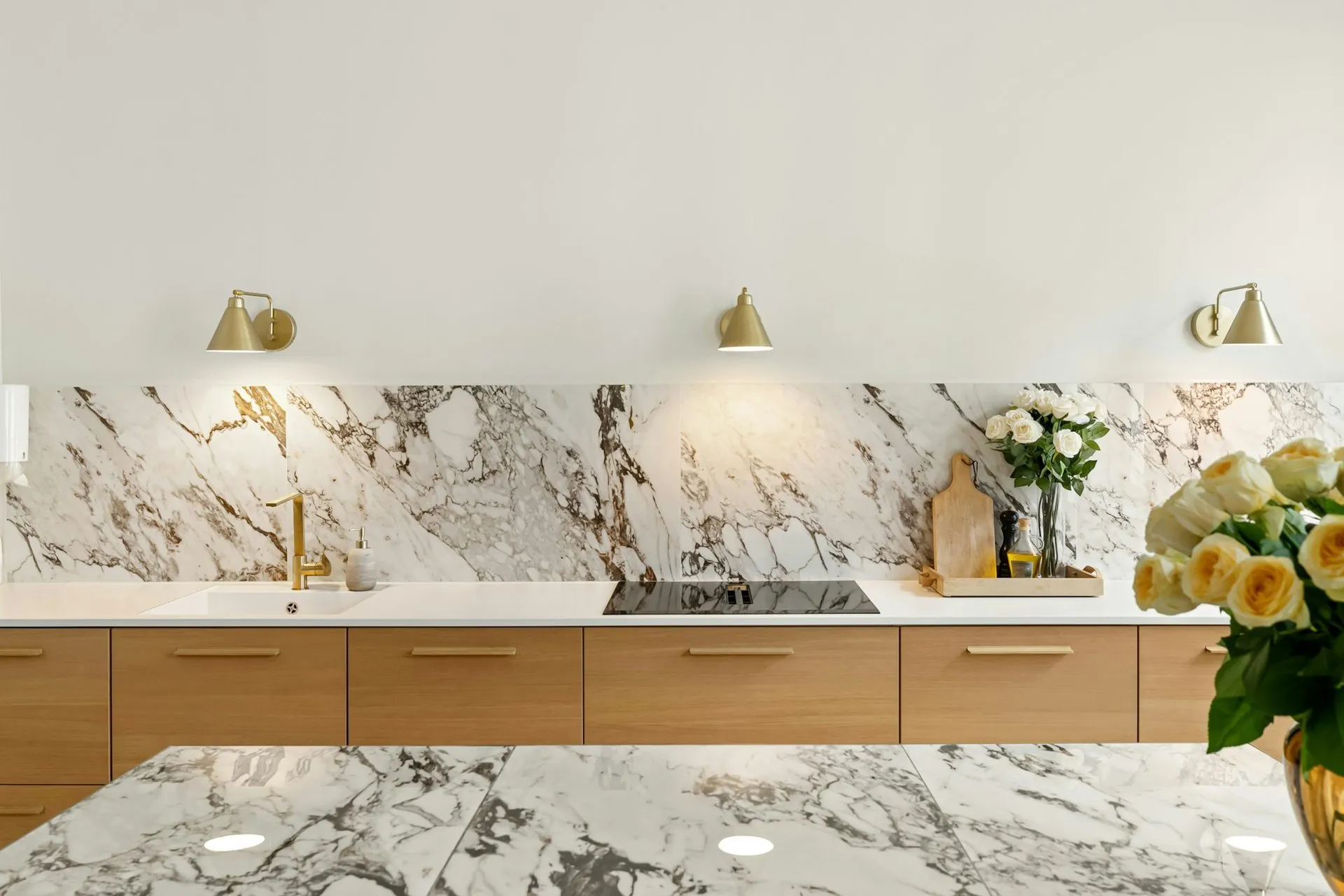
Handleless rail on an assembled run
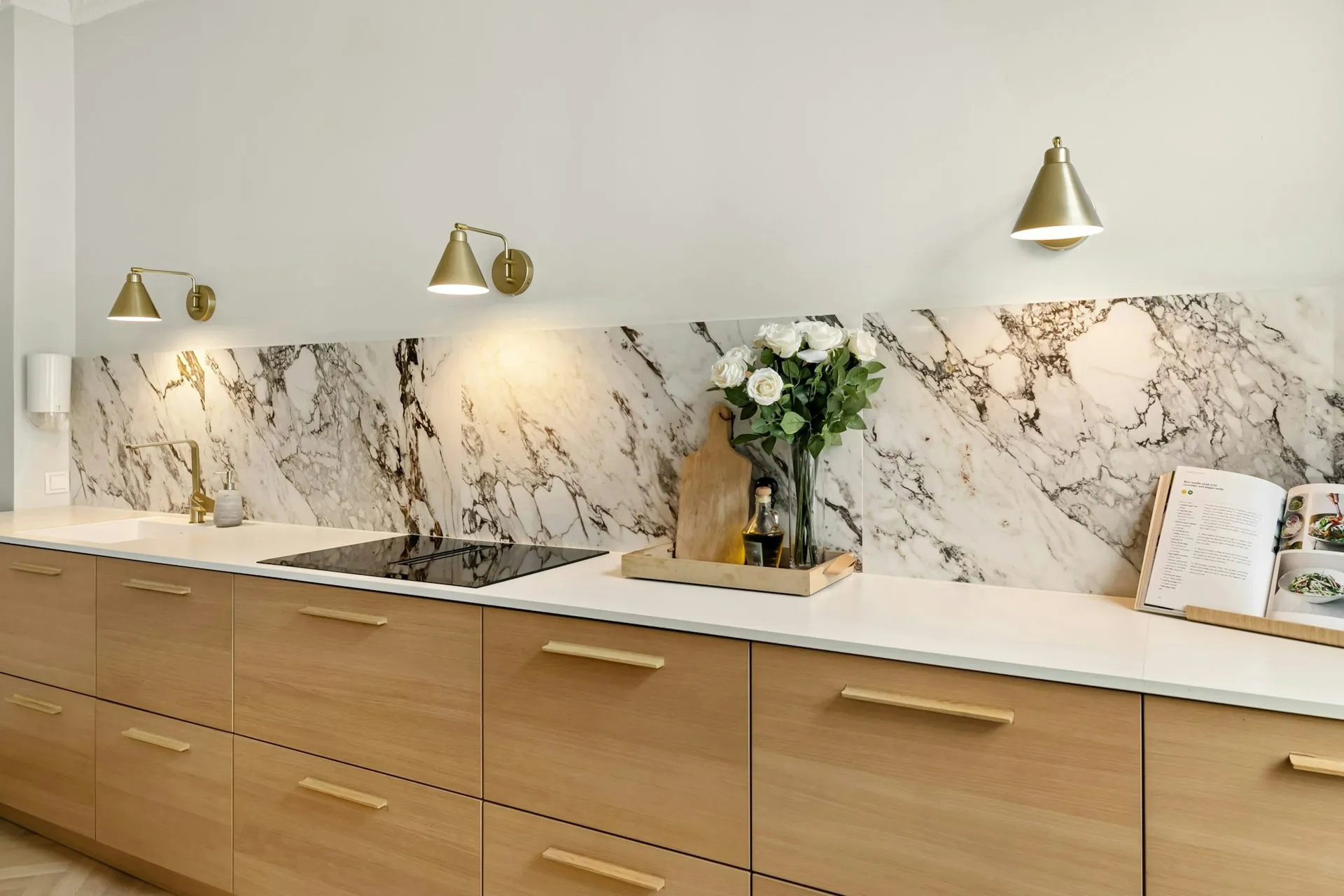
Oak run, doors hung and adjusted before delivery
Put it to use
Reading is one thing.
Your room is another.
Send us your dimensions and we will tell you what actually works in your space — and what it costs. Free, fixed, and yours to keep either way.