Appliance cut-outs,
and why they must be exact.
A cabinet cut for the wrong appliance is a new cabinet, not an adjustment. This is the single most common cause of a kitchen order going wrong.
The short answer
Every built-in appliance has a cut-out dimension published by its manufacturer, and it is not the same as the appliance’s overall size. Cooktops need a hole in the benchtop; ovens, dishwashers and microwaves need an opening in the cabinetry with specified clearances around them. Send us the model numbers or the specification sheets before we cut, and the cabinets are built to take them. Guessing is what produces a kitchen that has to be partly remade.
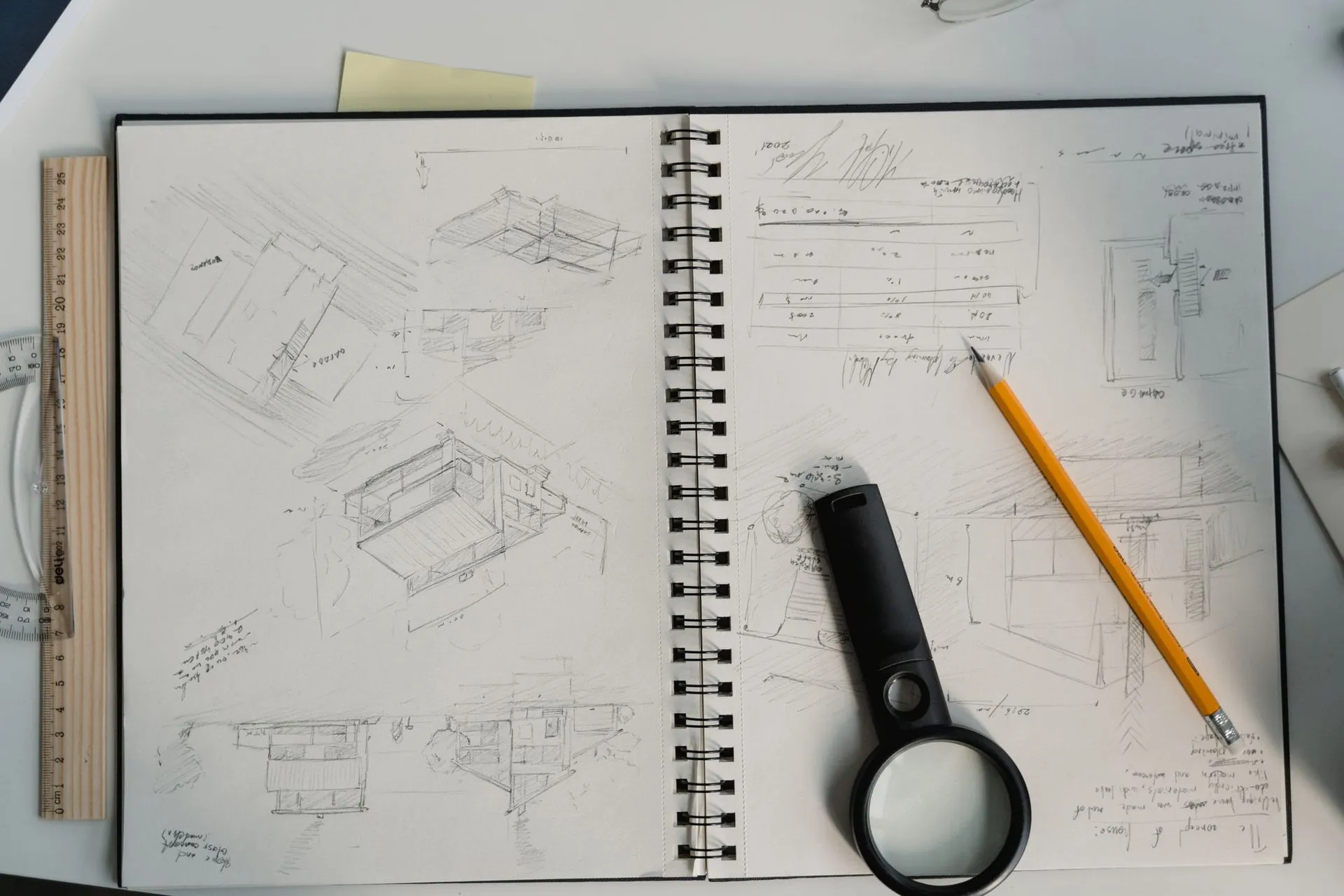
Cut-out is not the same as appliance size
A 600mm cooktop is not a 600mm hole. The published cut-out is usually smaller, because the glass or steel edge sits on the benchtop around it. An oven described as 600mm needs a cabinet opening with its own specified height, width and depth plus ventilation clearance. Using the marketing size instead of the cut-out size is the classic mistake.
Where to find the numbers
The manufacturer’s specification sheet, usually a PDF on their website under the model number, with a dimensioned diagram. The installation manual has the same figures. If the appliance is already in your possession, the numbers are often printed inside the door or on a label. Send us the model number and we will find them.
Clearances matter as much as the opening
Ovens need air around them or they overheat and fail early. Dishwashers need room for the door to clear the bench overhang and the kickboard. Rangehoods have a minimum height above the cooktop that is a safety requirement, not a preference, and it differs between gas and induction. All of that goes on the drawing.
If you have not chosen appliances yet
Tell us the sizes you intend @EM@ 600mm oven, 900mm cooktop, standard dishwasher @EM@ and we will draw to the common cut-outs for those categories. Then confirm the actual models before we cut. Nothing goes to the saw until the numbers are signed off. send us the dimensions.
Sizes, hardware and services
More in this series: Standard cabinet sizes · Bench height · Hinge overlay · Benchtop thickness · Drawers vs cupboards · Undermount vs topmount · Under-cabinet lighting · Soft close vs push to open · Runner load ratings · The work triangle · Power point placement.
Frequently asked
Common questions
If your question is not here, call the studio. We would rather talk it through than have you guess.
Ask us directly →What is an appliance cut-out size?
The opening the appliance needs, published by the manufacturer. It differs from the appliance’s overall dimensions, sometimes by a significant margin.
Where do I find cut-out dimensions?
On the manufacturer’s specification sheet or installation manual for that exact model, usually downloadable as a PDF. Send us the model number if you cannot find it.
What happens if the cut-out is wrong?
If it is too small the appliance does not fit and the cabinet or benchtop has to be remade. If it is too large the gap shows. Either way it is not adjustable on site.
Do I need to choose appliances before ordering the kitchen?
Ideally yes, at least the sizes. We can draw to common category sizes, but the exact models must be confirmed before cutting.
Delivered assembled
The assembly is done
before it arrives.
Carcasses built square on a bench, Blum hardware fitted, doors hung and adjusted to even gaps. On site you are fixing finished cabinets to a wall, not building them on the floor. Our own team fits it in Central Queensland; your installer fits it anywhere else in Australia. Prefer to build it yourself? The same kitchen ships flat pack.
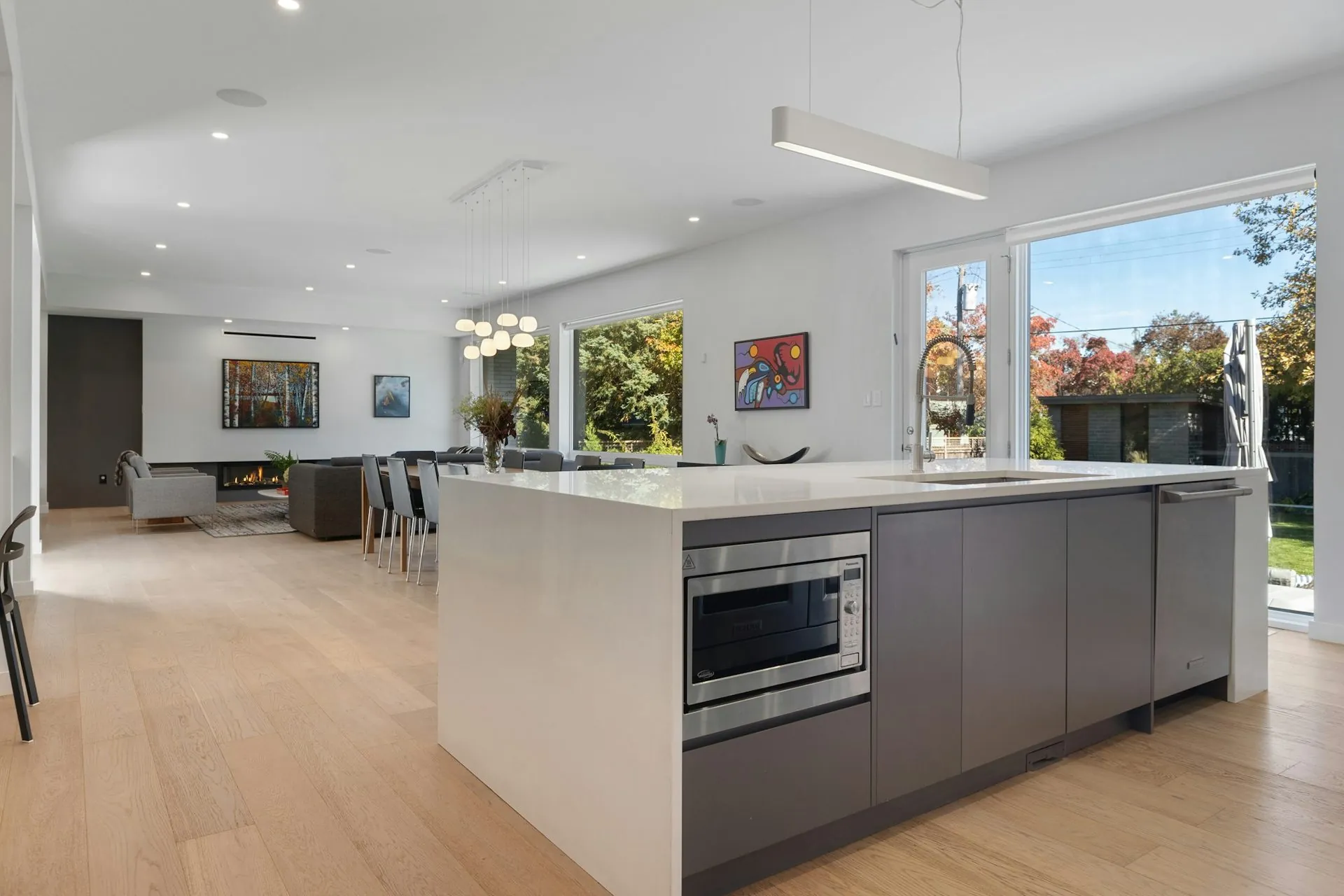
A long run arrives as numbered assembled units
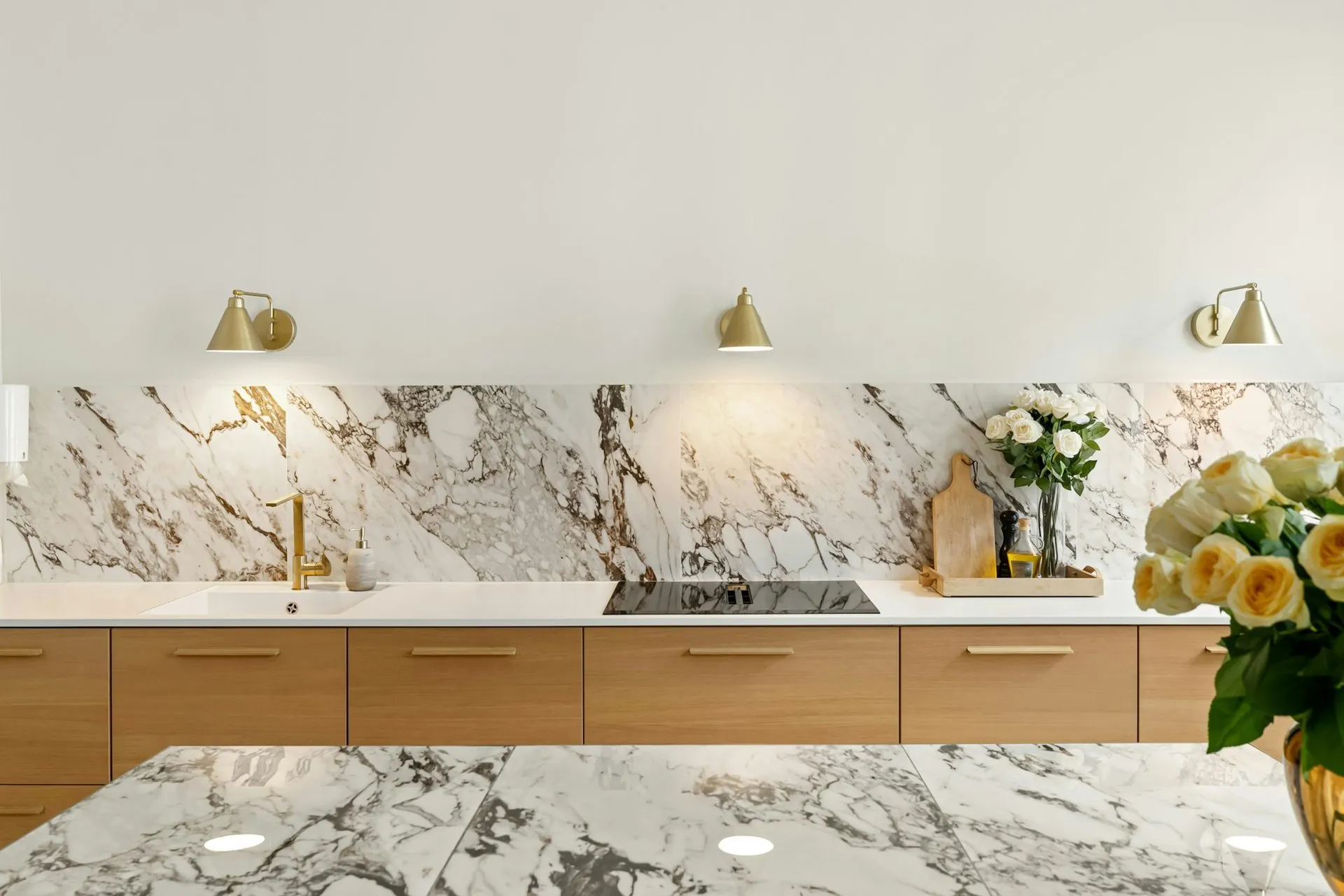
Handleless rail on an assembled run
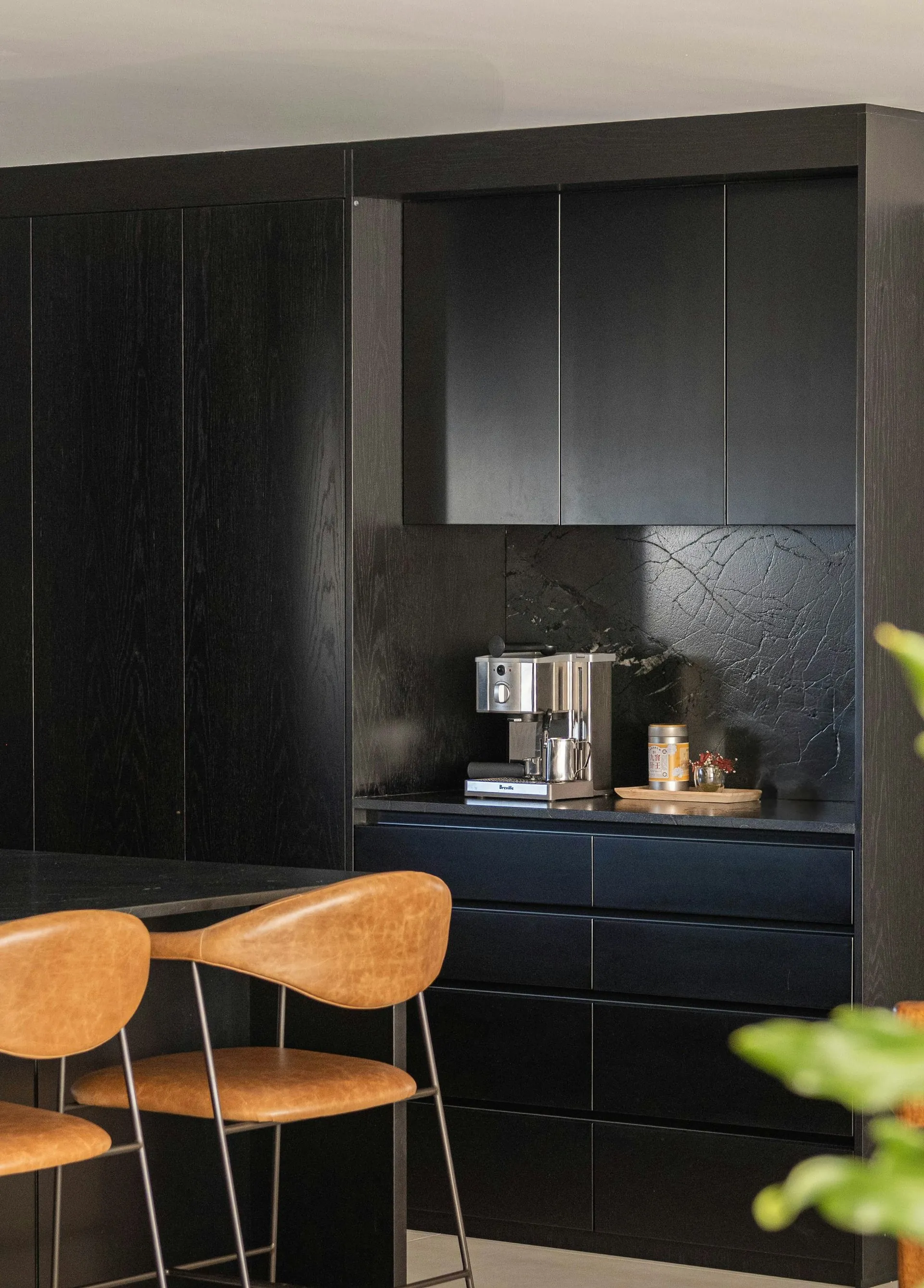
Appliance garage, hardware fitted before delivery

Specification
The same three answers,
on every quote.
Board thickness and moisture rating, edging method, hardware brand. Ours are printed on the quote so you can hold them against anything else you are offered.