Secondary residence rules
in the ACT.
Canberra draws a firm planning line between a secondary residence and a dual occupancy — and the two are assessed very differently.
The short answer
The ACT regulates a granny flat as a "secondary residence" — a second dwelling on a block that is subordinate to the principal dwelling, distinct from a dual occupancy, which is generally two dwellings of comparable standing on the one block assessed under different rules. A secondary residence has a defined maximum floor area under the Residential Zones Policy, alongside other siting and design provisions.
Secondary residence versus dual occupancy
This distinction decides which set of rules applies to your project. A secondary residence is clearly subordinate to the main house — smaller, secondary in status. A dual occupancy is generally two dwellings of comparable standing on the same block, assessed on different, generally stricter, planning terms. Getting the classification wrong at the outset can send a straightforward secondary-residence proposal down a much longer dual-occupancy assessment path.
The floor area limit, and what else counts
A secondary residence has a defined maximum size under current policy — but siting, setbacks and other provisions in the Residential Zones Policy also apply alongside the raw floor area figure. A design that fits under the size cap can still fail other siting requirements.
Where to check your specific block
Zoning and specific provisions for your block are available through the ACT's planning mapping tools and the Residential Zones Development Code — confirming your zone before designing avoids working to the wrong rule set entirely.
It stays subordinate to the principal dwelling
A secondary residence remains a second, smaller dwelling on the same block as the principal one — it does not become an independent equal dwelling, which is the entire distinction from a dual occupancy.
Last checked: 21 September 2026. General information, not planning or legal advice. Confirm current requirements with ACT Government Planning before you commit to a design.
Council rules for second dwellings
More in this series: Granny flat rules across Queensland · Granny flat rules in Rockhampton · Class 1a granny flats in Yeppoon · Isaac Regional: secondary dwellings · Mackay Regional: secondary dwellings · Whitsunday Regional: secondary dwellings · Renting out a granny flat in Rockhampton · Granny flat rules in NSW · Granny flat rules in Victoria · Ancillary dwelling rules in WA · Granny flat rules in SA · Secondary residence rules in Tasmania · Granny flat rules in the NT.
What the kitchen costs
From a kitchenette
to fully bespoke.
Supplied and installed in Central Queensland; shipped flat pack or assembled anywhere in Australia. Every figure is a real range, not a from-price with the catches left out.
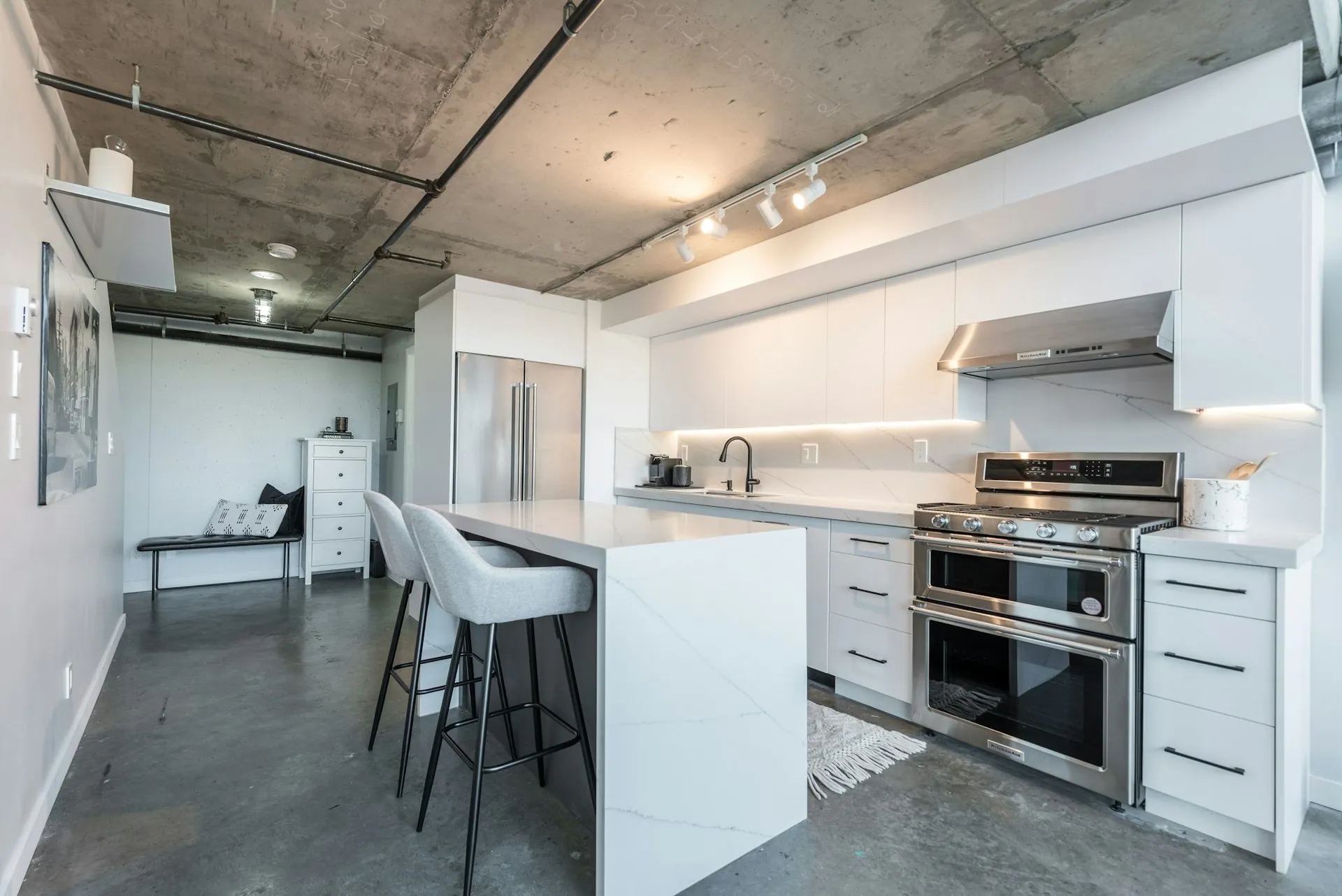
From $4,500
Kitchenette
For a studio, an under-house room or a short-stay unit. Sink, bench and cold storage; cooktop and microwave where they fit. Same carcasses and hardware as a full kitchen.
See what's included →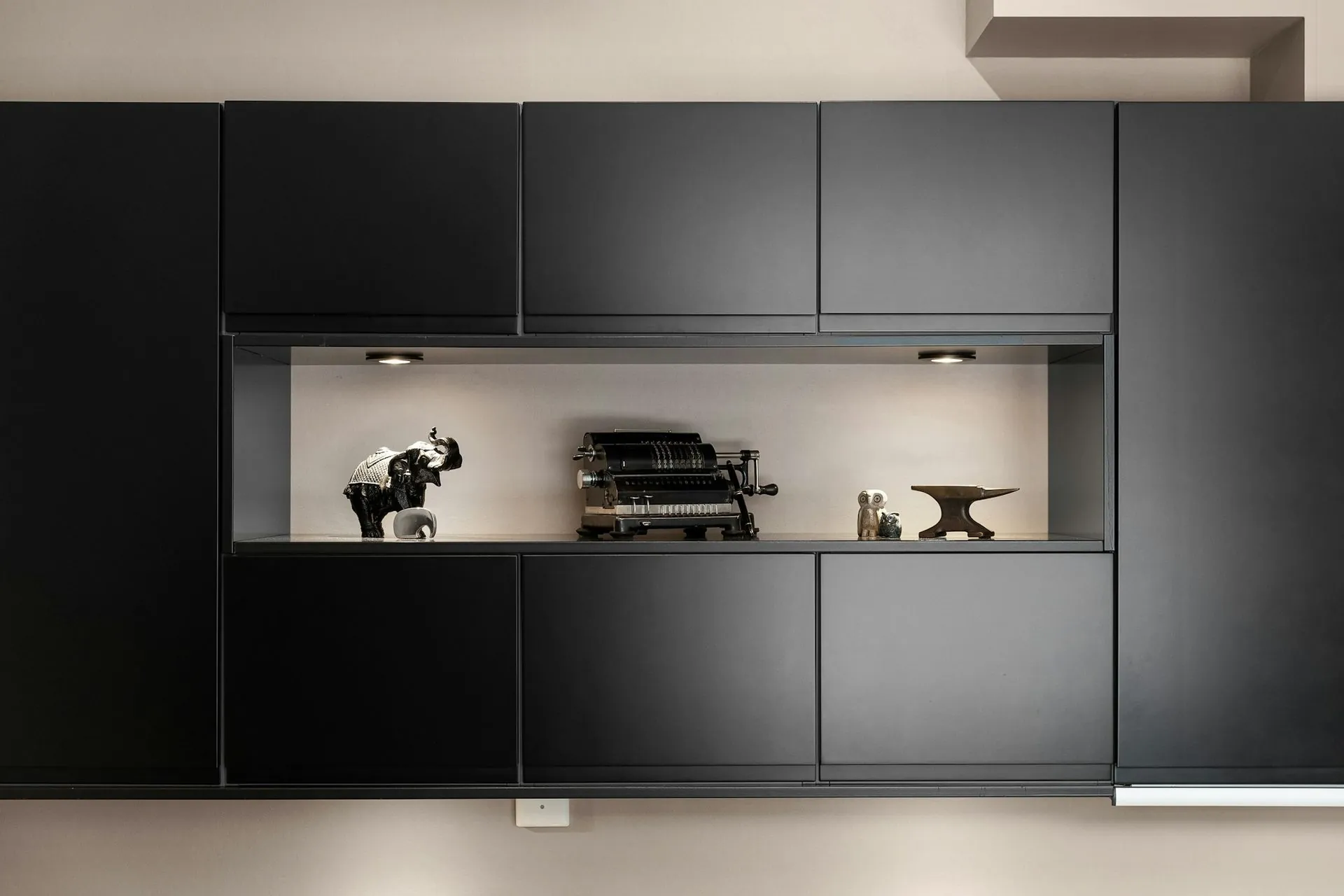
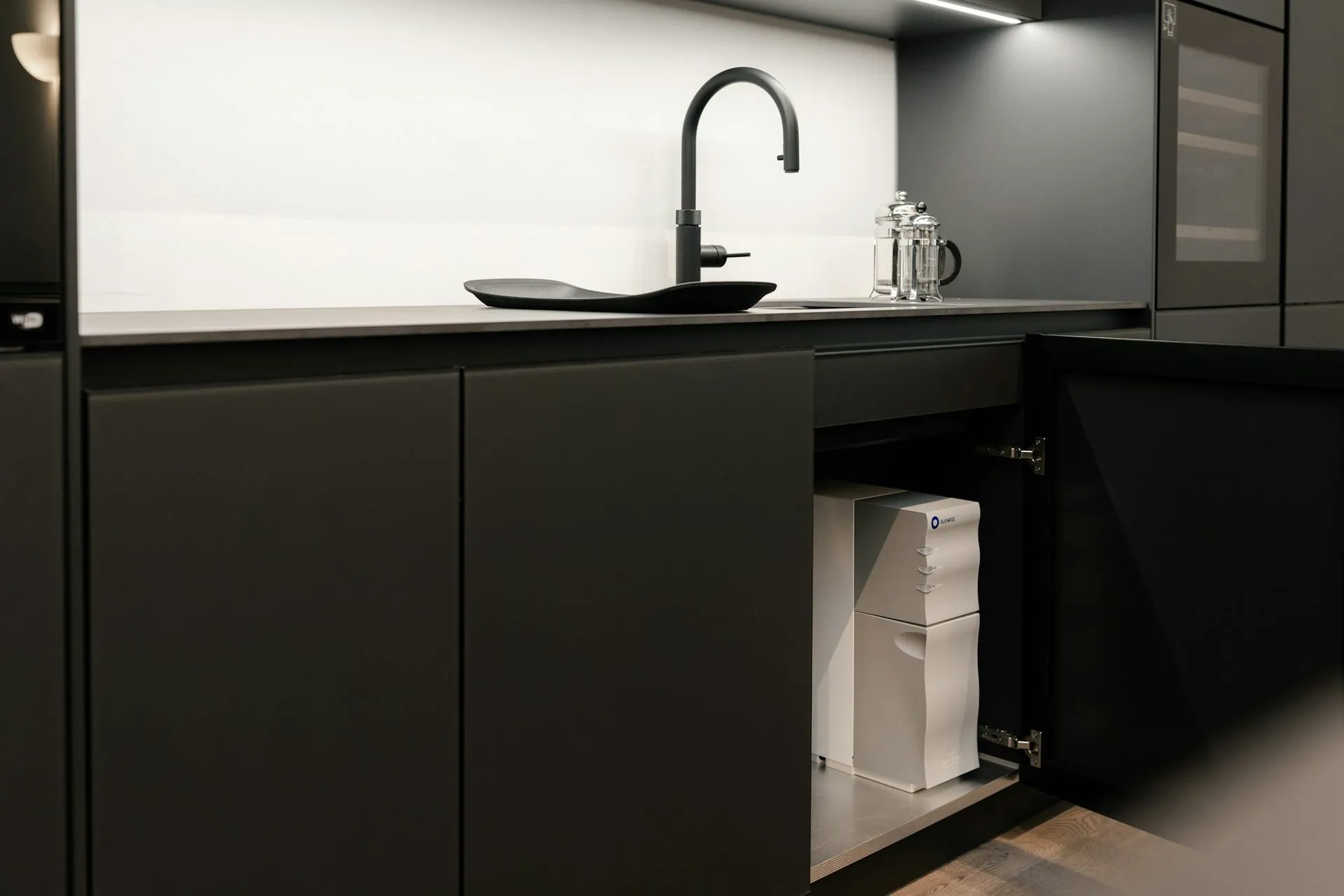
$15,000 – $23,000
Essence
Handleless, quiet, exact. Soft-matte doors on Blum soft-close runners with a stone benchtop. Our entry to bespoke, drawn to your room rather than picked from a catalogue.
See what's included →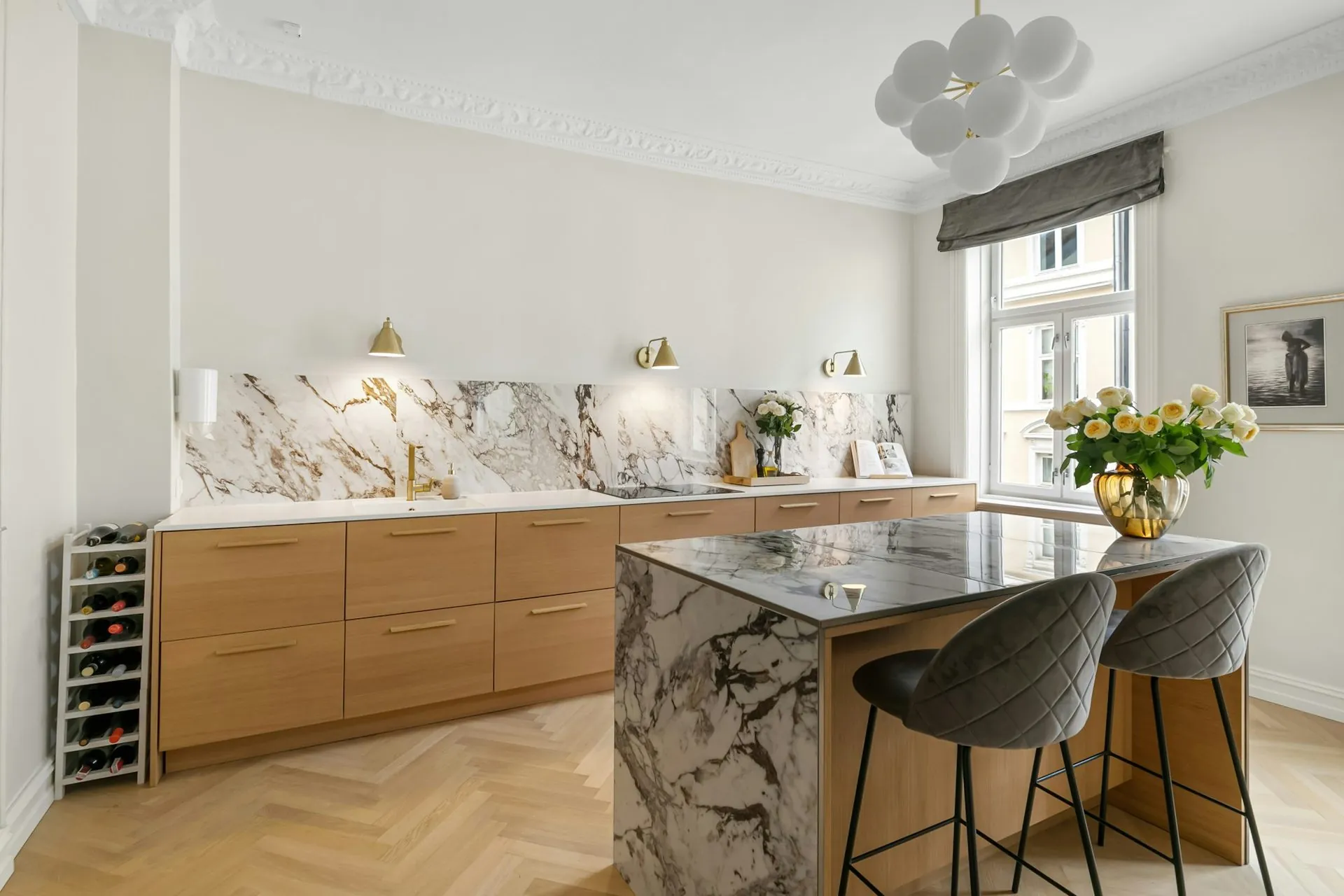
$26,000 – $42,000
Maison
What most Rockhampton families build. Timber veneer against a full-height stone splashback, a waterfall island, integrated lighting and a butler’s pantry behind a hidden door.
See what's included →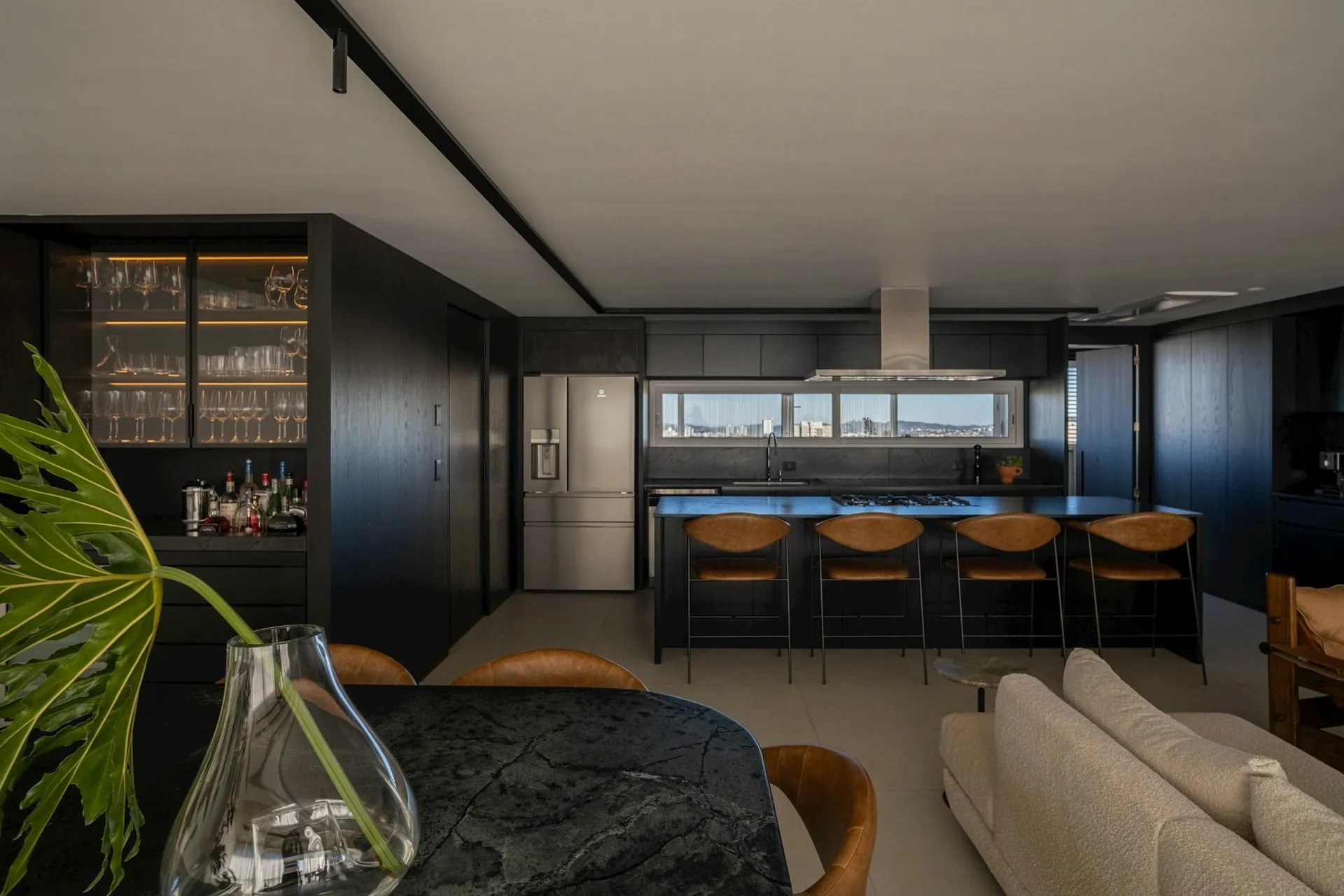
$47,000 +
Atelier
No constraints. Book-matched slabs, curved and fluted cabinetry, solid brass, wine walls and a pantry built like a jewellery box. One project at a time.
See what's included →Frequently asked
Common questions
If your question is not here, call the studio. We would rather talk it through than have you guess.
Ask us directly →What is a secondary residence in the ACT?
A second dwelling on a block that is subordinate — smaller and secondary in status — to the principal dwelling, distinct from a dual occupancy, which involves two dwellings of comparable standing.
How big can a secondary residence be in the ACT?
There is a defined maximum floor area under current Residential Zones Policy — confirm the current figure with ACT Government Planning, since policy settings are periodically reviewed.
What is the difference between a secondary residence and a dual occupancy in the ACT?
A secondary residence is clearly subordinate in size and status to the main house; a dual occupancy is generally two dwellings of comparable standing, assessed under different planning provisions.
Does a secondary residence in the ACT need council approval?
It requires assessment under the ACT planning system — the specific pathway depends on your zone and whether the proposal meets relevant codes.
Can a secondary residence in the ACT be rented out?
Confirm the current position for your specific approval with ACT Government Planning, since occupancy conditions can vary by approval type.
Delivered assembled
The assembly is done
before it arrives.
Carcasses built square on a bench, Blum hardware fitted, doors hung and adjusted to even gaps. On site you are fixing finished cabinets to a wall, not building them on the floor. Our own team fits it in Central Queensland; your installer fits it anywhere else in Australia. Prefer to build it yourself? The same kitchen ships flat pack.
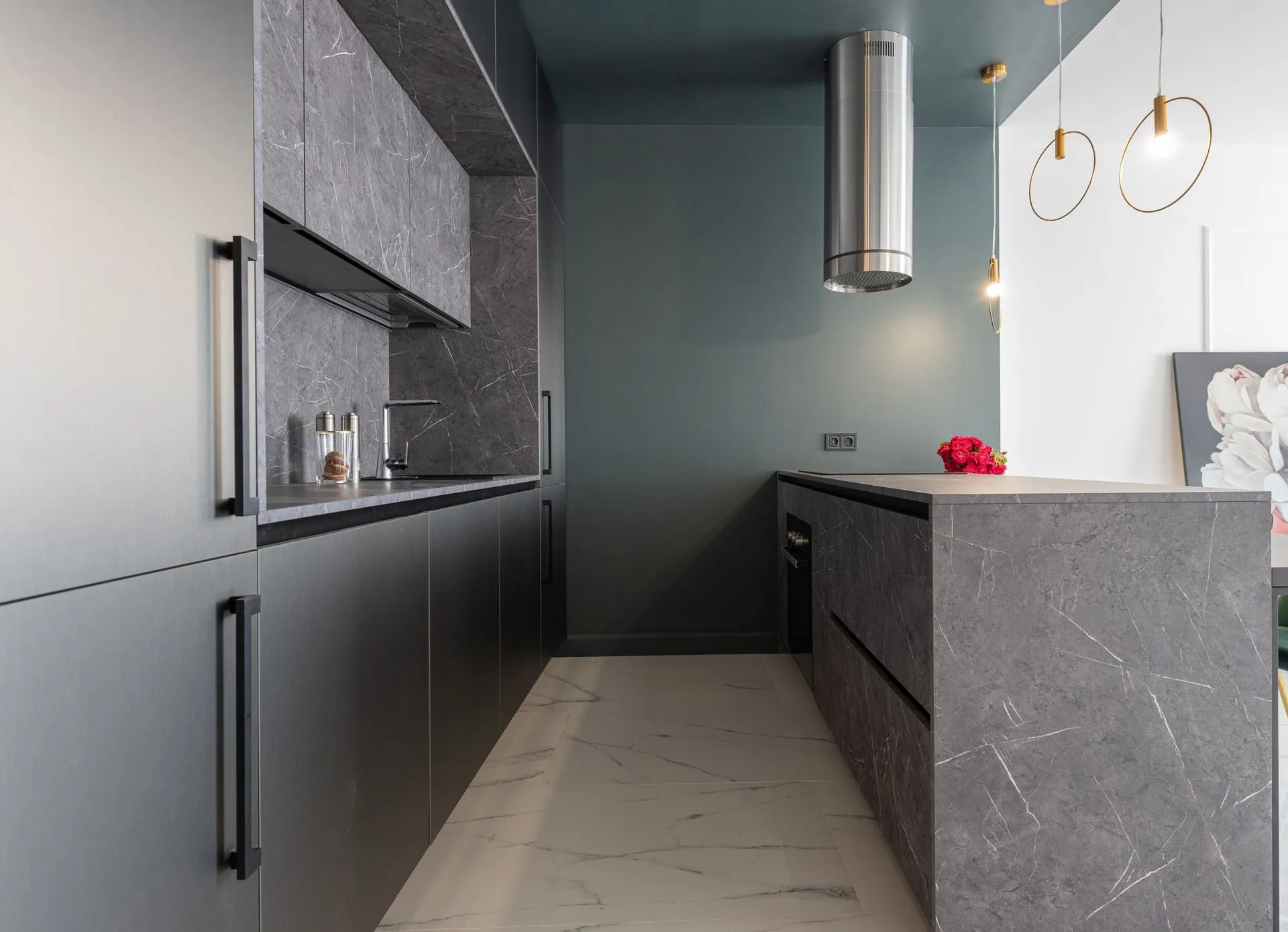
Galley layout for a narrow room
American oak and stone
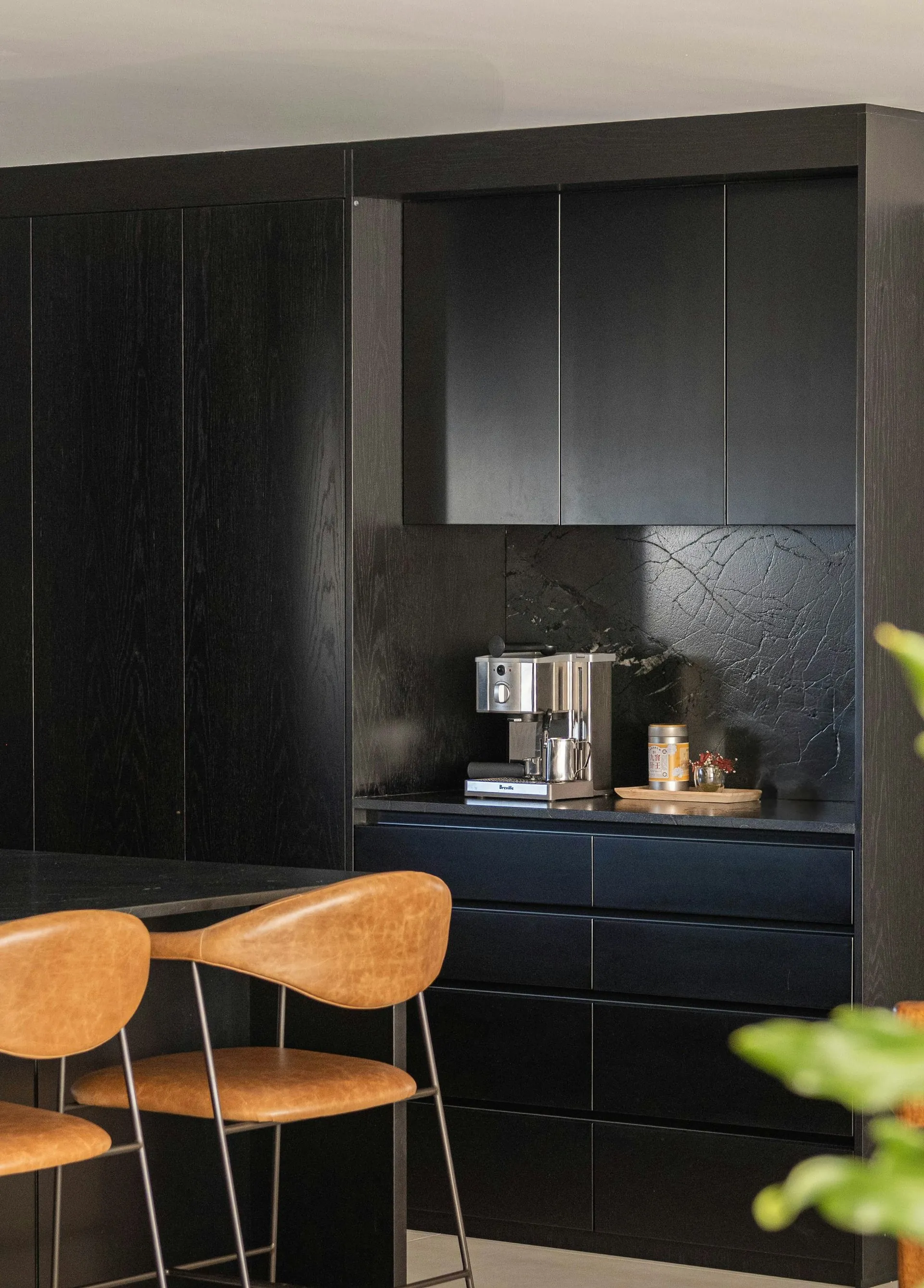
Appliance garage, hardware fitted before delivery
Anywhere in the ACT
Designed in Rockhampton.
Freighted to Canberra.
Cartons move through a standard doorway or lift where an assembled carcass will not — the same specification kitchen either way.