Granny flat rules
across Queensland.
There is no single Queensland granny flat rule. There is a framework, and then eighty councils applying it differently.
The short answer
Queensland has no statewide granny flat rule. A "secondary dwelling" is defined in the state planning framework, but whether one is permitted on your block — its size, whether it must stay attached, and whether it can be let to someone outside your household — is set by your local council’s planning scheme. Two adjoining councils routinely give different answers. Find yours before you design anything. We have council-specific pages for Rockhampton, Mackay, Isaac and the Whitsundays.
Secondary dwelling is the term to search
Councils rarely write "granny flat". The planning term is generally secondary dwelling: a self-contained dwelling on the same lot as a house, subordinate to it. Searching your council’s planning scheme for that phrase is the difference between finding the rules and concluding there are none. Dual occupancy is a different classification with different rules, and the two are confused constantly — a dual occupancy is generally two dwellings of comparable standing, which is assessed differently.
Why the answers differ between councils
Queensland planning operates through a state framework that each local government implements in its own scheme. That leaves real discretion over maximum floor area, whether the dwelling may be detached, setbacks, parking, and crucially who may occupy it. Advice that begins "in Queensland you can..." is almost always describing one council. Ask yours, about your specific address, and get it in writing.
The questions that decide your project
Is a secondary dwelling permitted on this lot? Is there a maximum floor area, and is it a fixed figure or a proportion of the main dwelling? Must it remain attached, or share services? May it be occupied by someone outside the household of the main dwelling? What parking is required? Is the lot in a flood, bushfire or other hazard overlay? Any single answer can end the project, and none of them can be answered by a builder or a website.
Building it and letting it are separate permissions
This is the one that costs people money. A secondary dwelling can be entirely lawful to build and still be restricted to family occupation, which removes the rental income the business case assumed. If the project only works with a tenant, settle this first — the guide on renting one out covers the arithmetic and what to ask.
Council decides planning, a certifier decides building
Two separate approvals. The council answers whether the use is permitted on that land. A private building certifier assesses whether what you propose meets the building code, including the classification. You will generally deal with both, and ringing a certifier early is worth doing because they will tell you in one call whether the idea is straightforward.
Conversions are assessed as reclassification
Enclosing under a high-set house, or converting a shed or garage, is a change of building classification from non-habitable to a dwelling. It is assessed as building work against the standards of somewhere people live — ceiling height, ventilation, light, egress and services. See the conversion guide and, for the Rockhampton version specifically, granny flat rules in Rockhampton.
What the kitchen has to be
If the dwelling is approved as a dwelling, it generally needs the facilities of one: a sink, a cooking facility, a bench and storage. A kitchenette usually will not satisfy that, which is worth knowing before you budget for one. Confirm the requirement with your certifier against your approval rather than assuming it.
Last checked: September 2026. General information, not building, legal or planning advice. Every Queensland council applies its own planning scheme and the rules change without notice — confirm with your council, or a building certifier, before you commit to anything.
What the kitchen costs
From a kitchenette
to fully bespoke.
Supplied and installed in Central Queensland; shipped flat pack or assembled anywhere in Australia. Every figure is a real range, not a from-price with the catches left out.
From $4,500
Kitchenette
For a studio, an under-house room or a short-stay unit. Sink, bench and cold storage; cooktop and microwave where they fit. Same carcasses and hardware as a full kitchen.
See what's included →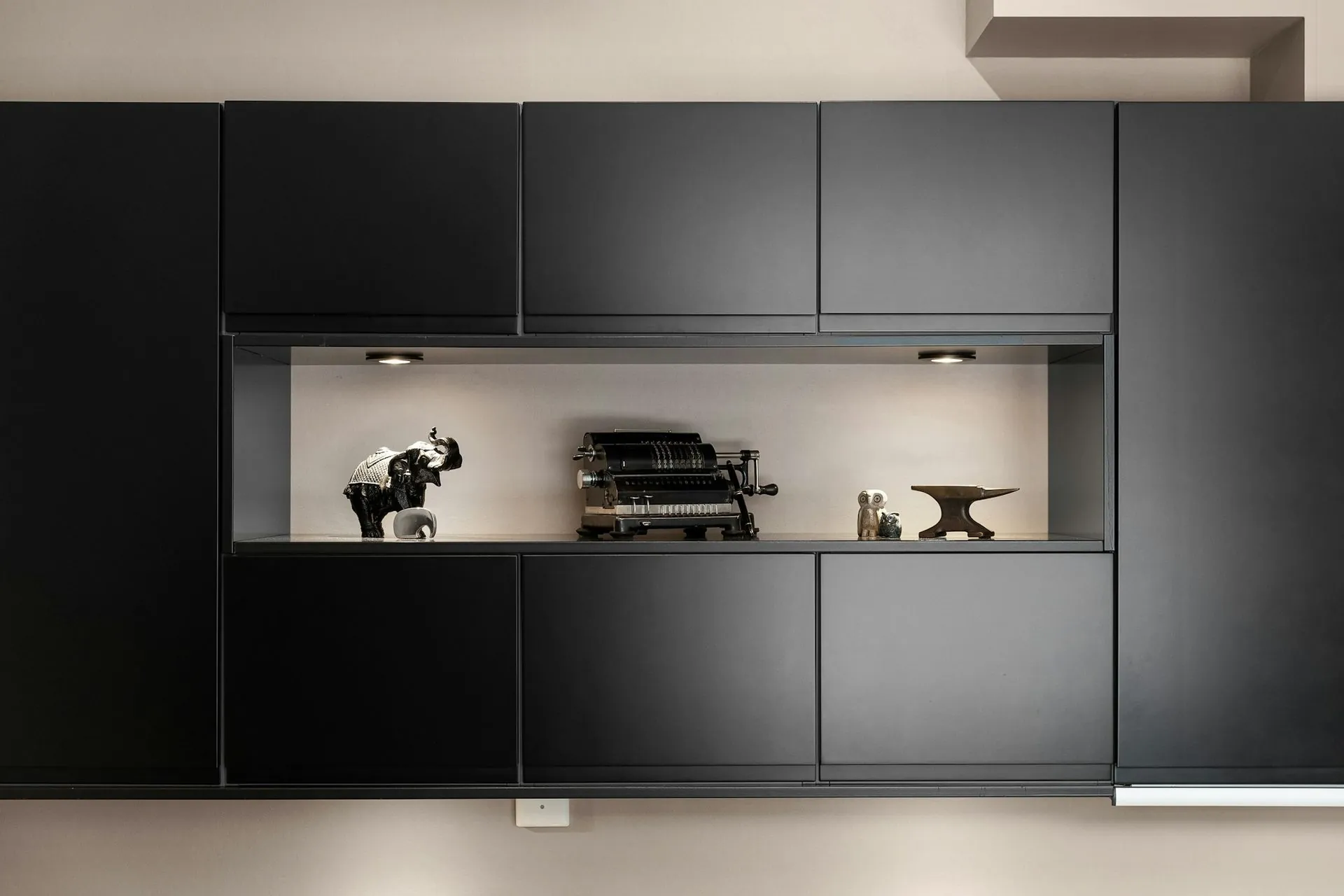
$15,000 – $23,000
Essence
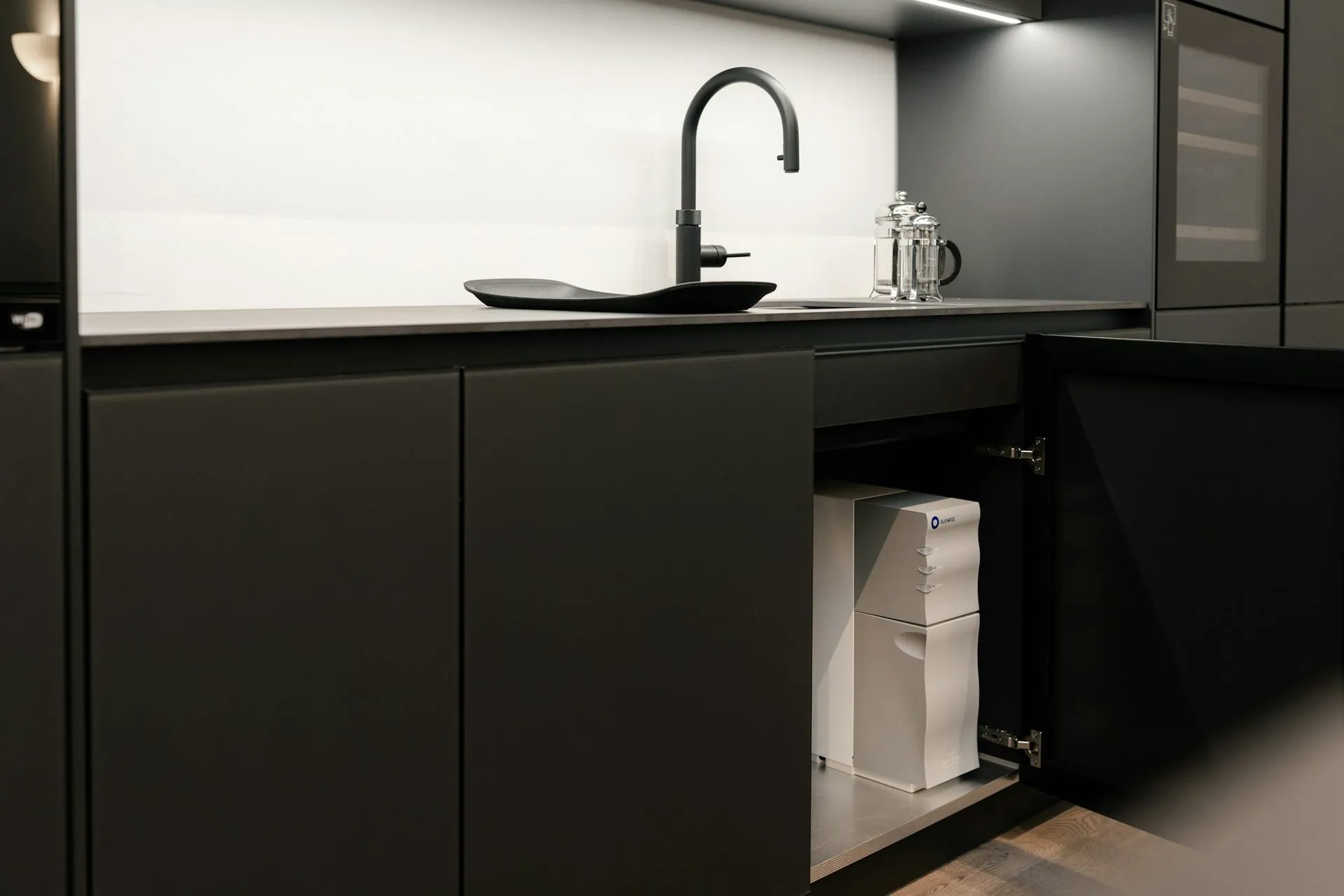
Handleless, quiet, exact. Soft-matte doors on Blum soft-close runners with a stone benchtop. Our entry to bespoke, drawn to your room rather than picked from a catalogue.
See what's included →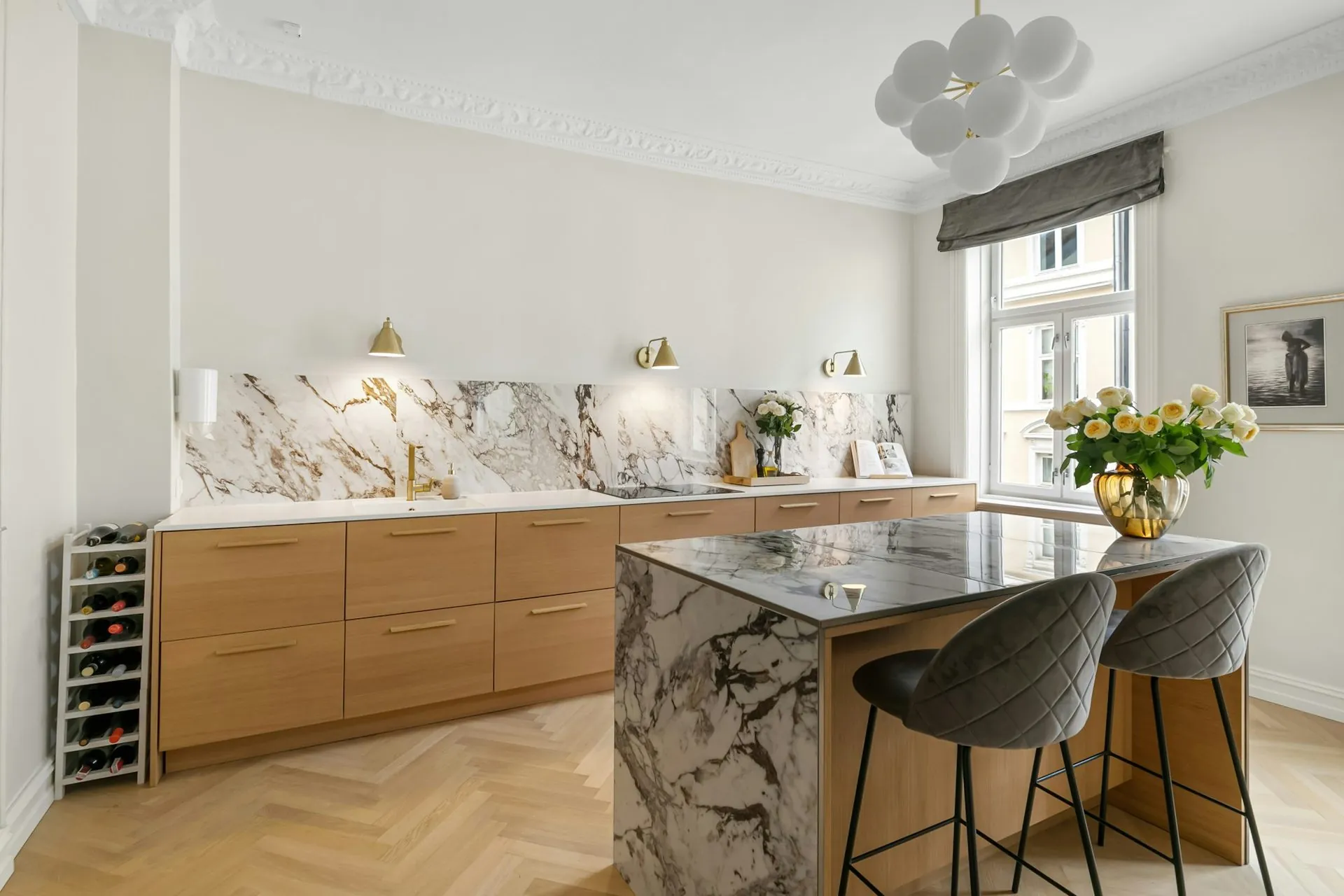
$26,000 – $42,000
Maison
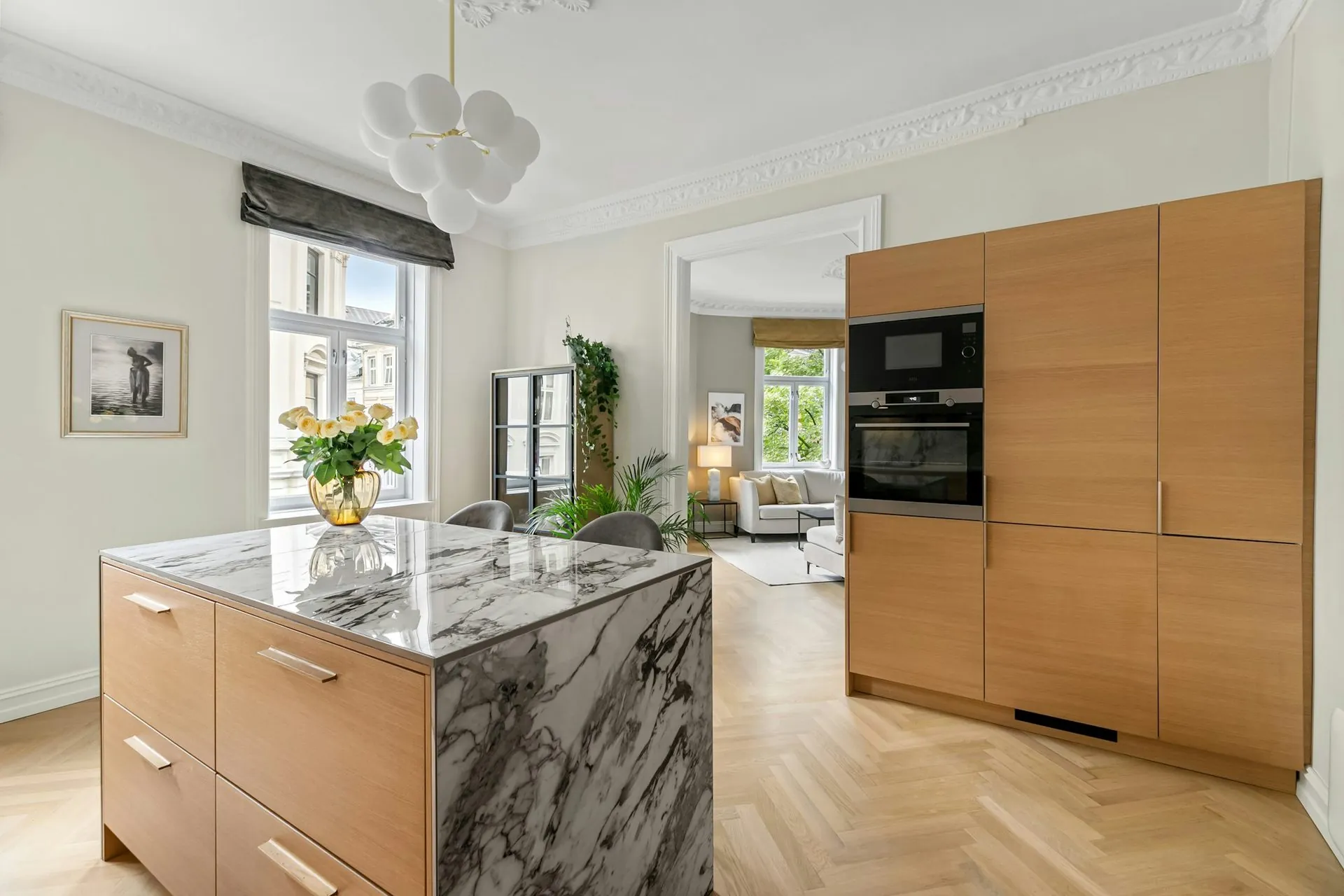
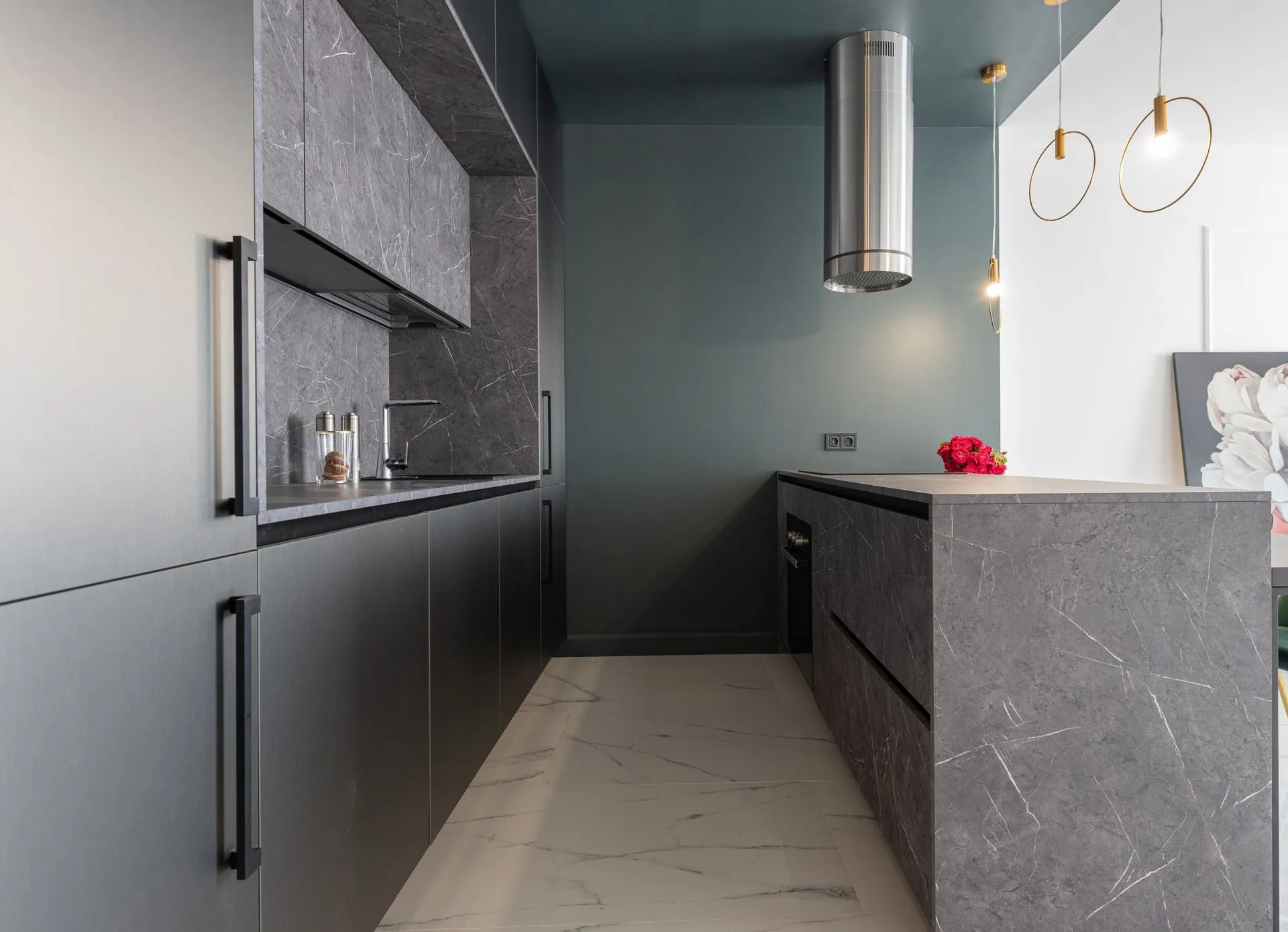
What most Rockhampton families build. Timber veneer against a full-height stone splashback, a waterfall island, integrated lighting and a butler’s pantry behind a hidden door.
See what's included →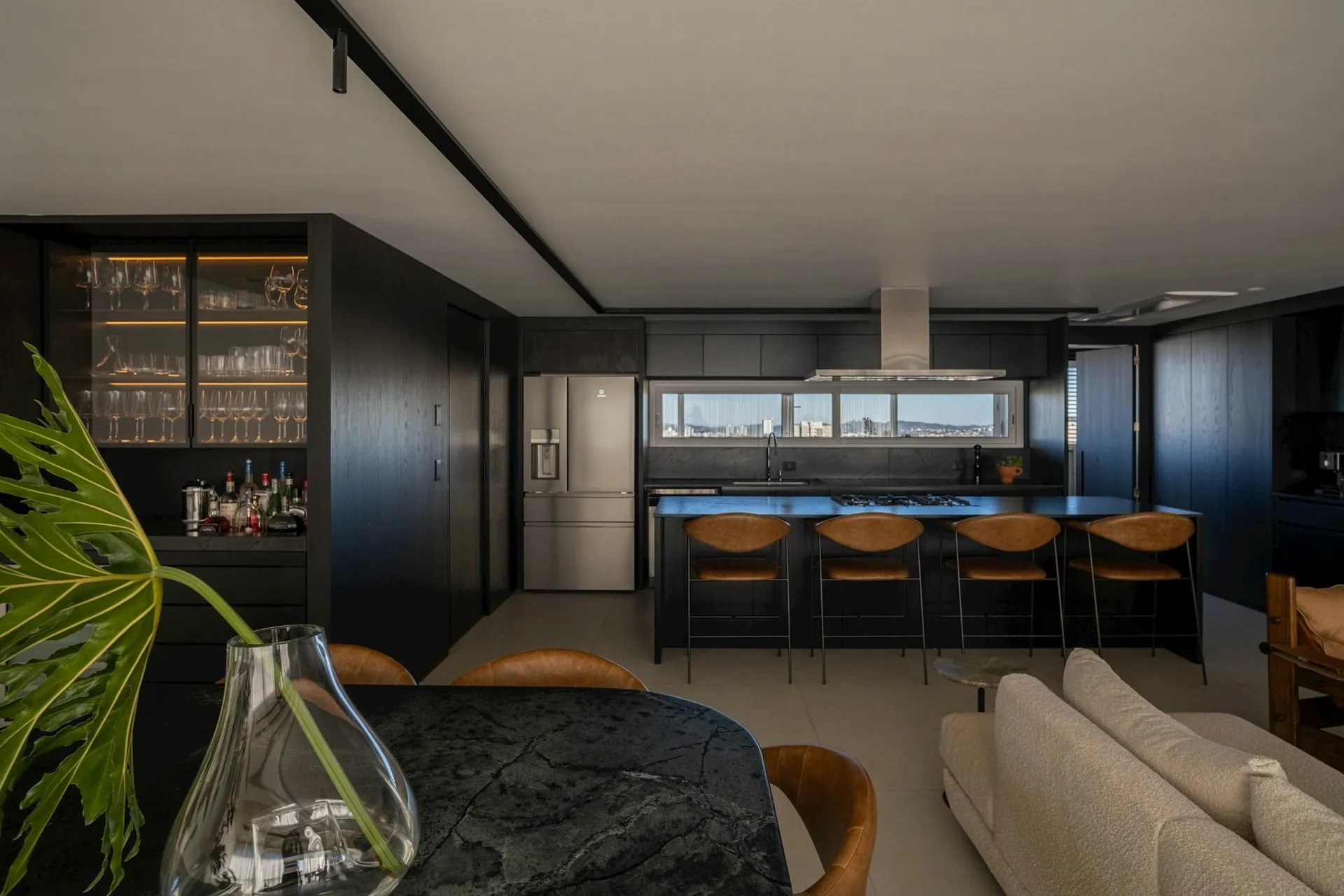
$47,000 +
Atelier
No constraints. Book-matched slabs, curved and fluted cabinetry, solid brass, wine walls and a pantry built like a jewellery box. One project at a time.
See what's included →Frequently asked
Common questions
If your question is not here, call the studio. We would rather talk it through than have you guess.
Ask us directly →What are the granny flat rules in Queensland?
There is no single statewide rule. The state framework defines a secondary dwelling, and each council sets whether one is permitted on a given lot, how large it may be, and who may occupy it. Check your own council’s planning scheme for "secondary dwelling".
What is a secondary dwelling in Queensland?
Generally a self-contained dwelling on the same lot as a house and subordinate to it. It is the planning term councils use, and it is what to search for rather than "granny flat". Dual occupancy is a different classification with different rules.
Can I rent out a granny flat in Queensland?
It depends on your approval. Some councils permit separate tenancy, others restrict occupation to the household of the main dwelling. Because this decides whether the project pays for itself, confirm it before you commit.
Do granny flat rules differ between councils?
Substantially, and adjoining councils frequently differ. Any advice that starts "in Queensland you can" is describing one council. Ask yours about your specific address, in writing.
Does a secondary dwelling need a full kitchen?
If approved as a dwelling, generally yes — a sink, cooking facility, bench and storage rather than a kitchenette. Your building certifier confirms the requirement against the approved classification.
Delivered assembled
The assembly is done
before it arrives.
Carcasses built square on a bench, Blum hardware fitted, doors hung and adjusted to even gaps. On site you are fixing finished cabinets to a wall, not building them on the floor. Our own team fits it in Central Queensland; your installer fits it anywhere else in Australia. Prefer to build it yourself? The same kitchen ships flat pack.
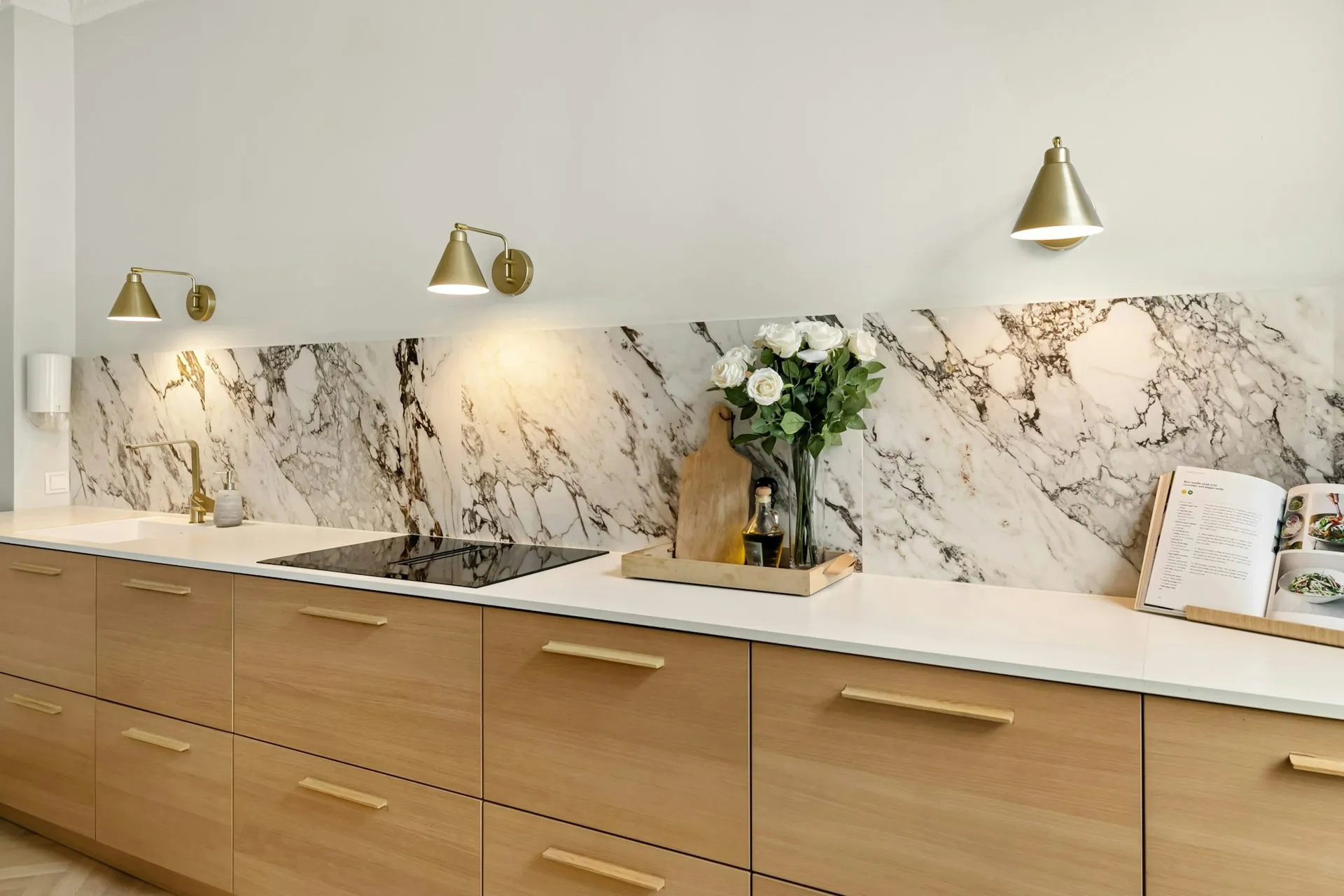
Oak run, doors hung and adjusted before delivery
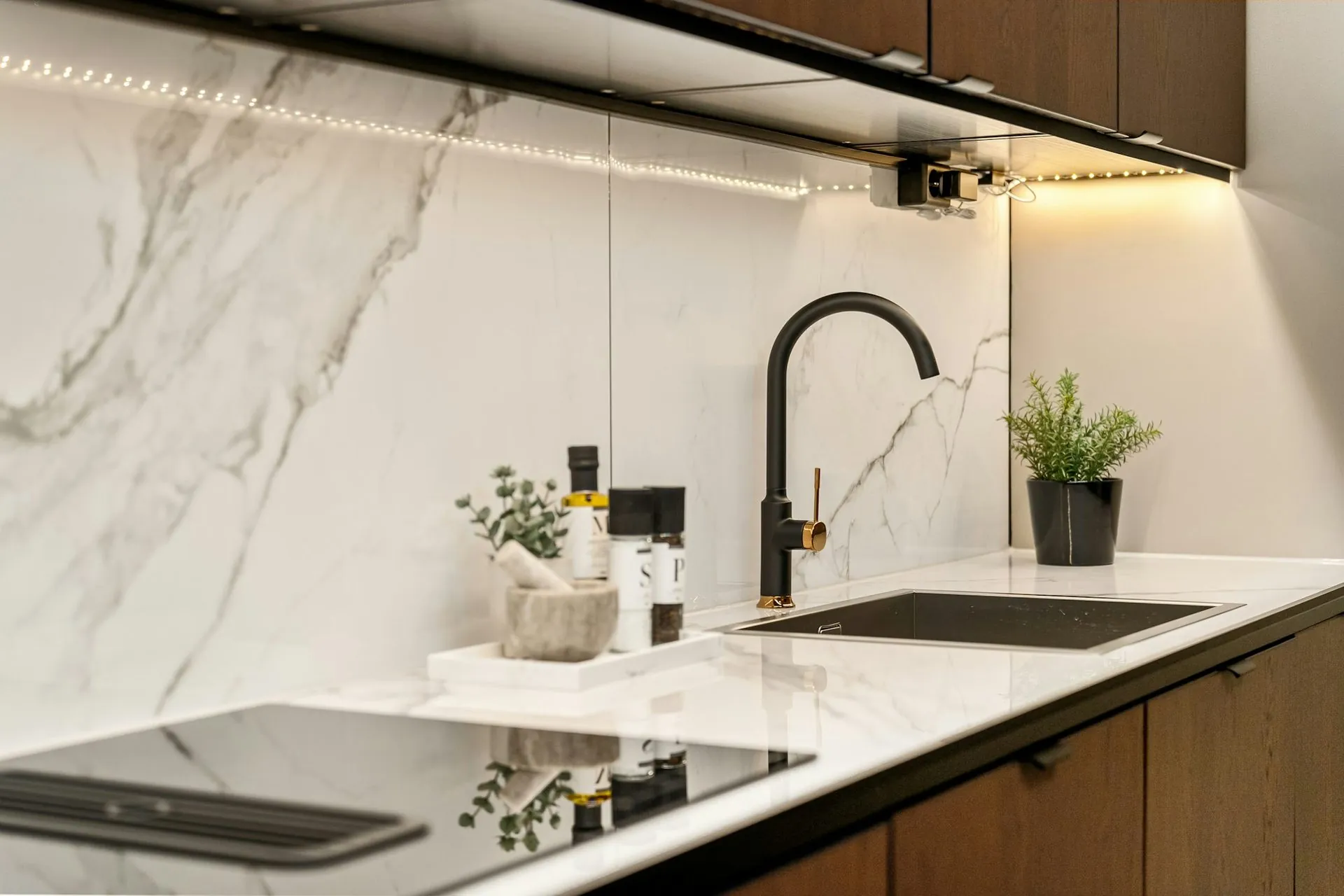
Full-height stone splashback
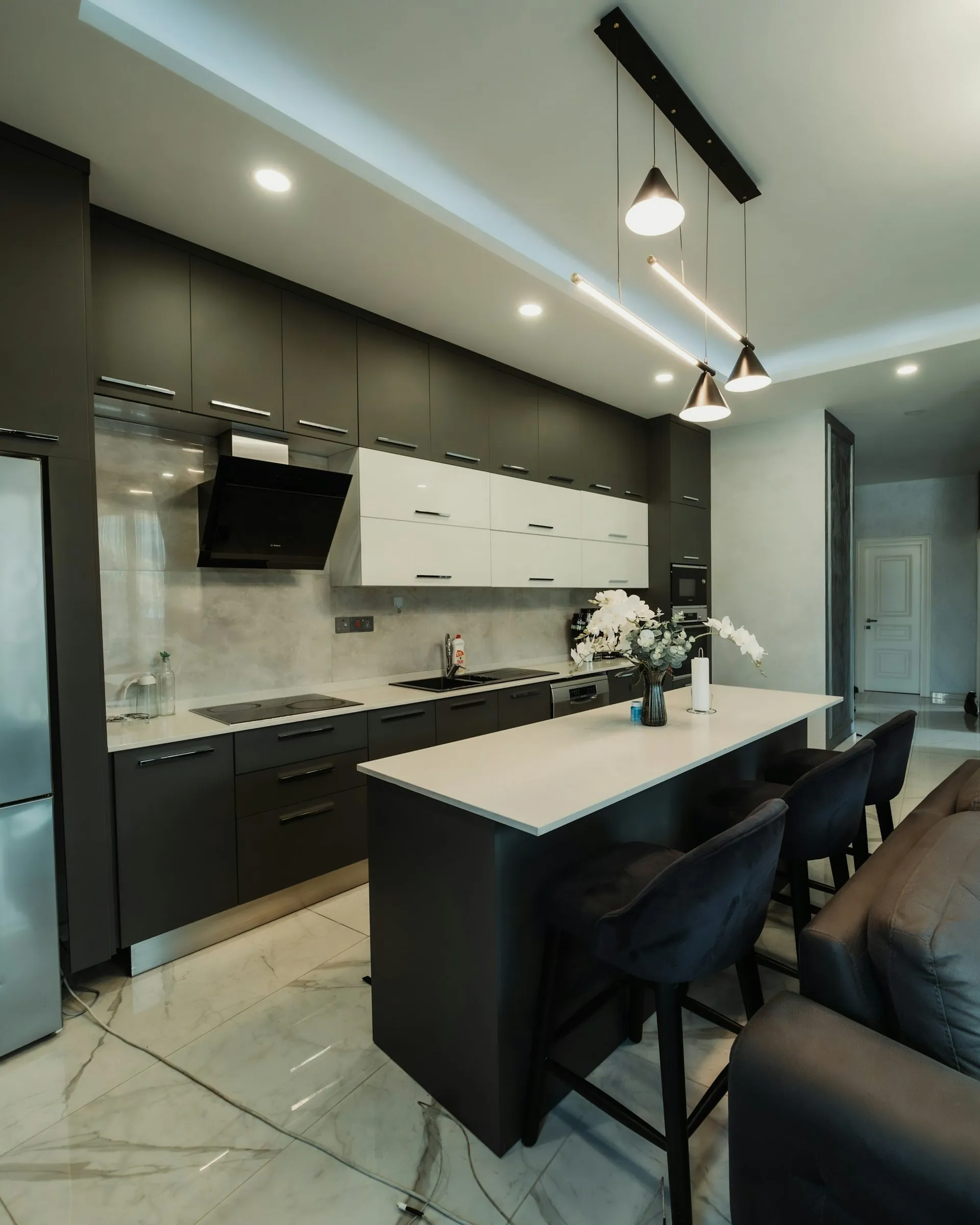
Long island, one delivery
Anywhere in Queensland
Install in Central Queensland.
Supply everywhere else.
Within about 150km of Rockhampton our own team installs. Beyond that we design it, deliver it assembled and provide the service drawings for your builder. Fixed and itemised either way.