Getting a supplied kitchen
installed properly.
Three trades, in a fixed order, each licensed for their part. It is not complicated, but the sequence matters and the paperwork matters more than people expect.
The short answer
You need three trades: an installer to fit the cabinetry and benchtop, a licensed plumber for the sink, dishwasher and any tap, and a licensed electrician for the oven, cooktop, rangehood and power. They work in a fixed order — rough-in, cabinetry, benchtop template and install, then fit-off — and you should end the job holding the plumbing and electrical compliance paperwork. Check every licence on the QBCC register before anyone starts.
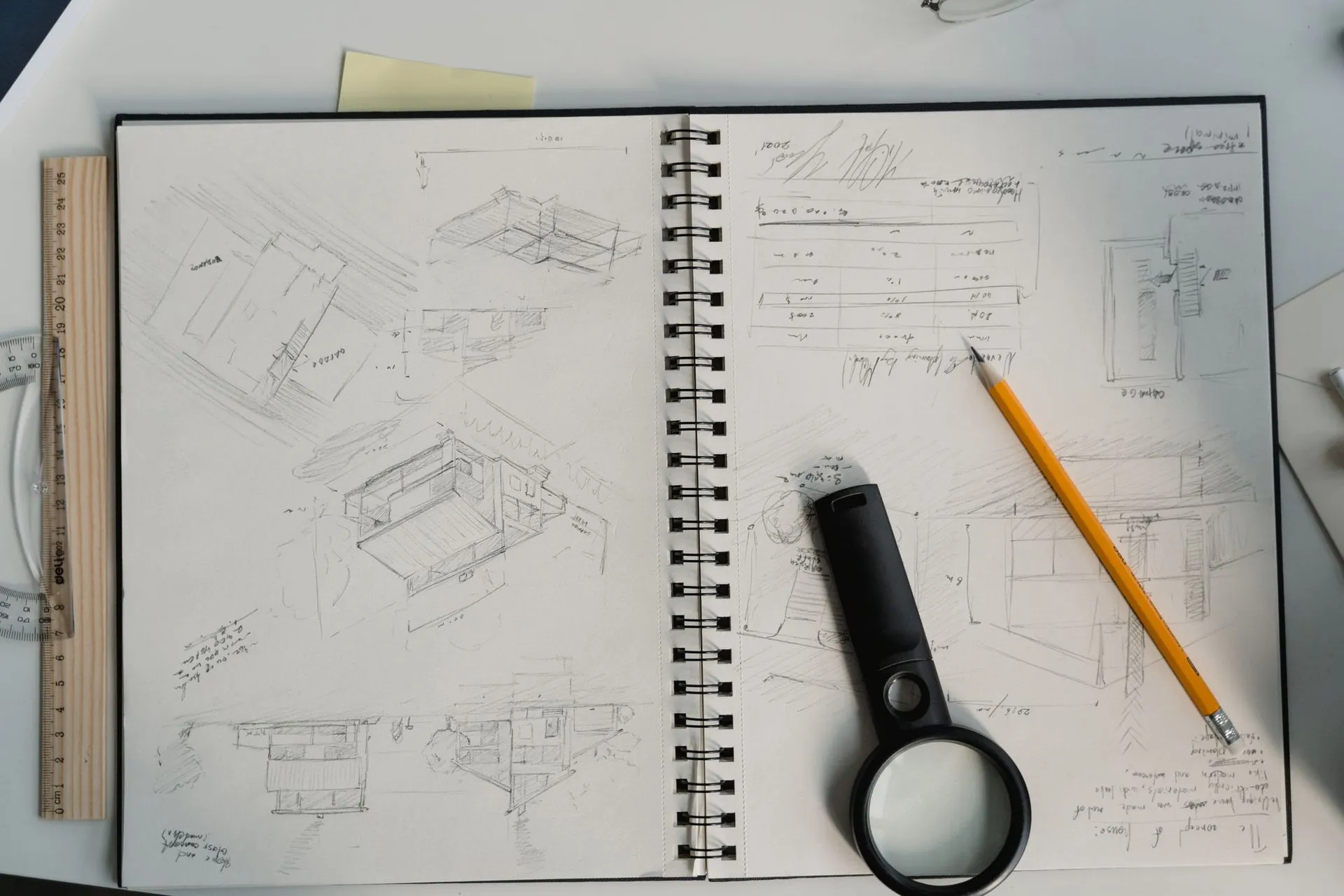
The three trades, and who does what
The installer fits the cabinetry, fixes it to the wall and floor, scribes it to the room, fits the benchtop and hangs and adjusts doors. This is usually a carpenter, a cabinet installer or a kitchen fitter, and for most jobs it does not require a specific licence beyond what the value of the work triggers — check with the QBCC licence register. The plumber handles the sink, tap, dishwasher connection and any water point, and must be licensed. The electrician handles the oven, cooktop, rangehood, lighting and power points, and must be licensed. Those two are not optional and not negotiable.
The order is fixed, and it matters
Rough-in first: the plumber and electrician bring services to where the drawings say, before any cabinetry is on site. Then the cabinetry goes in. Then the benchtop is templated — measured off the installed cabinets — and made, which for stone means a fabricator and usually a week or more. Then the benchtop is installed. Then the plumber and electrician return for fit-off: sink, tap, dishwasher, appliances, power. Get this order wrong and you pay twice, because a benchtop templated before the cabinets are level does not fit.
What we hand over
Cabinetry delivered assembled — carcasses built, doors hung and adjusted, hardware fitted — so your installer is fitting a kitchen rather than building one on the floor first. And a full set of dimensioned service drawings: where every waste comes up, every water point, every outlet and every appliance connection. Hand those to your plumber and electrician before rough-in. Services placed to a guess and then a cabinet modified on site is where supply jobs actually lose money, and the drawings are what prevent it.
How to find them
Ask your builder first if you have one; most have trades they use repeatedly. Otherwise, a local kitchen company that installs but does not supply is often glad of the work, and a cabinet installer will usually know a plumber and electrician they work alongside. Trade directories work but verify independently. In a smaller town, ask at the hardware store — they know who turns up and who does not.
Check the licence before they start
Ask for the licence number and check it yourself rather than taking the card at face value: the QBCC licence register covers building and plumbing licences, and the Electrical Safety Office covers electrical. It takes a minute. An unlicensed plumber or electrician is not a saving — the work can fail inspection, void your insurance, and surface in a building and pest report when you sell. Ask for evidence of insurance at the same time.
The questions worth asking
Have you fitted assembled cabinetry before, or only flat pack? Do you template stone yourself or use a fabricator, and who is that? How many days on site, and are they consecutive? What do you need from me before you start — power on, floor down, walls finished? What paperwork will I get at the end? A trade who answers those clearly is telling you something; one who is vague on two of them is telling you more.
What you should be holding when it is done
From the plumber, the compliance paperwork Queensland requires for the work. From the electrician, a certificate confirming the work was tested. From the installer, ideally a written note of what was fitted. Keep all of it. It is asked for at sale, it matters to an insurance claim, and it is the difference between a documented kitchen and an argued one.
Timing and site readiness
The cabinetry cannot go in until the floor is down, the walls are finished and painted, and rough-in is complete. Assembled cabinetry takes more room to store than cartons, so have somewhere dry and secure if delivery lands before the site is ready. Tell us your real programme rather than your hoped-for one — we would rather hold the order than deliver into a house with no floor. Our measuring guide covers what to get right before any of this starts.
Last checked: September 2026. General guidance, not building advice. Licensing requirements and paperwork are set by the regulators linked above and change — confirm the current position with them or a building certifier.
Frequently asked
Common questions
If your question is not here, call the studio. We would rather talk it through than have you guess.
Ask us directly →Who installs a supplied kitchen?
An installer — carpenter, cabinet installer or kitchen fitter — for the cabinetry and benchtop, plus a licensed plumber and a licensed electrician for their parts. The plumber and electrician are required regardless of who fits the cabinets.
What order do the trades work in?
Rough-in (plumber and electrician bring services to the drawings), cabinetry installation, benchtop template and fabrication, benchtop installation, then plumbing and electrical fit-off. The benchtop must be templated off the installed cabinets, so the order cannot be shuffled.
How do I check a tradesperson is licensed?
Ask for the licence number and look it up yourself on the QBCC register for building and plumbing, or the Electrical Safety Office for electrical. It takes a minute and it is worth doing every time.
What paperwork should I get at the end?
The plumbing compliance paperwork Queensland requires, a certificate from the electrician confirming the work was tested, and ideally a written record from the installer. Keep all of it — it matters at sale and for insurance.
Can I install the cabinetry myself?
Often, for the cabinetry itself, if you are capable and have the time — it arrives assembled, so you are fitting rather than building. The plumbing and electrical must still be done by licensed trades. If you are managing it as an owner-builder, see our guide to owner-builder permits for what that involves.
Delivered assembled
The assembly is done
before it arrives.
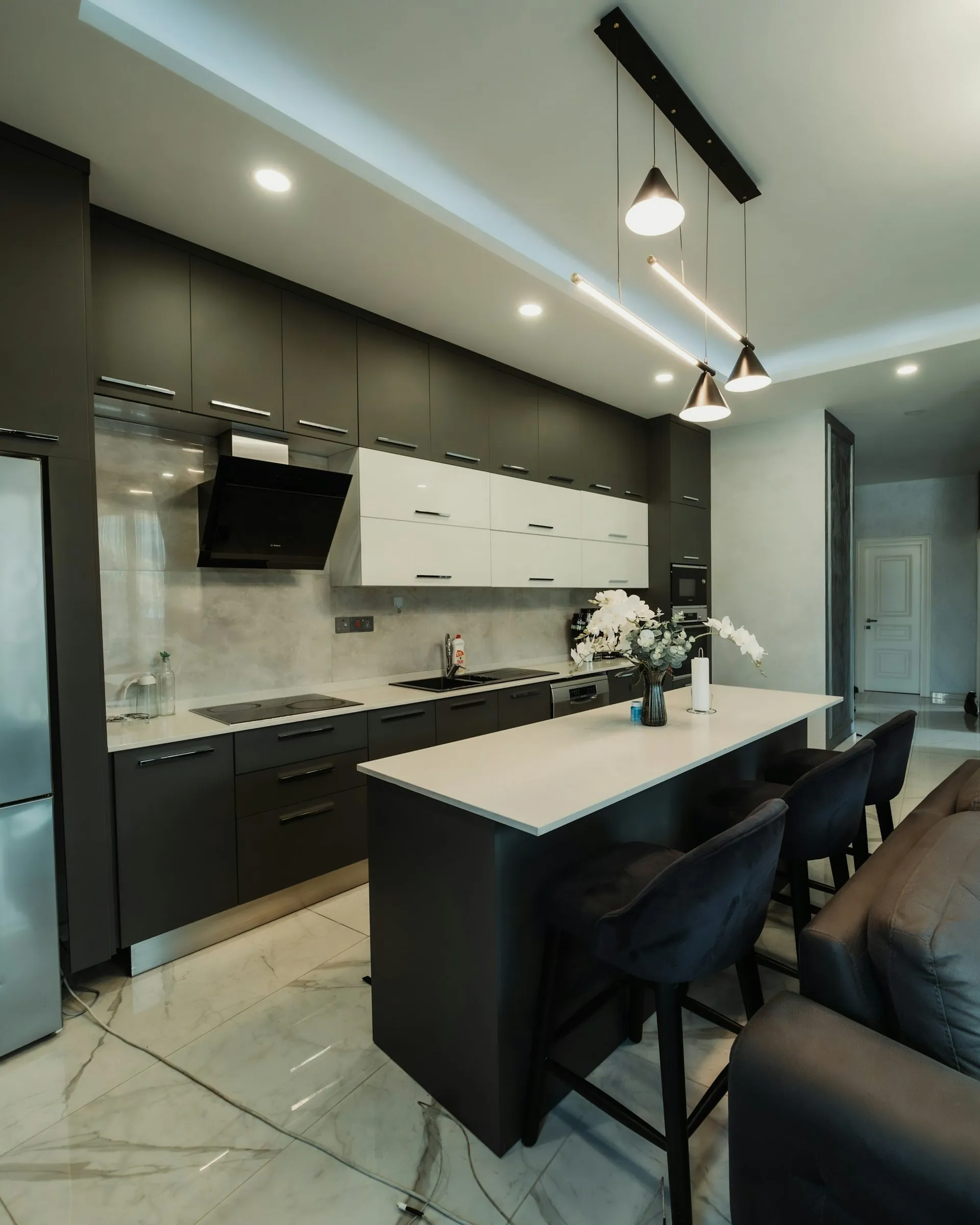
Carcasses built square on a bench, Blum hardware fitted, doors hung and adjusted to even gaps. On site you are fixing finished cabinets to a wall, not building them on the floor. Our own team fits it in Central Queensland; your installer fits it anywhere else in Australia. Prefer to build it yourself? The same kitchen ships flat pack.

Handleless rail on an assembled run

Appliance garage, hardware fitted before delivery

A long run arrives as numbered assembled units
Supply only
We build it.
Your trades fit it.
Send us the dimensions and we will quote the cabinetry delivered assembled, with the service drawings your plumber and electrician need to rough in correctly the first time.