Where the waste
actually happens.
Not just the finished kitchen — the offcuts, the packaging and what eventually happens when it is replaced.
The short answer
Waste in a kitchen order happens in three places: board offcuts during manufacture, packaging for freight, and the eventual disposal of the old kitchen being replaced. Cutting to a precise drawing rather than standard catalogue sizes generally reduces offcut waste, since panels are sized to your room rather than trimmed down from a fixed module. Packaging and end-of-life disposal are worth asking any supplier about directly rather than assuming.
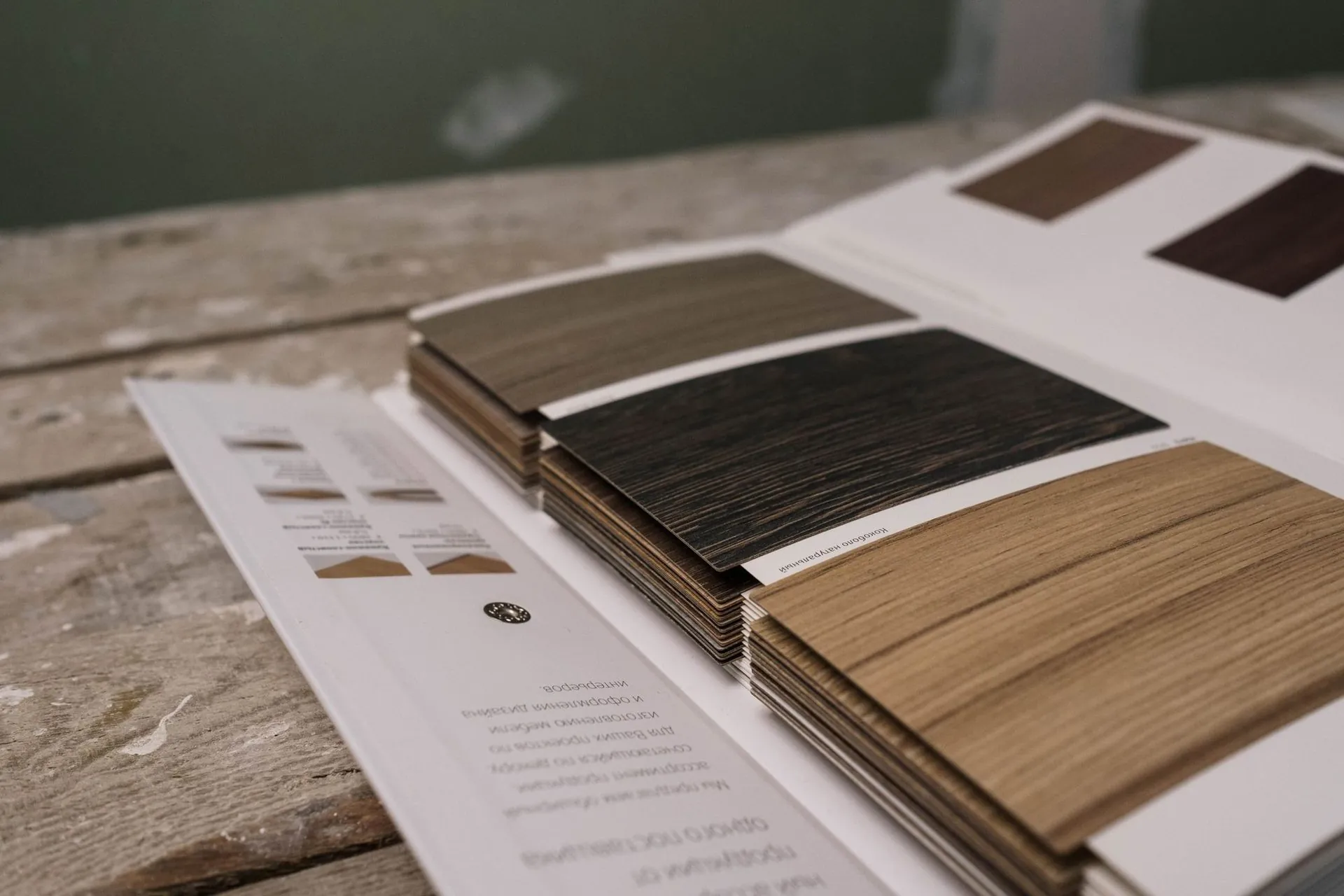
Offcuts during manufacture
Cutting every carcass to your specific drawing, rather than trimming standard catalogue-width panels down to fit, generally produces less offcut waste per kitchen, since less material is cut away to begin with.
Packaging for freight
Flat pack cartons use more packaging material per kitchen than an assembled delivery, which is a genuine trade-off against the freight-volume saving — see is flat pack furniture bad for the environment. Ask your supplier what the packaging is made from and whether it is recyclable in your area.
End-of-life disposal
A kitchen replaced after fifteen or twenty years of genuine use generates far less lifetime waste than one replaced after five due to a failed carcass — see how long do flat pack kitchens last for why specification quality is itself a waste consideration, not just a durability one.
Sustainability, warranty & compliance
More in this series: E0 vs E1 board explained · Is flat pack furniture bad for the environment? · Blum hardware warranty explained · Kitchen cabinet warranty: what to check · Bushfire rebuild kitchen supply.
Frequently asked
Common questions
If your question is not here, call the studio. We would rather talk it through than have you guess.
Ask us directly →Does cutting a kitchen to a custom drawing reduce waste?
Generally yes — panels sized to your specific room produce less offcut than trimming standard catalogue widths down to fit.
Is flat pack packaging recyclable?
It depends on the specific materials used — ask your supplier directly what the packaging is made from and whether it is recyclable through your local council.
Is a longer-lasting kitchen more sustainable than a cheaper one?
Generally, yes — a kitchen that lasts fifteen to twenty years before replacement produces considerably less lifetime waste than one replaced every five to eight years due to a failed carcass or hardware.
What should I ask a supplier about cabinetry waste?
How panels are cut (custom drawing versus standard modules), what the freight packaging is made from and whether it is recyclable, and what board emission rating is used — see E0 vs E1 board explained.
Delivered assembled
The assembly is done
before it arrives.
Carcasses built square on a bench, Blum hardware fitted, doors hung and adjusted to even gaps. On site you are fixing finished cabinets to a wall, not building them on the floor. Our own team fits it in Central Queensland; your installer fits it anywhere else in Australia. Prefer to build it yourself? The same kitchen ships flat pack.
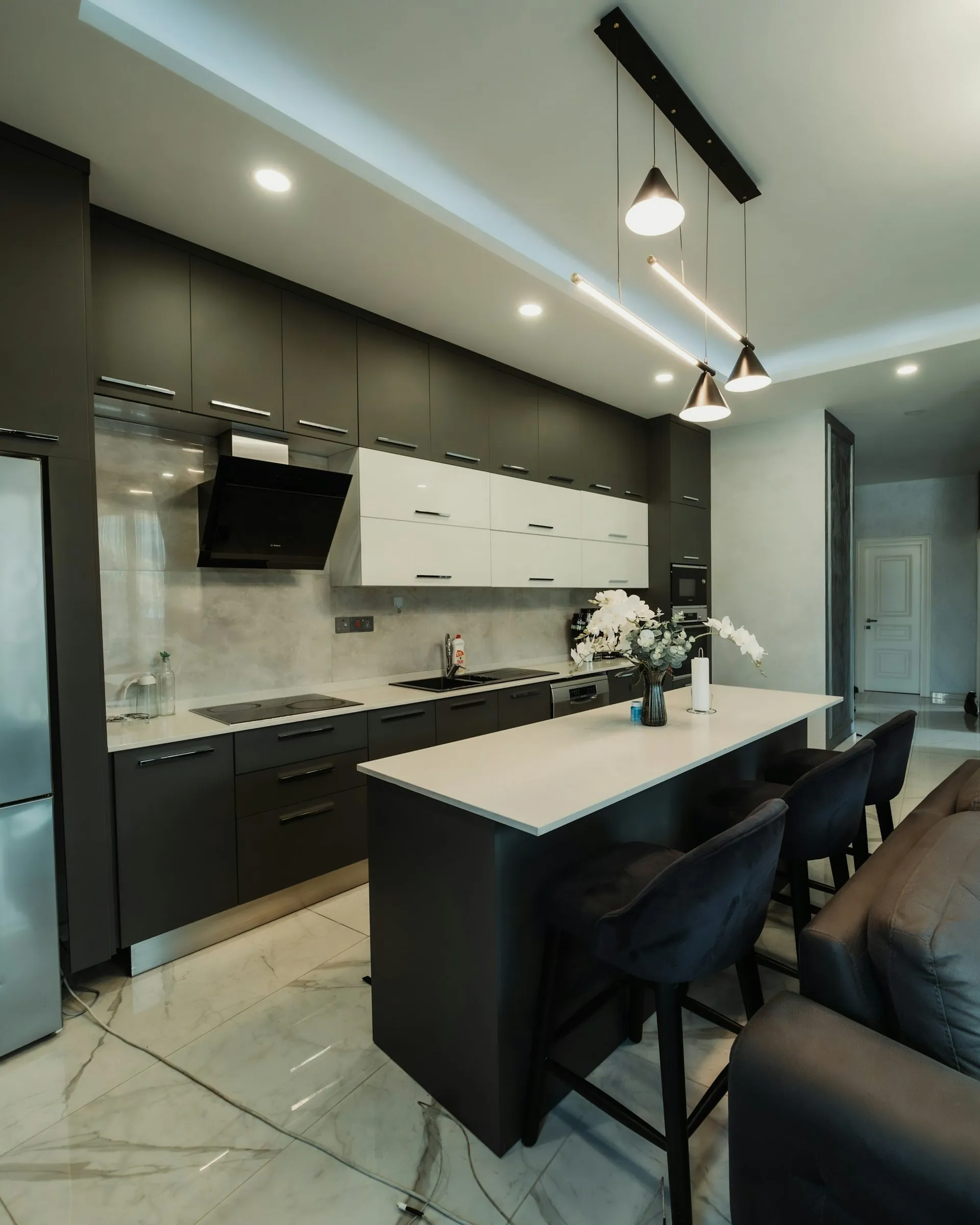
Long island, one delivery
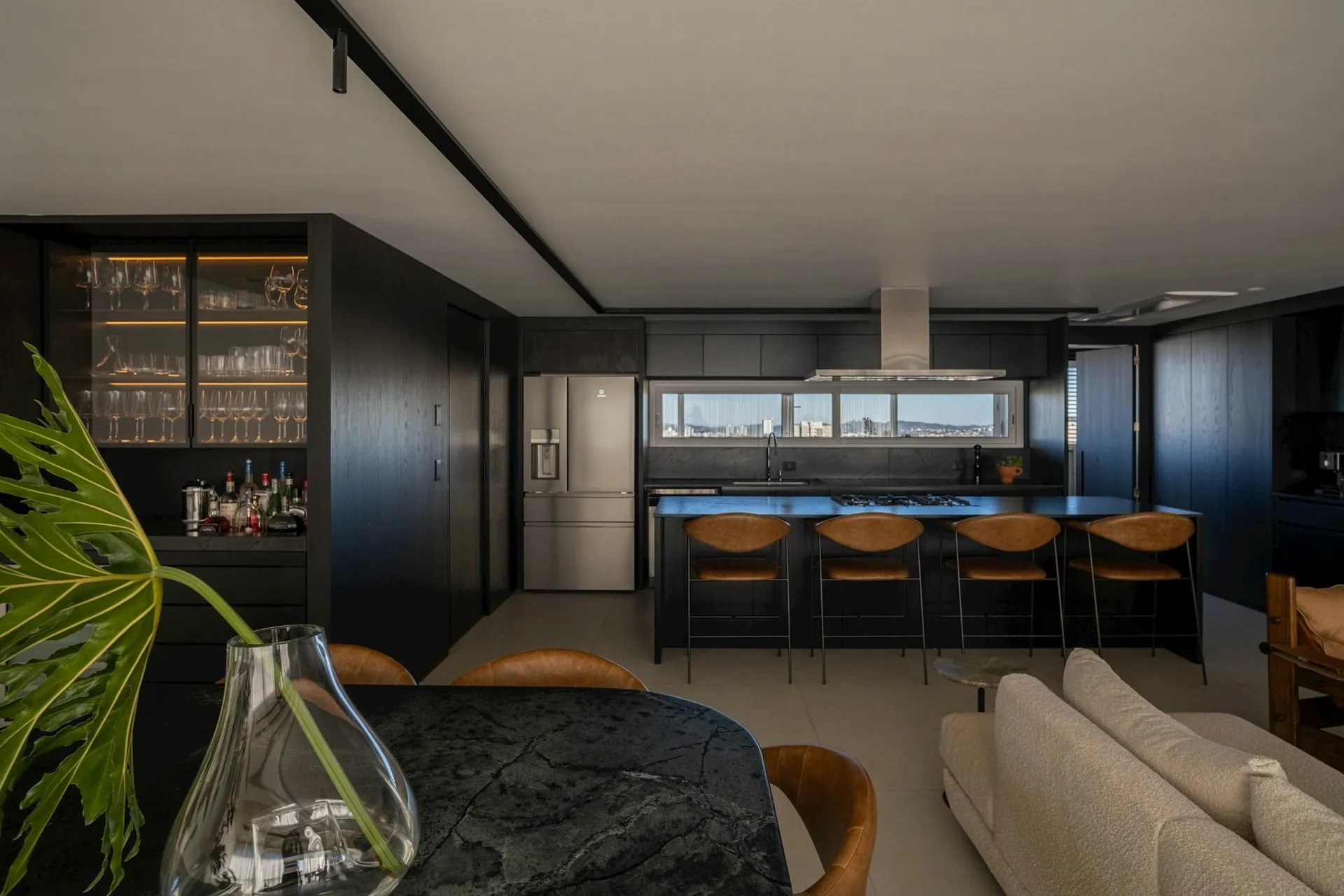
Navy cabinetry, open-plan island
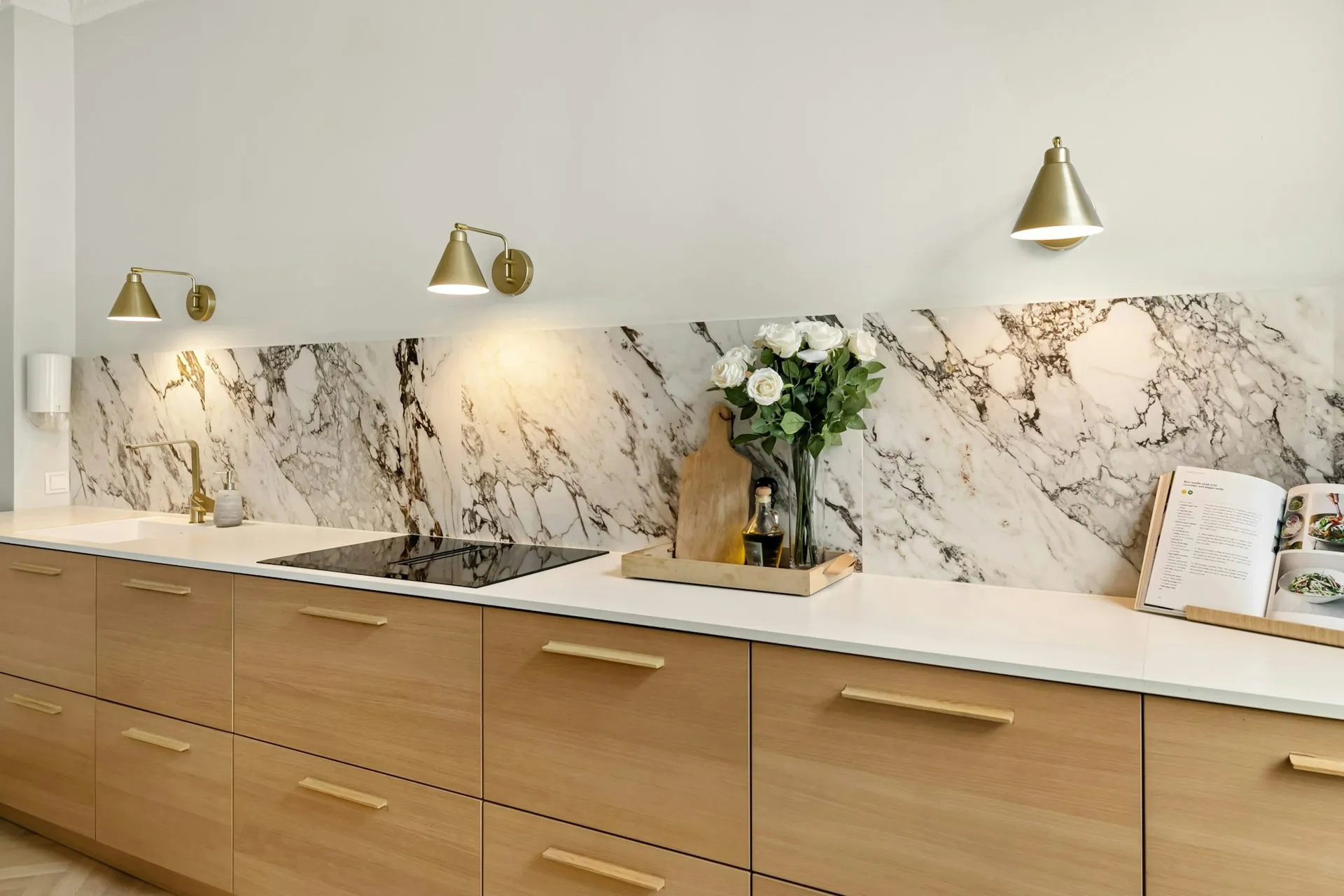
Oak run, doors hung and adjusted before delivery
Put it to use
Reading is one thing.
Your room is another.
Send us your dimensions and we will tell you what actually works in your space — and what it costs. Free, fixed, and yours to keep either way.