E0, E1,
and what the letters actually mean.
A specification detail almost nobody asks about, that says something real about indoor air quality.
The short answer
E0 and E1 are formaldehyde emission classifications for engineered wood panels such as particleboard and MDF, based on Australian and international standards — E0 permits a lower emission level than E1, which is itself well below older, now largely superseded higher-emission board. The rating is a genuine indoor air quality consideration, particularly relevant to anyone sensitive to indoor air quality or renovating a nursery, bedroom-adjacent space, or a very well-sealed modern home.
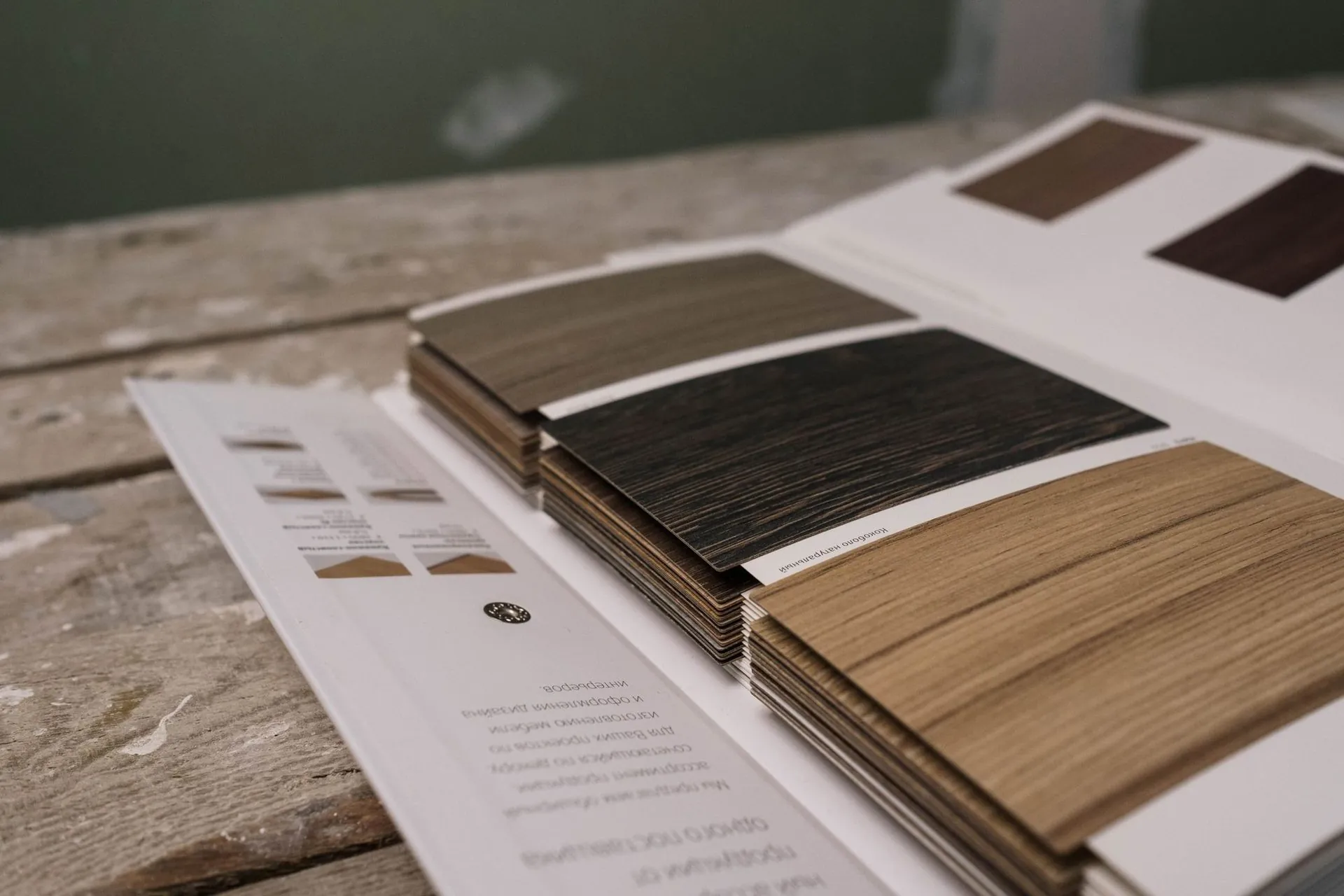
What the classification actually measures
Both ratings are based on standardised testing of formaldehyde emission from the panel under set conditions, with E0 requiring a lower measured emission than E1. Both are considered low-emission by current Australian standards; the distinction is a matter of degree rather than one being compliant and the other not.
Why it matters more in some builds than others
A very well-sealed, energy-efficient modern home has less natural air exchange than an older, more draughty one, which is why indoor air quality specifications like board emission rating are getting more attention in newer builds and renovations generally.
The question worth asking any supplier
Board emission rating is not something a finished kitchen visibly discloses — ask your supplier directly which rating their board carries, and ask for it in writing on the quote if it is a genuine priority for your household.
Sustainability, warranty & compliance
More in this series: Is flat pack furniture bad for the environment? · Blum hardware warranty explained · Kitchen cabinet warranty: what to check · Bushfire rebuild kitchen supply · Recyclable & low-waste kitchen cabinetry.
Frequently asked
Common questions
If your question is not here, call the studio. We would rather talk it through than have you guess.
Ask us directly →What is the difference between E0 and E1 board?
Both are low-formaldehyde-emission classifications for engineered wood panels; E0 permits a lower emission level than E1. Both meet current low-emission standards — the difference is one of degree.
Is E1 board unsafe?
No — E1 is a recognised low-emission standard used widely and considered safe under current Australian benchmarks. E0 is a further step down in emission level, which some households prioritise.
Why does board emission rating matter in a new home?
Well-sealed, energy-efficient modern homes have less natural air exchange than older, draughtier ones, which is part of why indoor air quality specifications are getting more attention generally.
How do I find out what board rating my kitchen supplier uses?
Ask directly, and request it in writing on your quote if it matters to you — the rating is not visible or disclosed automatically once a kitchen is finished.
Delivered assembled
The assembly is done
before it arrives.
Carcasses built square on a bench, Blum hardware fitted, doors hung and adjusted to even gaps. On site you are fixing finished cabinets to a wall, not building them on the floor. Our own team fits it in Central Queensland; your installer fits it anywhere else in Australia. Prefer to build it yourself? The same kitchen ships flat pack.
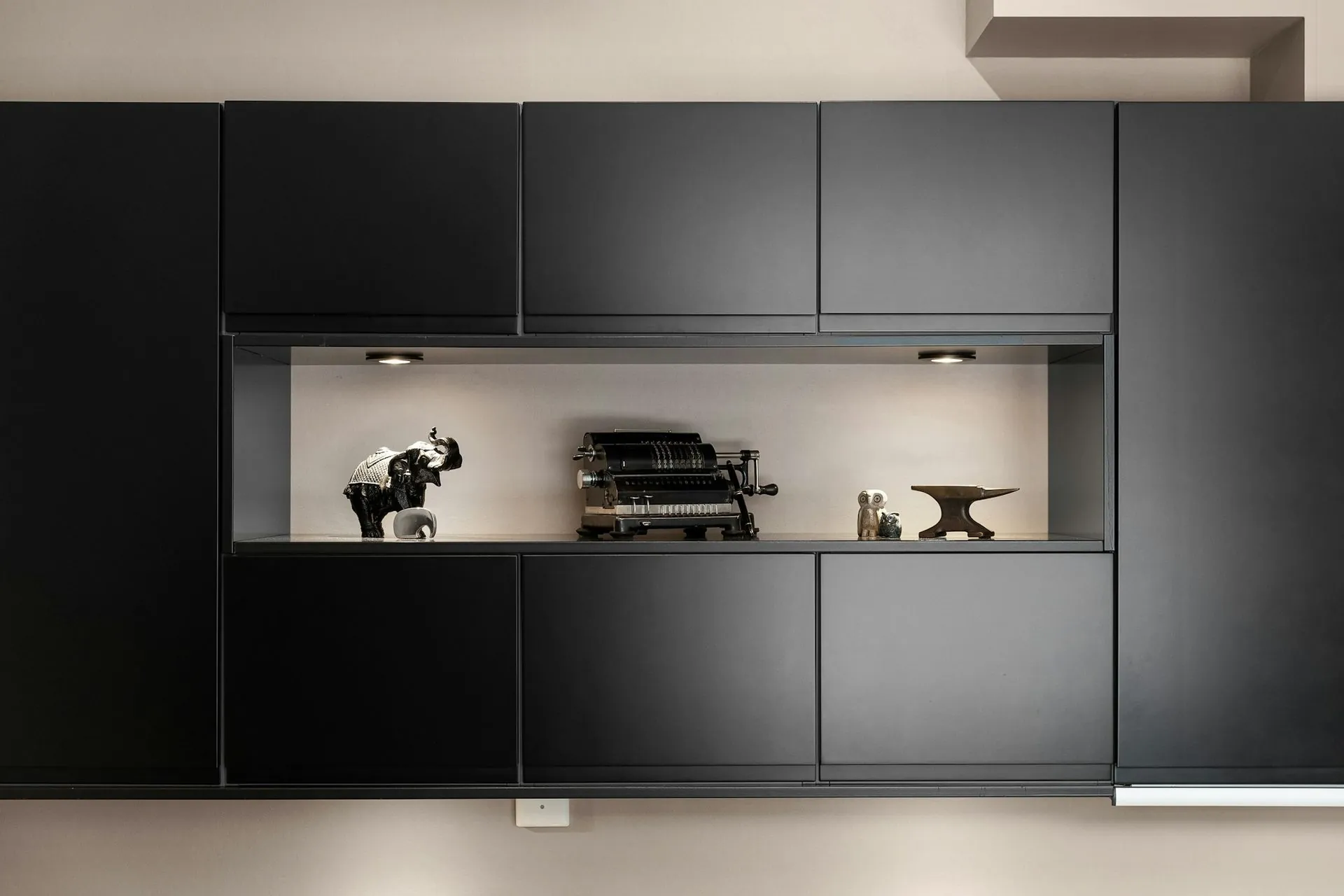
Tall units arrive as built boxes
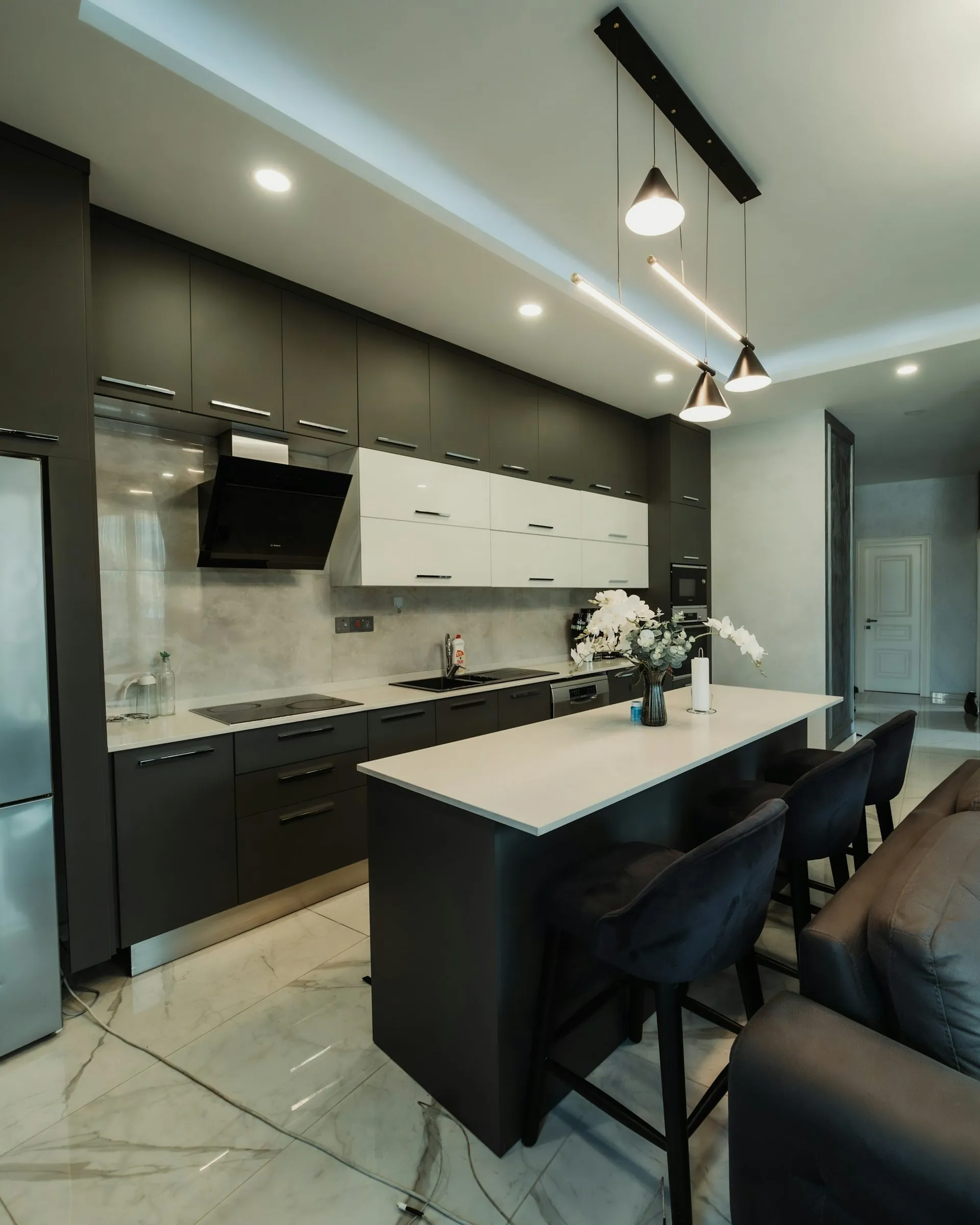
Long island, one delivery
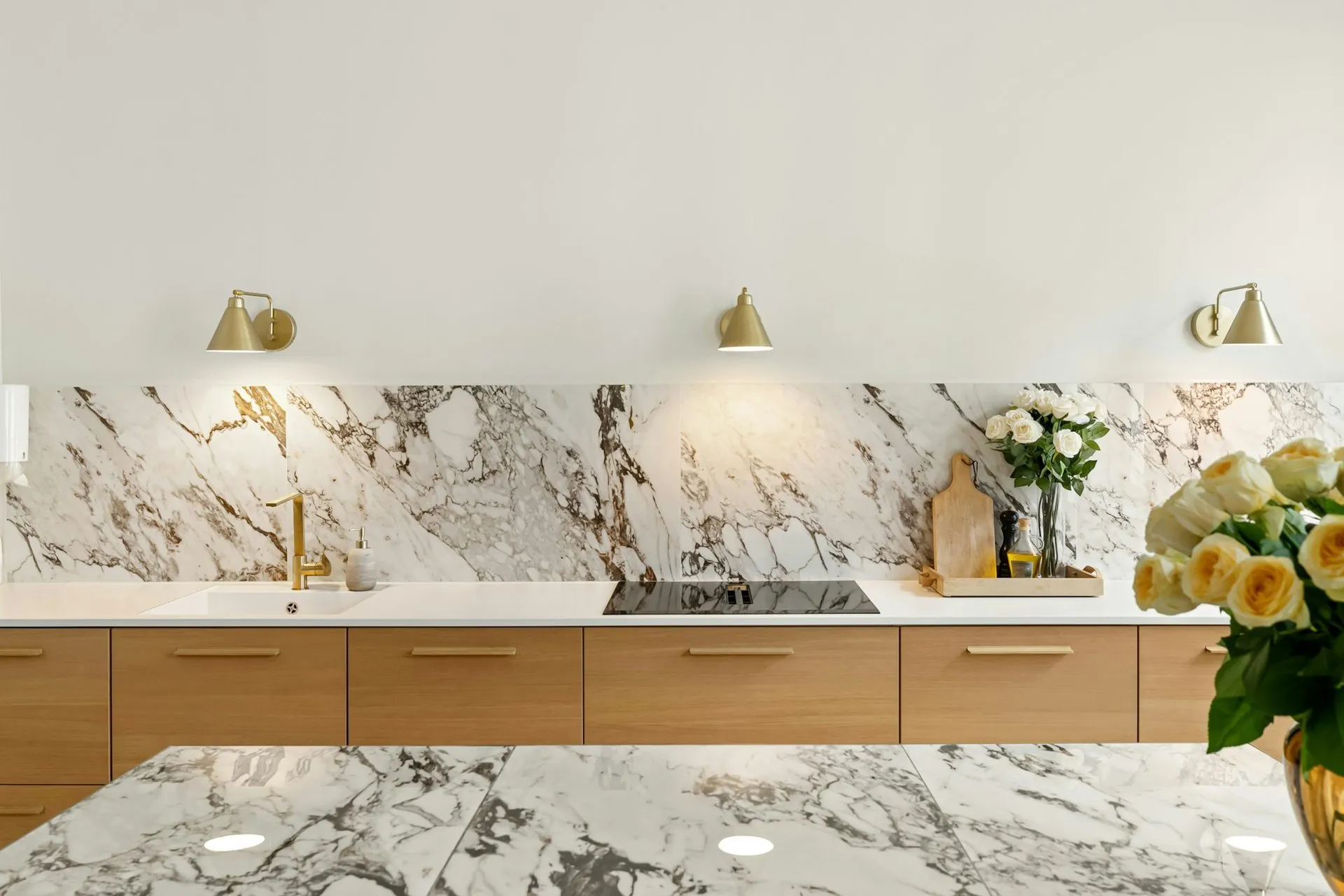
Handleless rail on an assembled run
Put it to use
Reading is one thing.
Your room is another.
Send us your dimensions and we will tell you what actually works in your space — and what it costs. Free, fixed, and yours to keep either way.