Is flat pack actually
worse for the environment?
Not inherently, and the honest answer has more nuance than either side of the debate usually gives it.
The short answer
Flat pack cabinetry itself is not inherently worse for the environment than assembled cabinetry — the material is the same board, hardware and finish either way. Where flat pack has a genuine environmental advantage is freight efficiency: a carton takes a fraction of the truck space an assembled carcass needs for the same kitchen, meaning fewer emissions per kitchen moved over distance. The bigger sustainability factors — board sourcing, formaldehyde emission rating, and how long the kitchen actually lasts — are the same questions regardless of whether it ships flat or assembled.
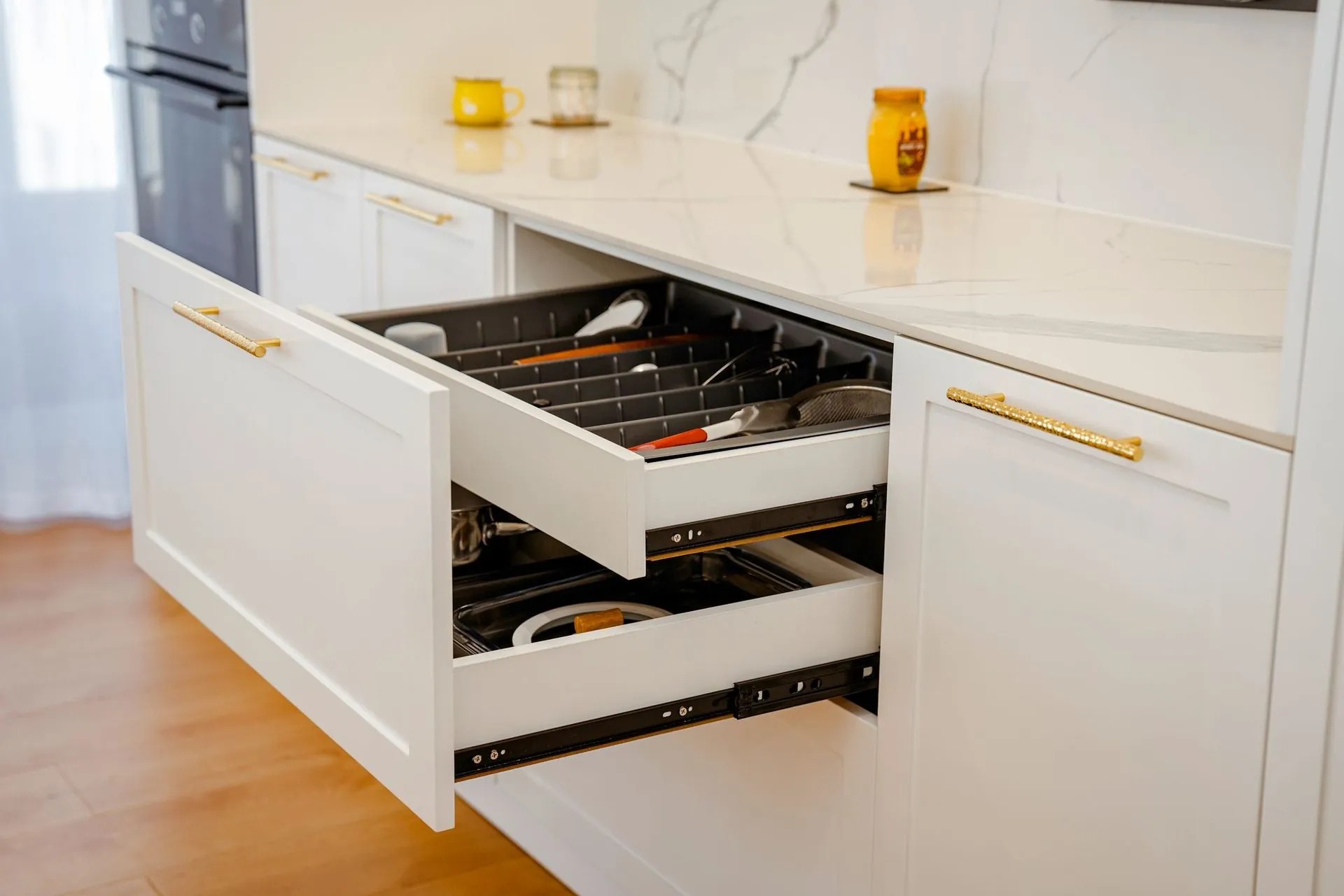
Where flat pack genuinely helps
Freight volume is the clearest environmental advantage — see shipping and freight — since moving cartons rather than bulky assembled carcasses reduces the number of truck movements needed to deliver the same amount of cabinetry.
What matters more than flat pack versus assembled
Board emission rating — see E0 vs E1 board explained — and simply how long the kitchen lasts before replacement are bigger environmental factors than packing method. A kitchen replaced every eight years due to a failed carcass has a worse footprint than a well-specified one lasting twenty, regardless of how either shipped.
Packaging waste, honestly
Flat pack cartons do generate more packaging material per kitchen than an assembled delivery, which is a genuine trade-off against the freight-volume saving — ask your supplier about packaging recyclability if this specifically concerns you.
Sustainability, warranty & compliance
More in this series: E0 vs E1 board explained · Blum hardware warranty explained · Kitchen cabinet warranty: what to check · Bushfire rebuild kitchen supply · Recyclable & low-waste kitchen cabinetry.
Frequently asked
Common questions
If your question is not here, call the studio. We would rather talk it through than have you guess.
Ask us directly →Is flat pack cabinetry worse for the environment than assembled?
Not inherently — the material is identical either way. Flat pack has a freight efficiency advantage; it generates somewhat more packaging waste per kitchen, which is the genuine trade-off.
Does flat pack furniture last as long as assembled furniture?
Yes, provided the specification — board grade, edging and hardware — is the same, which it is with our collections. Longevity depends on the materials and assembly quality, not on whether it arrived flat or assembled.
What is the biggest environmental factor in kitchen cabinetry?
How long it lasts before replacement, and the emission rating of the board used, generally matter more than the flat pack versus assembled decision.
Is flat pack packaging recyclable?
It varies by supplier and material — ask directly if this is a priority, since cardboard and protective wrapping recyclability differs.
Delivered assembled
The assembly is done
before it arrives.
Carcasses built square on a bench, Blum hardware fitted, doors hung and adjusted to even gaps. On site you are fixing finished cabinets to a wall, not building them on the floor. Our own team fits it in Central Queensland; your installer fits it anywhere else in Australia. Prefer to build it yourself? The same kitchen ships flat pack.
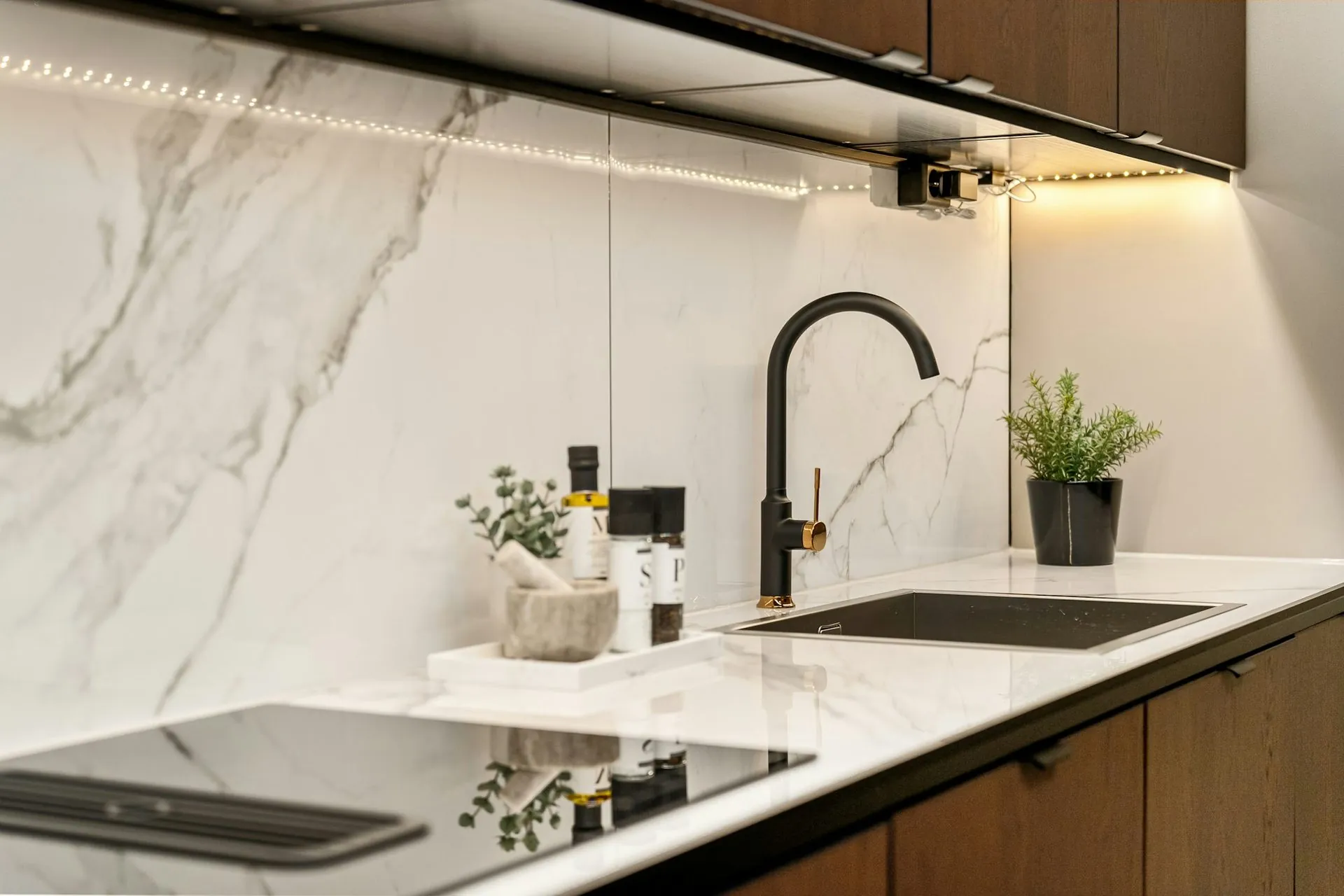
Full-height stone splashback
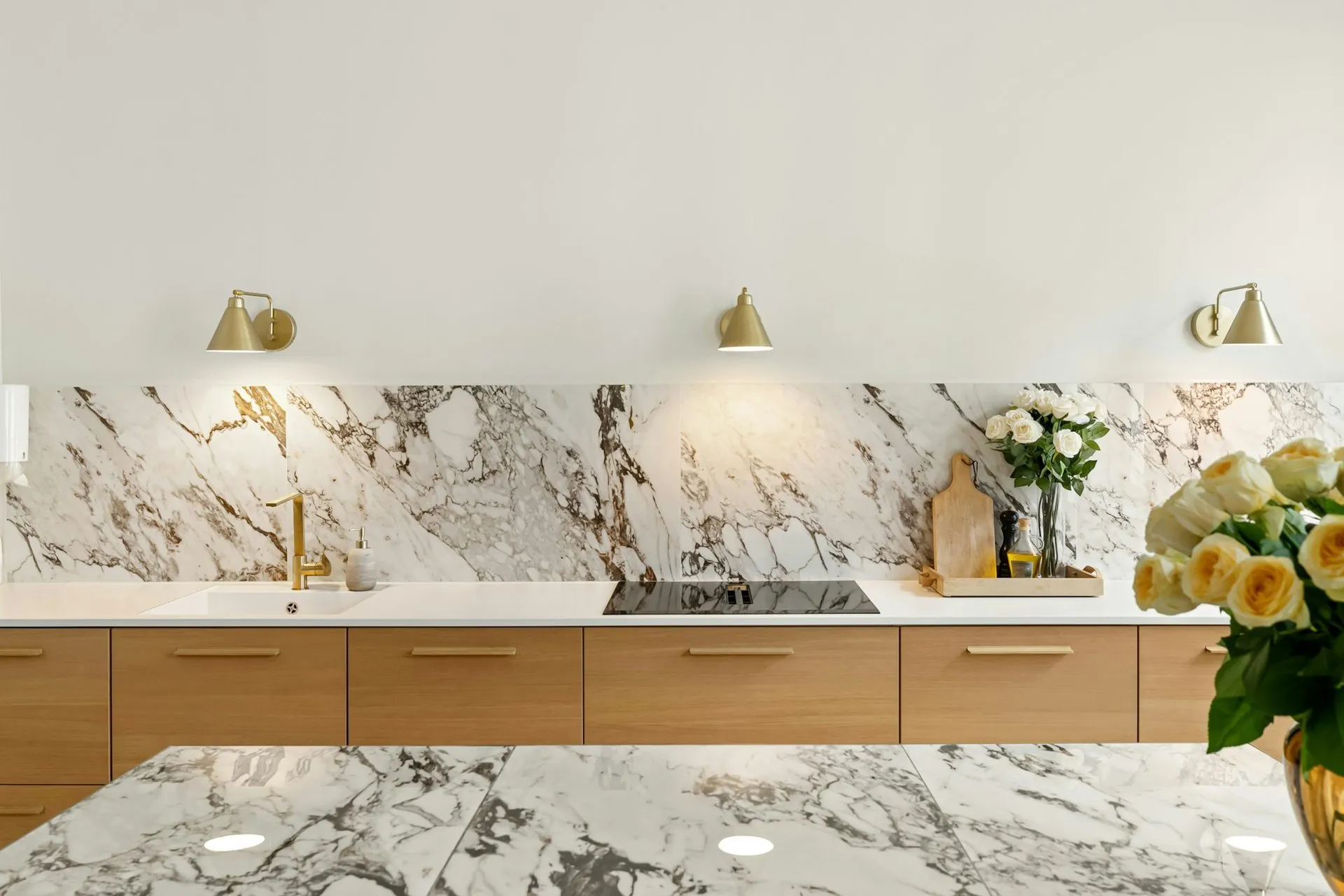
Handleless rail on an assembled run
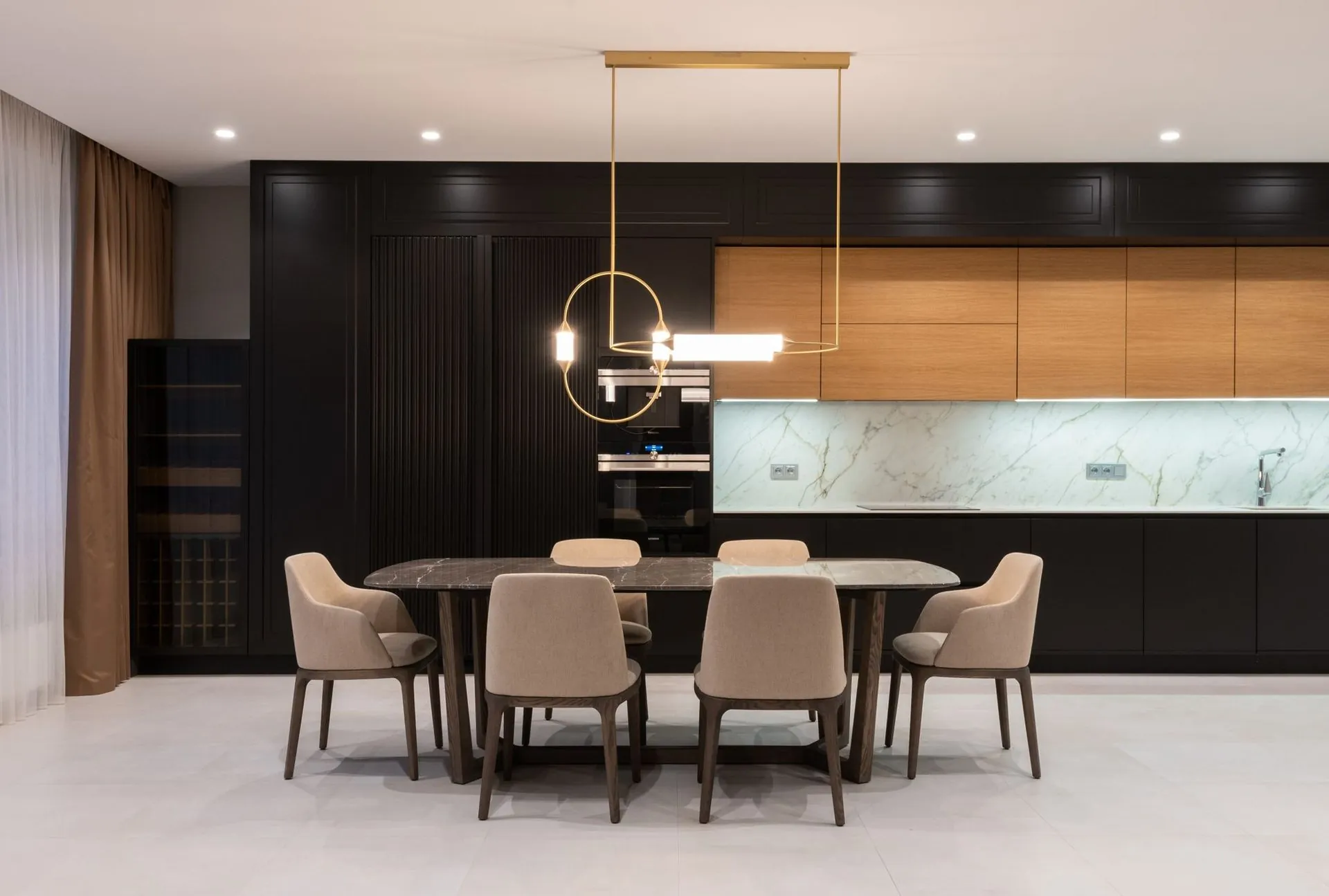
Kitchen into dining, one palette
Put it to use
Reading is one thing.
Your room is another.
Send us your dimensions and we will tell you what actually works in your space — and what it costs. Free, fixed, and yours to keep either way.