Does a new kitchen
actually add value?
Usually, but not the way the percentages you have read suggest. What a kitchen reliably changes is whether the house sells at all, and how fast.
The short answer
There is no reliable single percentage, and we will not invent one. What a kitchen consistently changes is how many buyers can picture living there and how long the house sits on the market. Spend to the ceiling of the house and the street, not to the level of the photographs you have saved.
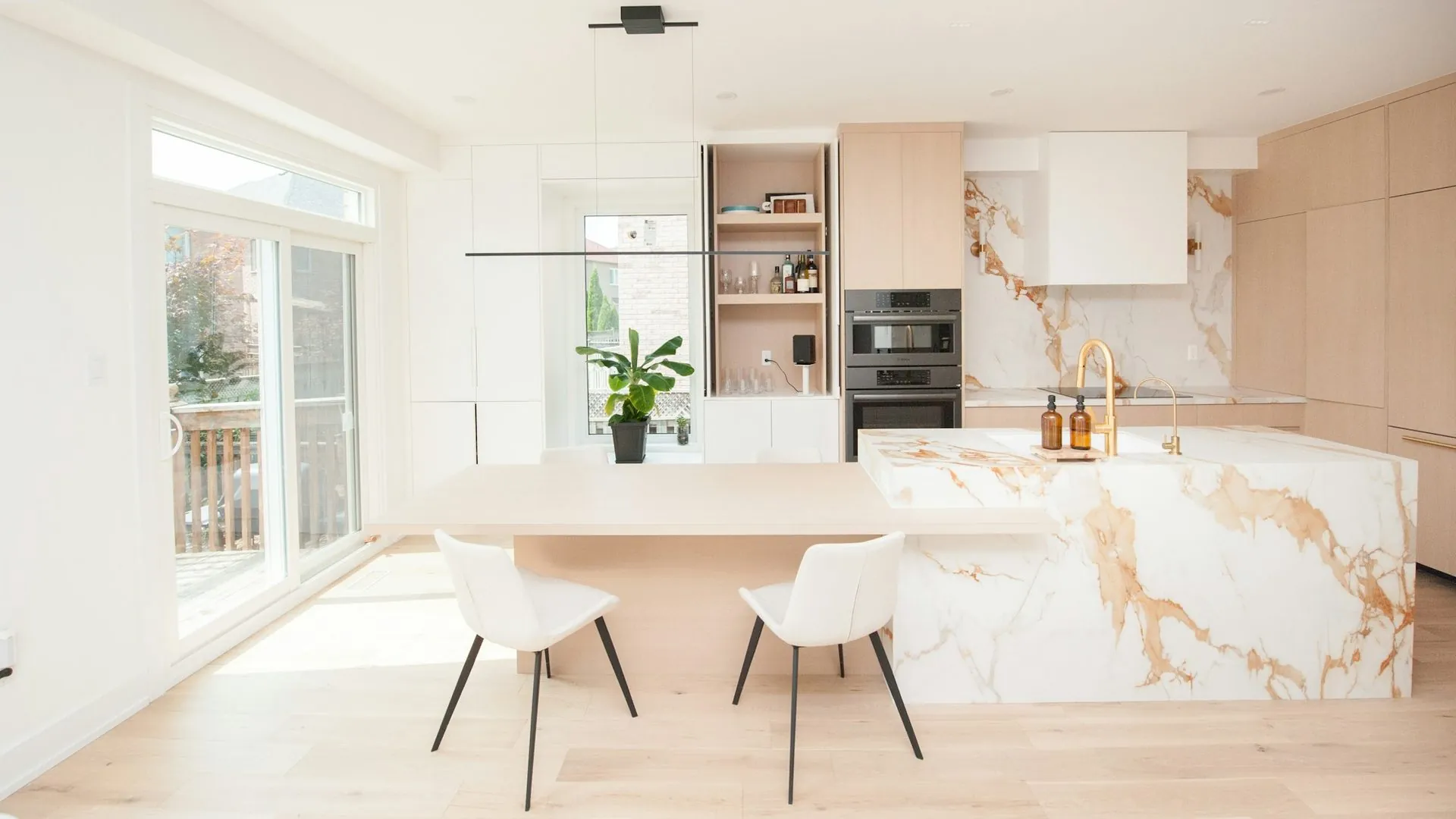
Be sceptical of the percentages
You will find articles claiming a kitchen returns a specific percentage of its cost at sale. Treat all of them carefully. Those figures come from different markets, different years and different price brackets, and almost none of them isolate the kitchen from everything else that was done to the house. Nobody renovates only the kitchen and then sells the next week, which is what you would need to actually measure it. Anyone quoting you a precise return figure for Rockhampton in 2026 is guessing, and so would we be.
What a kitchen reliably does
Two things, and they are worth more than a percentage. It changes how many people inspect and how many of them can imagine living there — a dated kitchen is the room that makes a buyer mentally start subtracting a renovation budget. And it changes time on market. A house that sells in three weeks instead of three months has saved you carrying costs, price reductions and a lot of stress. That is real money even when it does not show up as a higher headline price.
The ceiling nobody mentions
A house has a value ceiling set by its street, its land and its size, and no kitchen breaks through it. Putting a $50,000 kitchen into a house at the top of a modest street generally does not return $50,000, because the buyer at that price point is not there. The reverse is also true: a cheap kitchen in a house that warrants better will actively cost you at sale. Spend to the level of the house and the street, not to the level of the photographs you have saved.
Selling versus staying
These are different jobs and they deserve different money. If you are selling within a year, the brief is broad appeal and no obvious faults — neutral finishes, everything working, nothing that reads as a job the buyer inherits. If you are staying five years or more, build the kitchen you want, because you are buying five years of using it, not a resale line item. The most expensive mistake is a compromise between the two, which serves neither.
Where the money goes furthest at sale
Layout beats finishes. A kitchen that works — where the bin, dishwasher and prep zone are in the right relationship — reads as considered even in modest materials, and no benchtop rescues a bad layout. After layout: light, storage that visibly closes the clutter away, and a benchtop that photographs well, since most buyers meet your kitchen as a photograph first. The layouts guide covers the shapes; the benchtop guide covers the materials.
Rentals are a different calculation again
For an investment property the question is not resale value but tenancy: how fast it lets, at what rent, and how long the fittings survive tenants. That is a durability and hardware conversation more than a finishes one. See short-stay kitchens for short-stay, or granny flat kitchens for secondary dwellings.
Last checked: September 2026. This is general information, not building, legal, financial or insurance advice. Rules, funding and figures differ by council, insurer and individual circumstance and change without notice — confirm with the authority linked above before you commit to anything.
Frequently asked
Common questions
If your question is not here, call the studio. We would rather talk it through than have you guess.
Ask us directly →How much value does a new kitchen add to a house?
There is no reliable single figure, and we will not invent one. It depends on the market, the suburb, the value ceiling of the house and what the kitchen replaced. What is more consistently observed is the effect on buyer interest and time on market. For a figure specific to your property, ask two local agents — they see the comparable sales.
Is it worth renovating the kitchen before selling?
Often, if the existing kitchen is dated enough that buyers will price in replacing it. The brief is different from renovating for yourself: neutral, functional, nothing a buyer reads as unfinished. Spend to the level of the street rather than to the level of your own taste.
How much should I spend if I am selling?
Less than you would if you were staying, and never past the value ceiling of the house and street. A local agent will tell you what the ceiling is in your area, which is the number that should set the budget.
Does a kitchen help a rental property?
It affects letting speed and how well the property survives tenants more than it affects the rent achievable. That makes it a hardware and durability decision rather than a finishes one — spend on runners, hinges and carcass board, keep the finishes simple.
Delivered assembled
The assembly is done
before it arrives.
Carcasses built square on a bench, Blum hardware fitted, doors hung and adjusted to even gaps. On site you are fixing finished cabinets to a wall, not building them on the floor. Our own team fits it in Central Queensland; your installer fits it anywhere else in Australia. Prefer to build it yourself? The same kitchen ships flat pack.
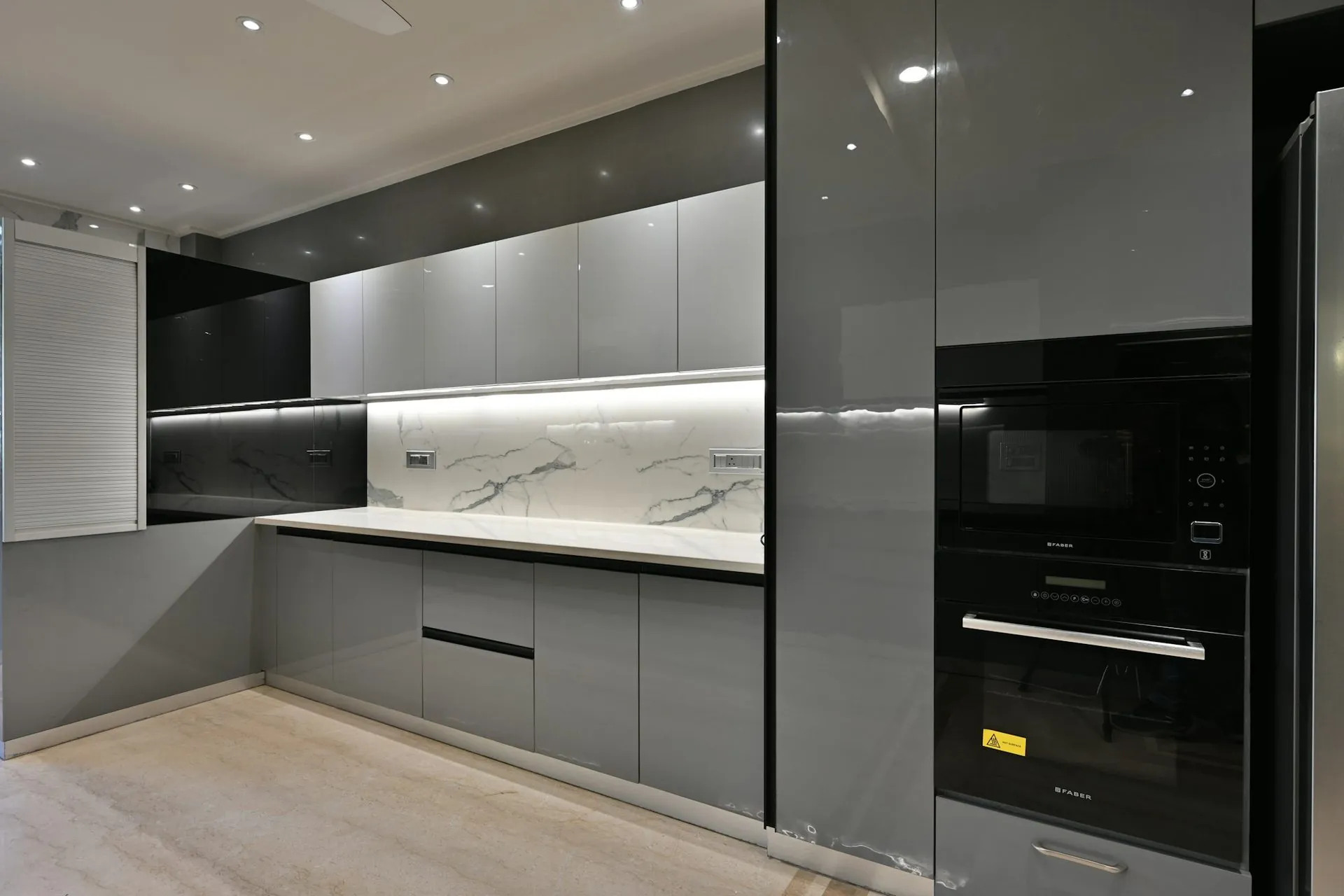
Gloss doors, adjusted to even gaps before delivery
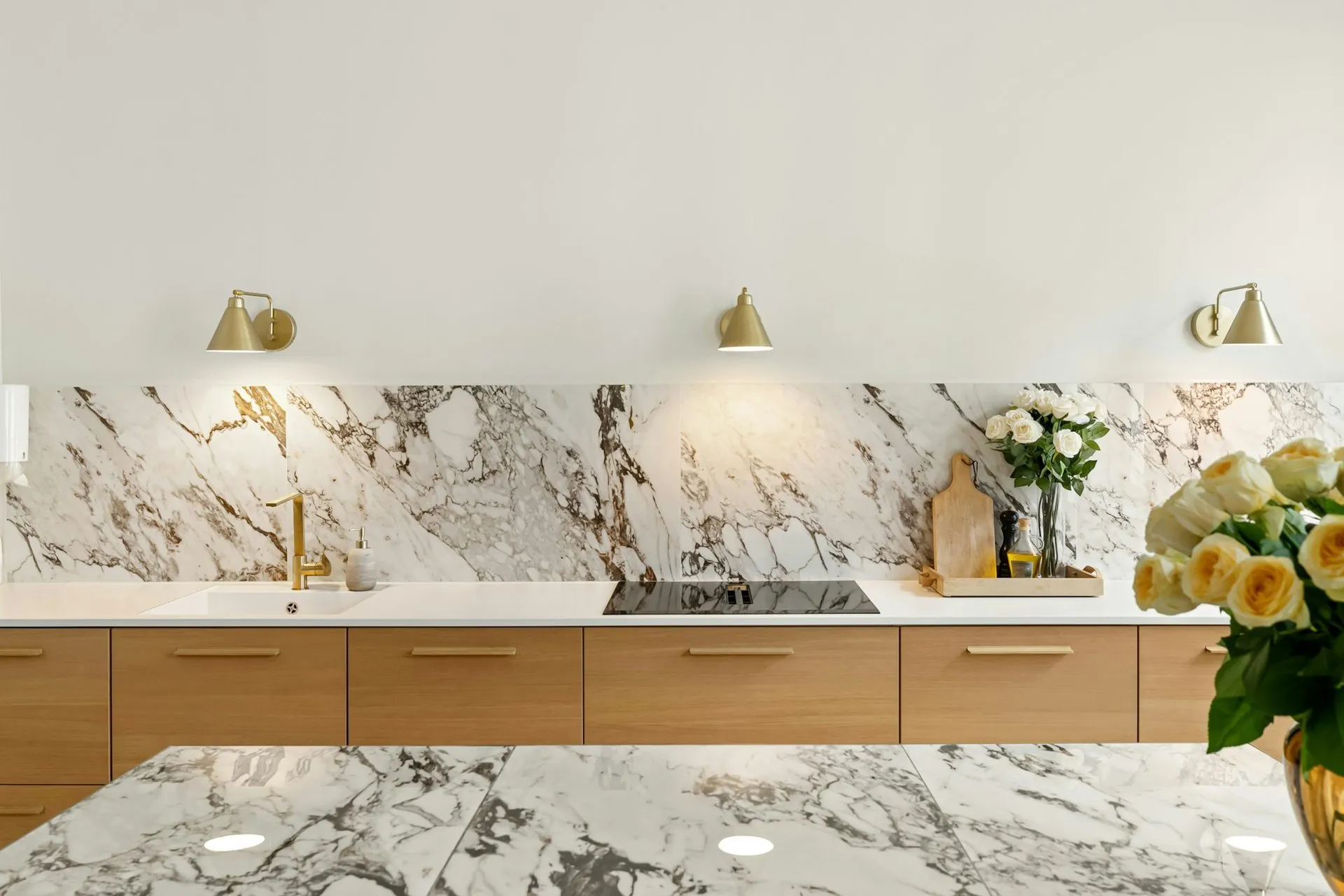
Handleless rail on an assembled run
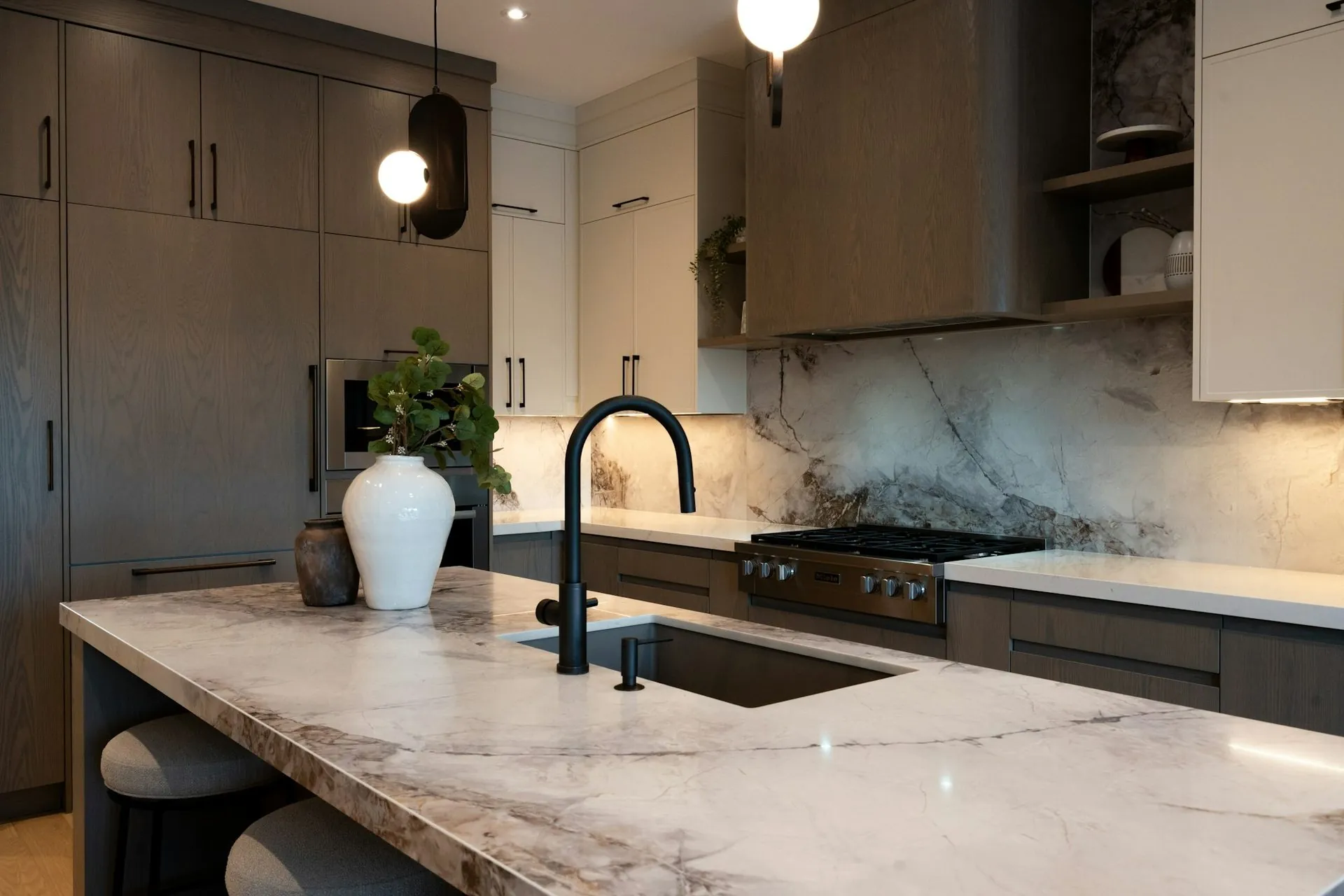
Mitred stone edge over assembled carcasses
Selling or staying
Two different briefs.
Tell us which one you are on.
Selling inside a year means broad appeal and nothing a buyer reads as unfinished. Staying five years means building what you actually want. Tell us which, and the quote will reflect it.