The four SDA categories,
and what each does to the kitchen.
The category is set before you brief a cabinetmaker, and it changes the drawings rather than just the price. Getting it into the brief early costs nothing.
The short answer
There are four: Improved Liveability, Fully Accessible, Robust and High Physical Support. They are not tiers of the same thing — they address different needs. For kitchen joinery, Fully Accessible and High Physical Support drive clearance and reach, while Robust drives construction and fixings. Tell your cabinetmaker the category at briefing, not at inspection.
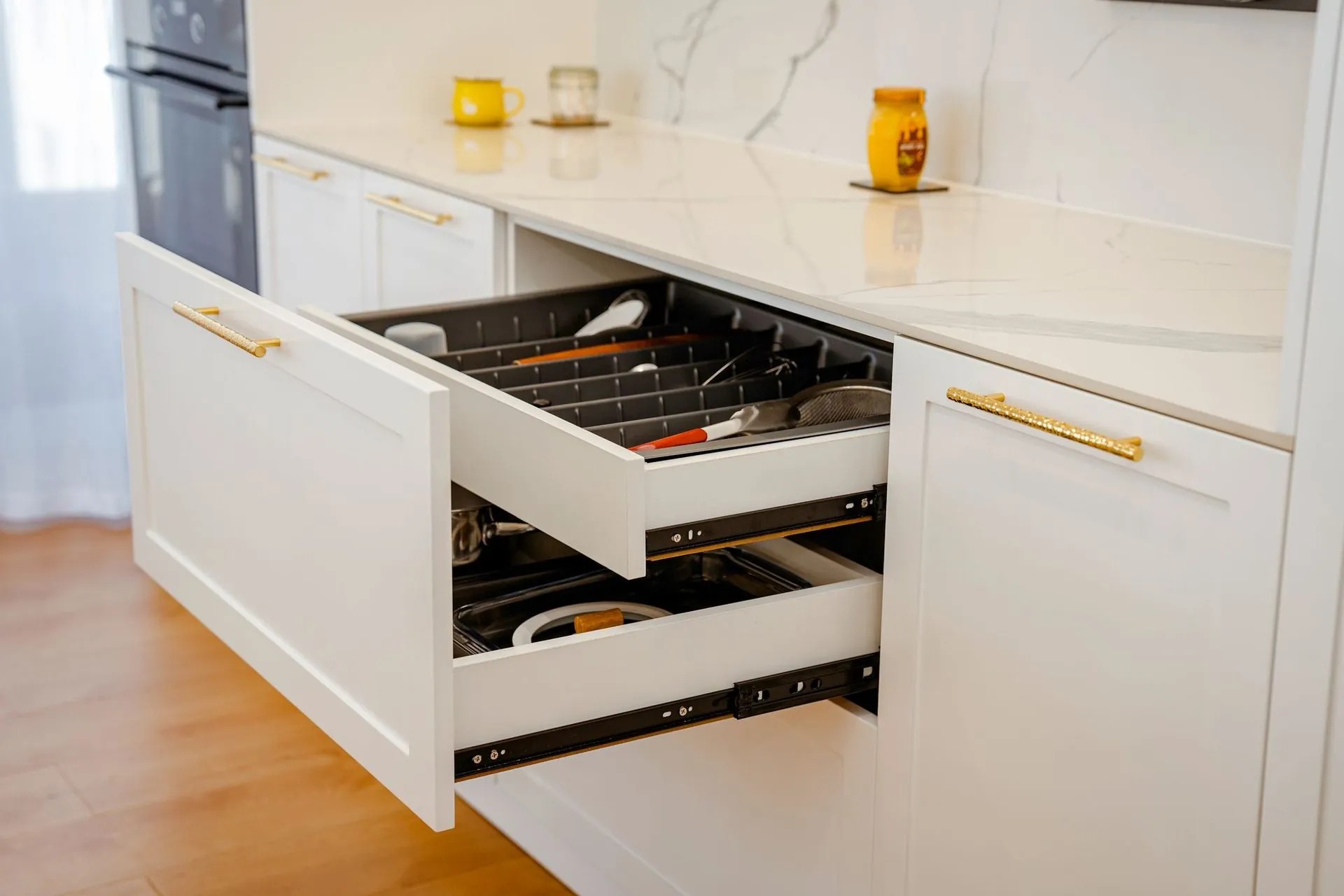
They are categories, not grades
The most common misunderstanding is treating the four as a ladder from basic to premium. They are not. Each addresses a different set of needs, and a dwelling is built to one of them because that is what the participant requires — not because it is better. Briefing a cabinetmaker with "it is SDA" and nothing else is the fastest way to get joinery that has to be redone.
Improved Liveability
Broadly aimed at people with sensory, intellectual or cognitive impairment. The emphasis tends to fall on ease of use, way-finding and reducing confusion rather than on wheelchair clearance. For joinery that often means legible, consistent layouts, good contrast between surfaces and edges, and hardware that behaves predictably. Less about dimensions, more about clarity.
Fully Accessible
Aimed at people with significant physical impairment, and this is where clearance and reach dominate the kitchen. Knee space at the sink and at a section of bench, approach and turning space, reachable storage, and controls that do not require reaching across a hot surface. These are dimensional requirements and they have to be in the drawings from the start; they cannot be added to a standard kitchen afterwards.
Robust
The one that changes construction rather than layout. Robust housing is designed for participants whose behaviour may result in significant impact on the building, so joinery has to withstand deliberate force rather than daily wear. That reaches into carcass construction, fixings, hardware selection and how doors and drawers are hung. It is a materially different build and it needs to be priced as one.
High Physical Support
For participants requiring very high support, often including assistive technology and hoists. The kitchen implications overlap with Fully Accessible on clearance but the surrounding requirements are broader, and the specification typically comes from the design and the assessor rather than from a cabinetmaker’s standard range.
What we need in the brief
The category, the assessor’s specific requirements in writing, and any occupational therapist input on the individual. With those we can quote joinery accurately and build to it. Without them, any quote is a guess that will move — and in our experience the projects that go badly are the ones where the category surfaced halfway through. See our SDA kitchens page for what we supply and where we install.
Multi-dwelling builds
If you are building several dwellings to the same category, tell us. We hold the specification so the second and third are a confirmation rather than a fresh drawing, and pricing reflects the repetition. That is how we already work with granny flat and tiny home builders — see trade supply.
Last checked: September 2026. General guidance for builders, not a substitute for the SDA Design Standard or your SDA assessor. Requirements are set by the standard and interpreted by the assessor on your project — confirm with them before you brief joinery.
Frequently asked
Common questions
If your question is not here, call the studio. We would rather talk it through than have you guess.
Ask us directly →What are the four SDA design categories?
Improved Liveability, Fully Accessible, Robust and High Physical Support. They address different needs rather than forming a hierarchy. Refer to the SDA Design Standard and your assessor for the requirements that apply to your project.
Which category changes the kitchen most?
Fully Accessible and High Physical Support drive clearance, reach and approach. Robust changes construction and fixings, because the joinery has to take deliberate impact rather than ordinary wear. All three affect the drawings, not just the price.
Can you build to Robust category?
Yes, given the assessor requirements in writing. Robust is a materially different build and needs to be specified and priced as one rather than treated as a standard kitchen with tougher hardware.
Do you certify the dwelling?
No. We supply and install joinery to the specification provided. Certification is the SDA assessor’s role and we build to what they require.
Do you supply SDA builds outside Central Queensland?
Yes, as supply — delivered assembled with full service drawings for your own installer. We install within about 150 kilometres of Rockhampton.
Delivered assembled
The assembly is done
before it arrives.
Carcasses built square on a bench, Blum hardware fitted, doors hung and adjusted to even gaps. On site you are fixing finished cabinets to a wall, not building them on the floor. Our own team fits it in Central Queensland; your installer fits it anywhere else in Australia. Prefer to build it yourself? The same kitchen ships flat pack.
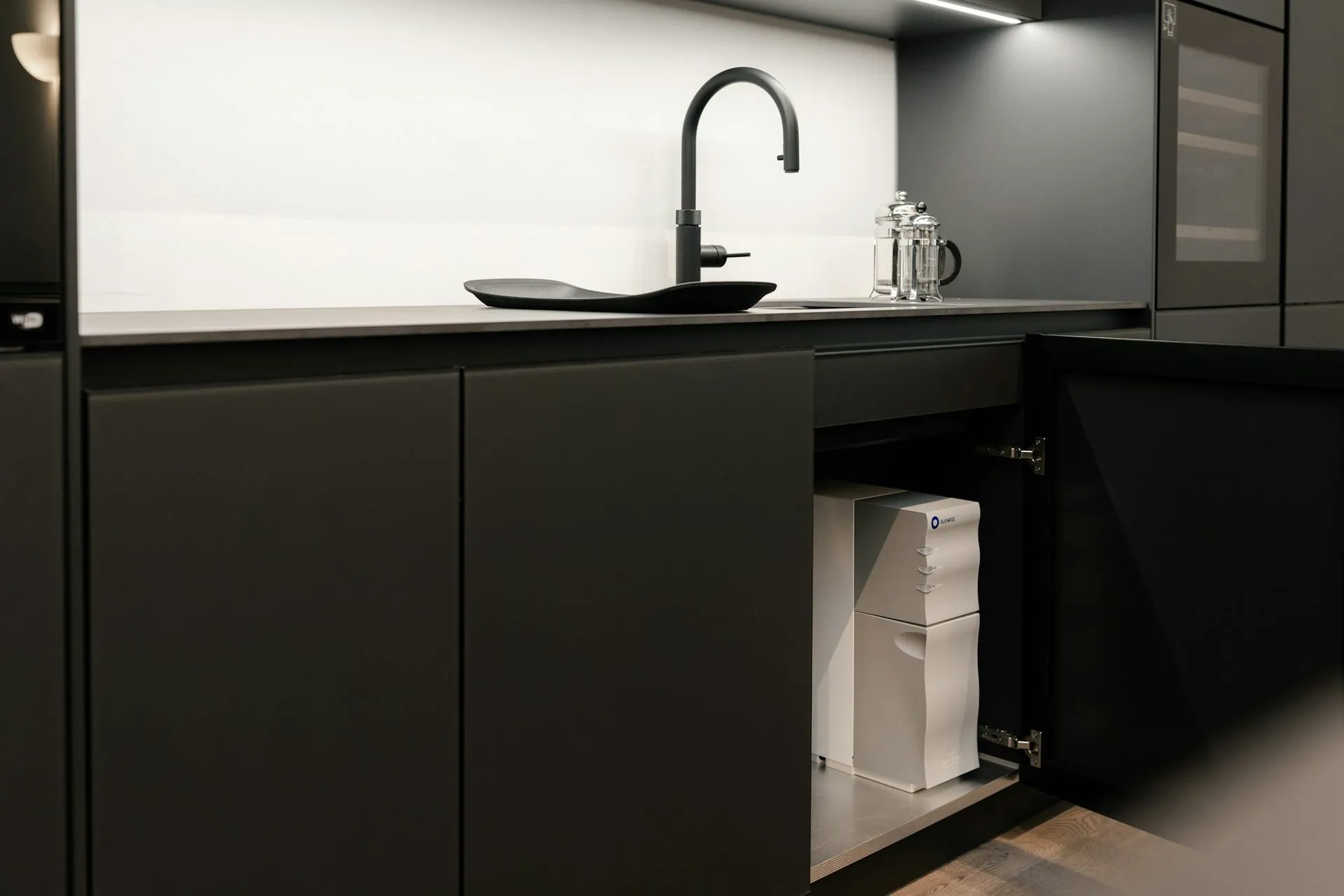
Kitchenette, delivered assembled
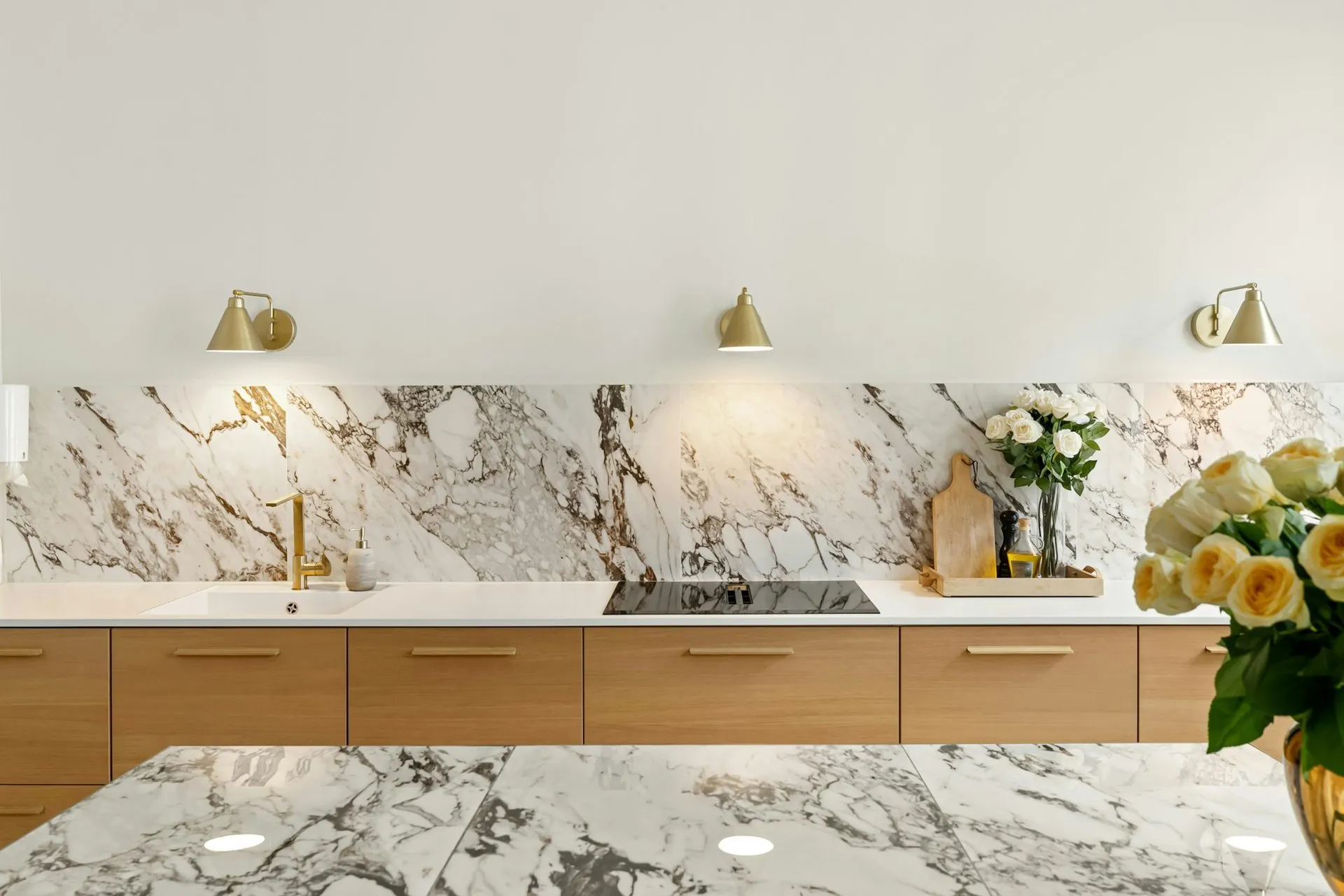
Handleless rail on an assembled run
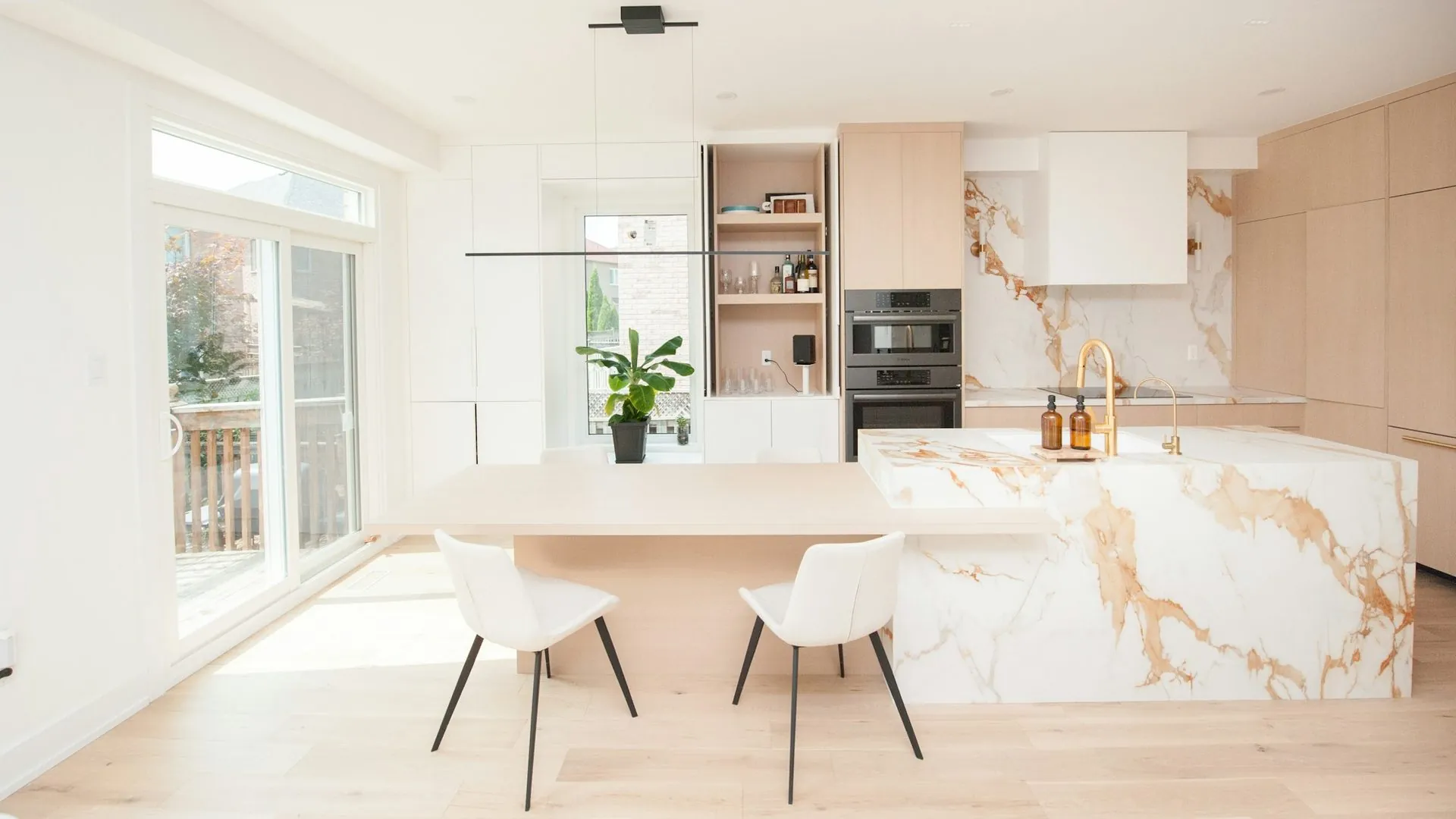
New build, kitchen fitted at fit-off
SDA builders
Tell us the category
at the first conversation.
It changes the drawings, not just the price. Brief us early and it costs nothing; discover it at inspection and it costs a rebuild.